Why Ultrafiltration Plants Are Essential for Sustainable Water Management


Understanding Ultrafiltration
Ultrafiltration is a membrane filtration process that removes particles and solutes of high molecular weight from water. This technology is gaining traction as a critical component of sustainable water management due to its efficiency and effectiveness in purifying water. By using a semi-permeable membrane, ultrafiltration can remove bacteria, viruses, and suspended solids, resulting in cleaner water.
As water scarcity becomes a more pressing global issue, it is essential to adopt methods that ensure the availability of safe drinking water. Ultrafiltration plants play a vital role in addressing these challenges by providing a reliable and sustainable solution.
Benefits of Ultrafiltration Plants
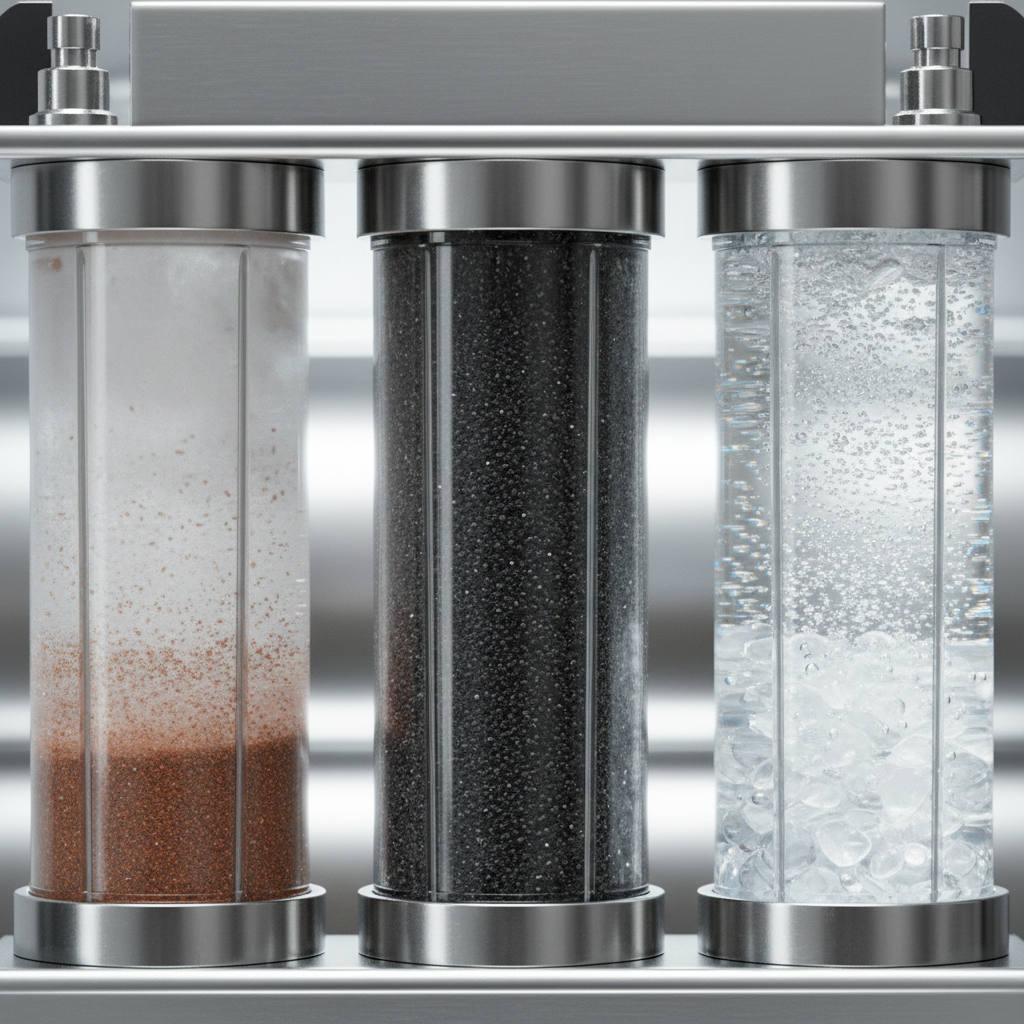
Ultrafiltration offers several advantages over traditional water treatment methods. Here are some key benefits:
- High Efficiency: Ultrafiltration can remove up to 99.99% of contaminants, providing superior water quality.
- Energy Efficiency: The process operates at lower pressures compared to reverse osmosis, which translates to reduced energy consumption.
- Compact Design: Ultrafiltration systems are generally smaller, making them ideal for both large-scale and decentralized applications.
Environmental Impact
One of the most important aspects of ultrafiltration plants is their positive environmental impact. By reducing the need for chemical treatments and lowering energy consumption, these plants contribute to a more sustainable approach to water management. Additionally, the longevity of ultrafiltration membranes reduces waste and the need for frequent replacements.
Applications of Ultrafiltration
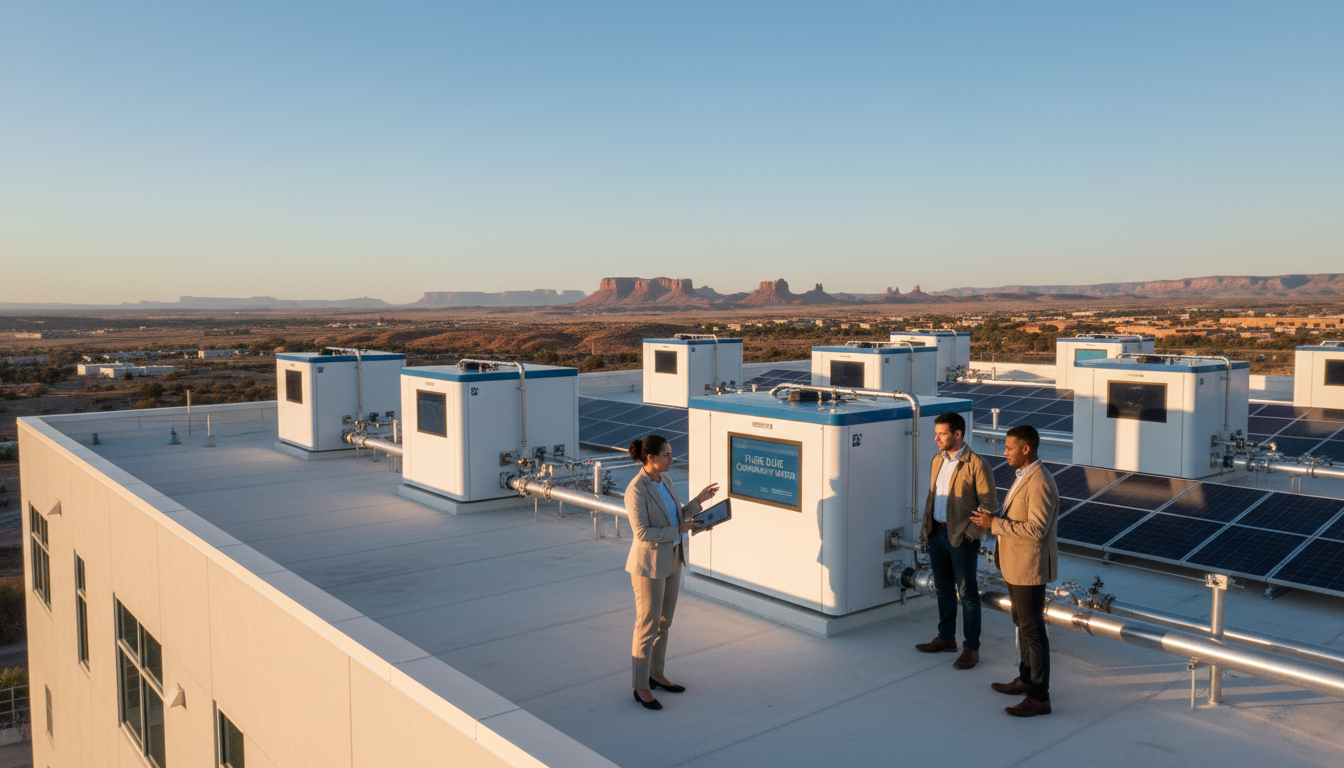
Ultrafiltration plants are versatile and can be used in various applications, including:
- Municipal Water Treatment: Ensures safe drinking water for communities.
- Industrial Water Treatment: Removes impurities from industrial wastewater, allowing for reuse or safe disposal.
- Agricultural Irrigation: Provides clean water for irrigation, improving crop yield and quality.
Challenges and Considerations
While ultrafiltration offers numerous benefits, there are challenges to consider. The initial investment can be significant, and proper maintenance is crucial to ensure long-term efficiency. Additionally, the quality of the input water can affect membrane lifespan and performance.
The Future of Water Management
As technology advances, ultrafiltration plants are expected to become even more efficient and cost-effective. Innovations in membrane technology and automated systems will likely enhance their capabilities, making them an integral part of sustainable water management strategies worldwide.
Investing in ultrafiltration technology not only addresses current water challenges but also secures water resources for future generations. As more communities and industries adopt these systems, we move closer to a sustainable and resilient water future.