Understanding PLC-Based Systems in Sewage Treatment Plants


Introduction to PLC-Based Systems
Programmable Logic Controllers (PLCs) play a crucial role in automating industrial processes, including sewage treatment plants. These robust systems help ensure that treatment processes run efficiently and safely. Understanding the function and benefits of PLCs in this context is essential for maintaining optimal operations.
PLCs are designed to withstand harsh environments, making them ideal for sewage treatment facilities. They automate complex processes, reducing the need for continuous human intervention. This automation not only increases efficiency but also enhances the precision of operations.
The Role of PLCs in Sewage Treatment
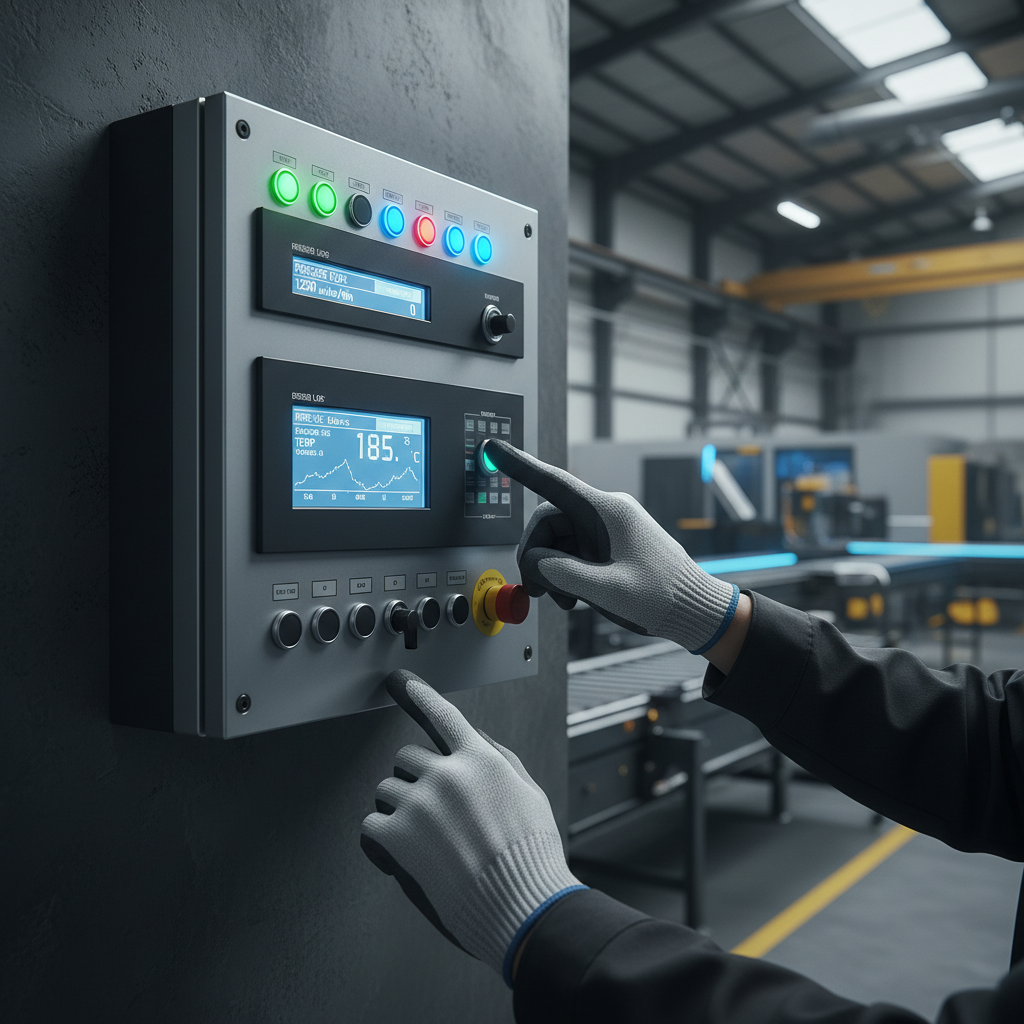
In sewage treatment plants, PLCs manage and control various processes such as the activation of pumps, monitoring of water levels, and regulation of chemical dosing. These tasks are critical for ensuring that wastewater is treated effectively before being released or recycled.
PLCs work by receiving input from sensors and other devices, processing this data, and then executing programmed instructions. This allows for real-time monitoring and adjustment, ensuring that the treatment processes remain within set parameters.
Advantages of Using PLCs
There are several advantages to using PLCs in sewage treatment plants:
- Reliability: PLCs are known for their durability and ability to operate continuously without failure.
- Flexibility: They can be reprogrammed easily to accommodate changes in the treatment process.
- Scalability: PLC systems can be expanded to include additional inputs and outputs as the plant grows or processes evolve.
Integration with SCADA Systems
PLCs often work in conjunction with Supervisory Control and Data Acquisition (SCADA) systems. This integration allows for enhanced control and data analysis, providing operators with a comprehensive view of the plant's operations.
SCADA systems gather data from multiple PLCs and present it in an accessible format, making it easier for plant operators to monitor and make informed decisions. This collaboration enhances the overall efficiency and reliability of sewage treatment processes.
Challenges and Considerations
While PLCs offer significant benefits, there are some challenges to consider. The initial cost of implementation can be high, and there is a need for skilled personnel to program and maintain these systems. Regular updates and maintenance are crucial to ensure continued performance and security.
Moreover, as technology evolves, keeping up with the latest advancements in PLC systems can be challenging but necessary for maintaining a competitive edge in wastewater treatment.
Future Trends in PLC Technology
As we look to the future, PLC technology is expected to become even more integrated with digital and IoT solutions. This will likely lead to more intelligent and interconnected sewage treatment systems, enhancing both performance and sustainability.
By embracing these advancements, sewage treatment plants can improve their operations, reduce costs, and contribute to environmental conservation efforts more effectively.

Conclusion
Understanding PLC-based systems in sewage treatment plants is essential for optimizing operations and ensuring environmental compliance. These systems offer numerous benefits, from increased efficiency to enhanced control. As technology continues to advance, the integration of PLCs with digital solutions promises even greater possibilities for the future of wastewater management.