Understanding MBBR Technology: The Future of ETP Plants in Gujarat


Introduction to MBBR Technology
In recent years, Gujarat has emerged as a hub for industrial growth, leading to an increased focus on sustainable environmental practices. Among the various technologies available for effluent treatment, the Moving Bed Biofilm Reactor (MBBR) stands out for its efficiency and adaptability. This innovative approach is reshaping Effluent Treatment Plants (ETPs) across the region.
What is MBBR Technology?
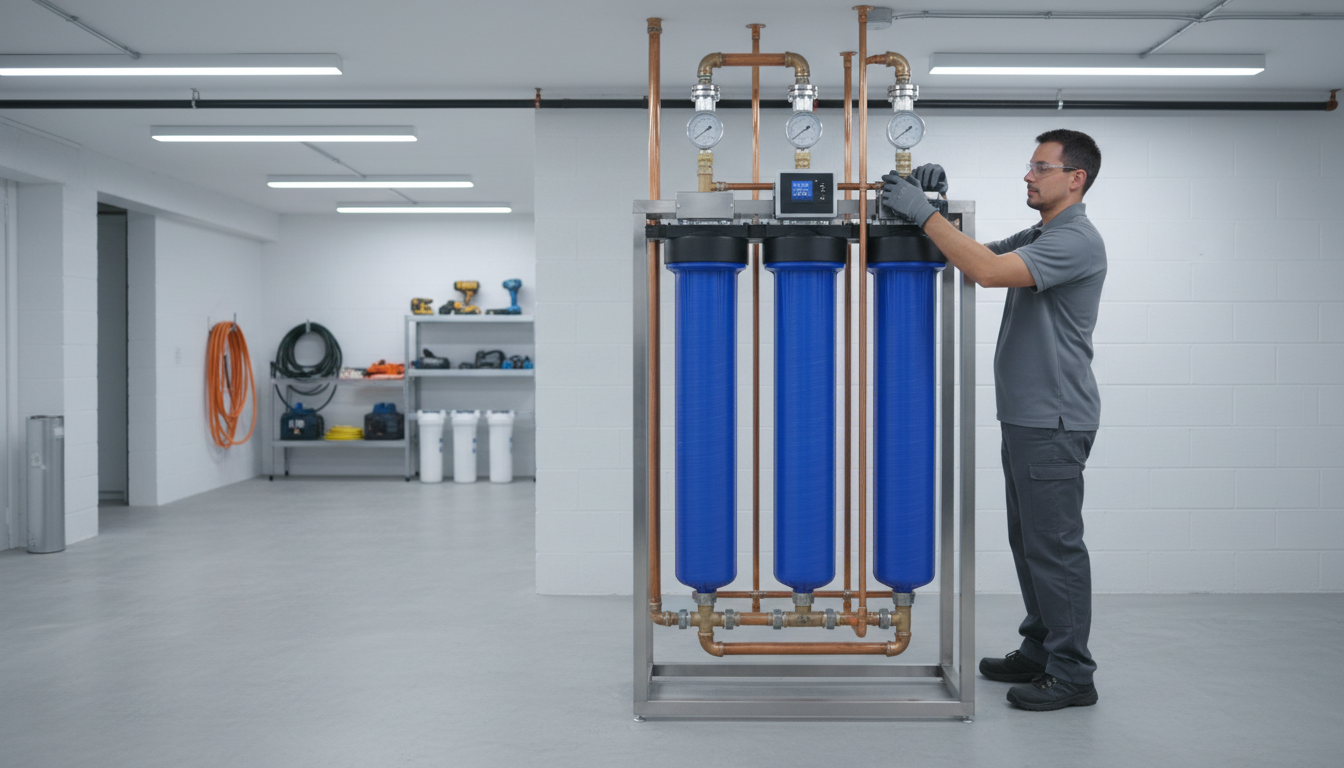
MBBR, or Moving Bed Biofilm Reactor, is a biological wastewater treatment process. It uses thousands of polyethylene biofilm carriers operating in mixed motion within an aerated wastewater treatment basin. These carriers provide a large surface area for biofilm growth, facilitating the effective breakdown of organic matter.
This technology offers a unique advantage by combining the benefits of both traditional activated sludge processes and biofilter systems, enhancing performance and reducing footprint.
Key Benefits of MBBR
MBBR technology brings several benefits that make it a preferred choice for ETP plants:
- Efficiency: By maximizing surface area for microbial growth, MBBR enhances the treatment process significantly.
- Flexibility: It can be easily integrated into existing treatment systems, making upgrades more straightforward.
- Low Maintenance: With fewer mechanical components, MBBR systems require less maintenance than traditional methods.
Implementation in Gujarat
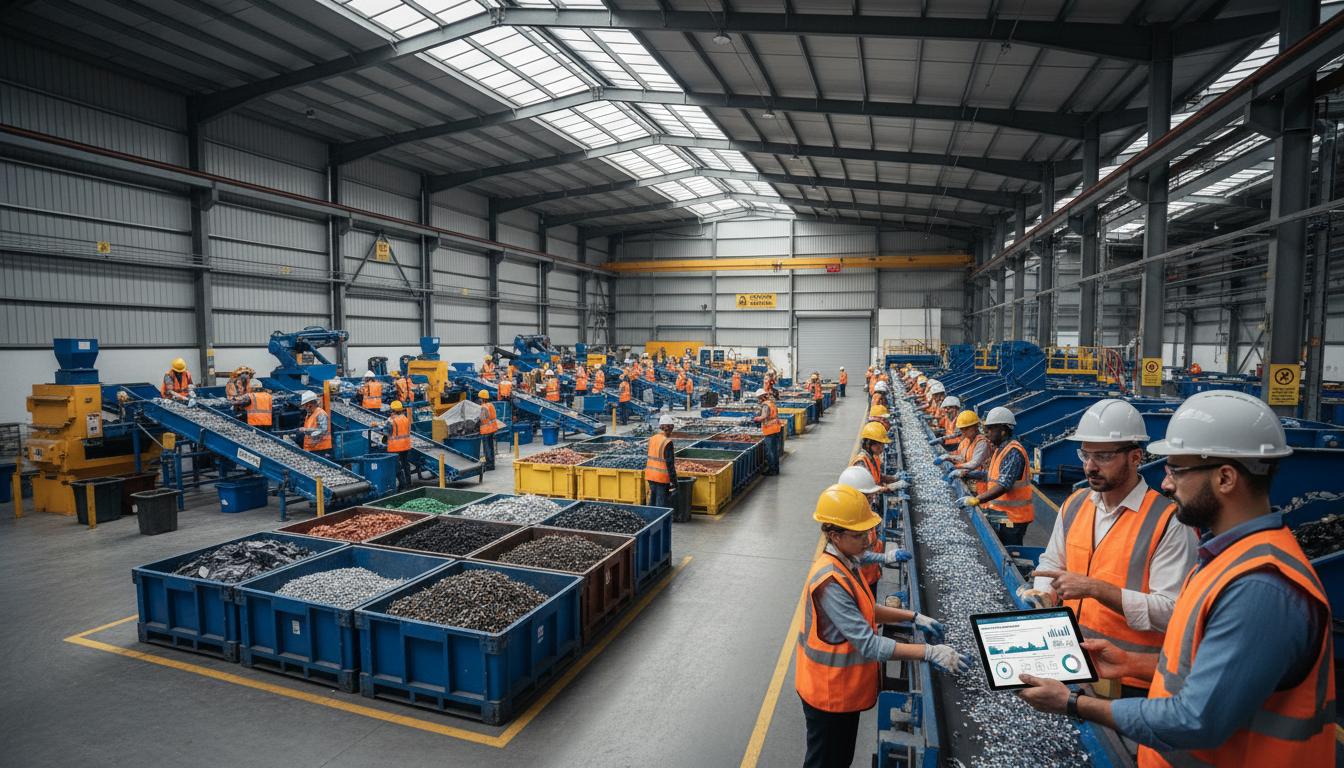
Gujarat's rapid industrialization has necessitated the adoption of efficient waste management solutions. MBBR technology is being increasingly implemented in various sectors, from textiles to chemicals. Its adaptability to different effluent compositions makes it an ideal choice for the diverse industrial landscape of the state.
Moreover, with strict environmental regulations, industries are compelled to seek sustainable and compliant technologies. MBBR fits this requirement perfectly, offering a balance between efficiency and environmental responsibility.
Challenges and Considerations
Despite its advantages, implementing MBBR technology does come with challenges. Initial setup costs can be high, and skilled personnel are required to manage the systems effectively. Training and awareness programs are essential to ensure smooth operation and maintenance.
Additionally, while MBBR systems are robust, they must be carefully monitored to prevent issues such as clogging and to ensure optimal biofilm growth.
The Future of ETP Plants
As industries in Gujarat continue to expand, the demand for effective wastewater treatment solutions will grow. MBBR technology is poised to lead this change, offering a sustainable path forward. Its ability to handle high loads and adapt to varying conditions makes it a future-proof solution for ETP plants.
Investing in MBBR not only aligns with regulatory compliance but also supports the broader goals of environmental conservation and resource management.
Conclusion
The adoption of MBBR technology represents a significant step forward for ETP plants in Gujarat. By understanding and leveraging its strengths, industries can achieve both operational efficiency and environmental sustainability. As the state continues to evolve as an industrial leader, MBBR will undoubtedly play a crucial role in shaping a cleaner, greener future.