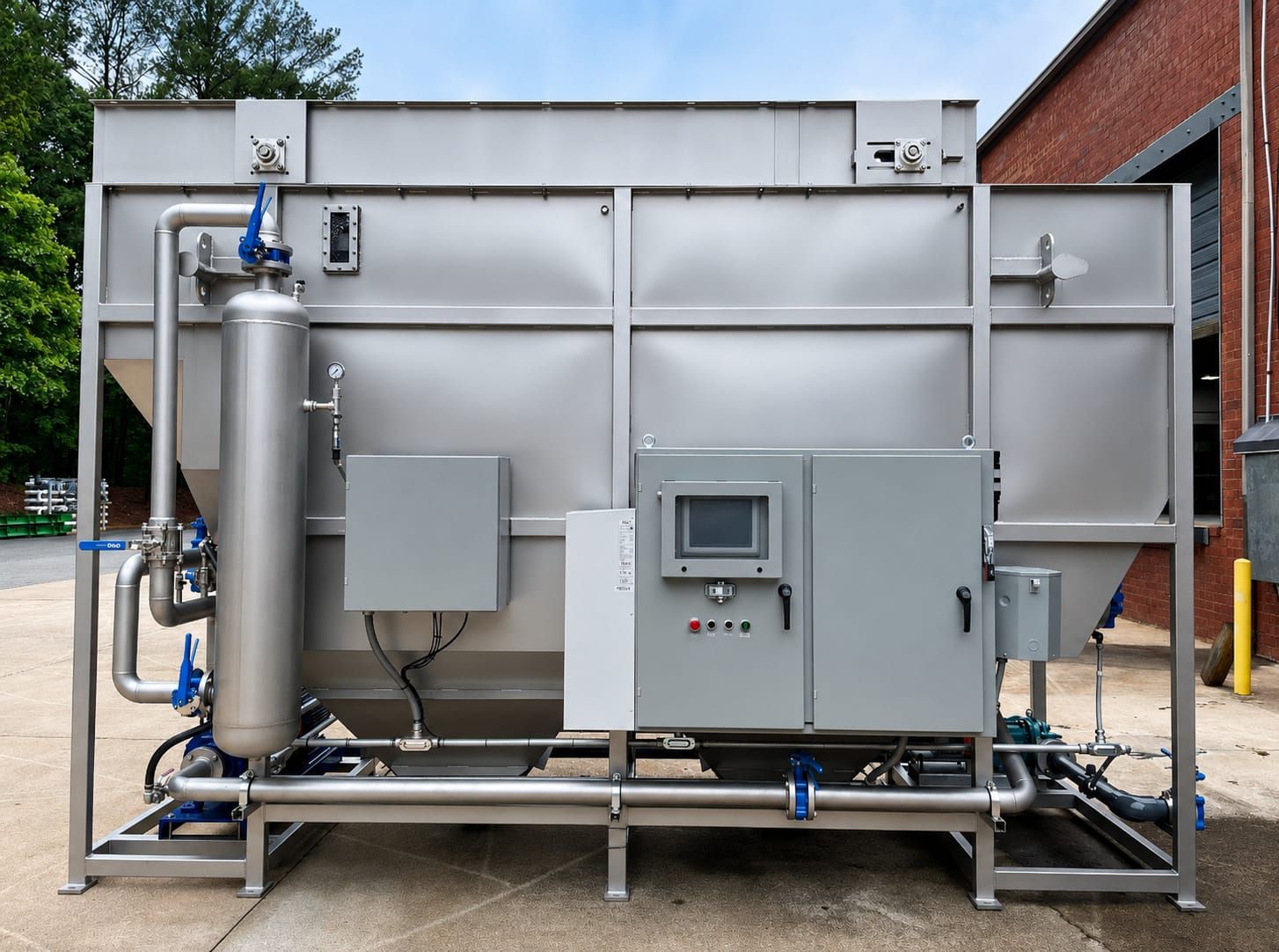
Understanding Dissolved Air Flotation in Wastewater Treatment


Introduction to

In the world of wastewater treatment, effective methods of separating suspended particles from water are crucial. One such method is Dissolved Air Flotation (DAF). This technology plays a significant role in removing contaminants, improving water quality, and ensuring environmental safety.
DAF is a process that clarifies wastewater by removing suspended matter, such as oils and solids. This is achieved by dissolving air in water under pressure and then releasing the air at atmospheric pressure in a flotation tank. The released air forms tiny bubbles, which adhere to the suspended matter, causing it to float to the surface for removal.

How Dissolved Air Flotation Works
The DAF process begins with the addition of chemicals to the wastewater. These chemicals help in coagulating and flocculating the suspended particles. Once the particles clump together, the water is saturated with dissolved air under pressure.
As the water enters the flotation tank, the pressure is released, allowing the air to come out of solution and form bubbles. These bubbles attach to the flocculated particles, reducing their density and causing them to rise to the surface.
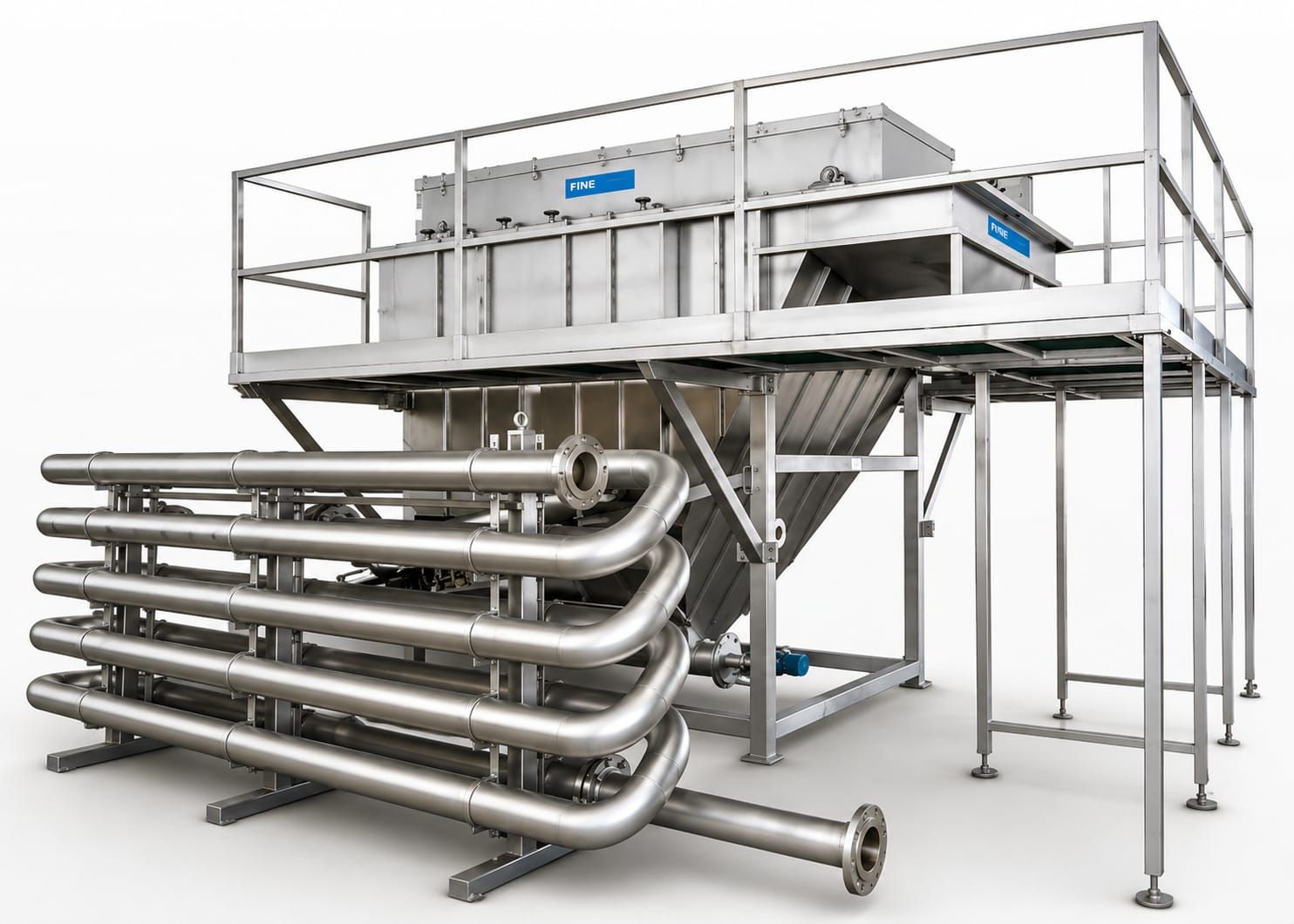
Key Components of a DAF System
- Influent Feed Tank: Where raw wastewater enters the DAF system.
- Flotation Tank: The area where air is released and particles float to the surface.
- Effluent Discharge: Clean water exits the system after treatment.
- Sludge Scraper: Removes the floated material from the surface of the tank.
Applications of DAF in Wastewater Treatment
Dissolved Air Flotation is widely used in various industries. It is particularly effective in treating industrial wastewater from sectors such as food processing, oil refineries, and chemical plants. DAF systems are also utilized in municipal wastewater treatment facilities to enhance the removal of biological solids.
In the food industry, DAF helps in removing fats, oils, and grease (FOG) from water, which is crucial in maintaining cleanliness and meeting regulatory standards. Similarly, in oil refineries, it aids in separating oil from water, ensuring that the effluent meets environmental discharge regulations.
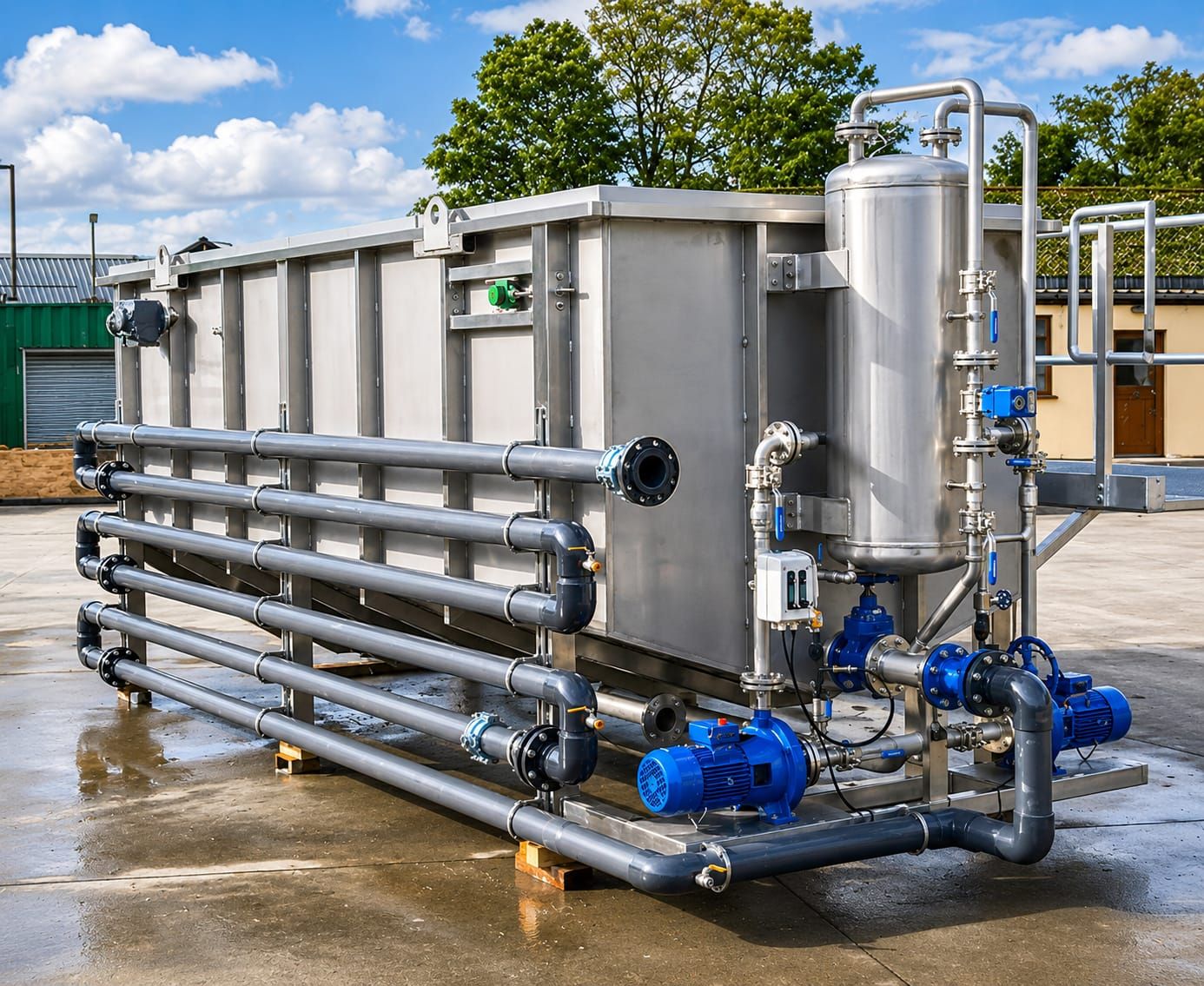
Advantages of Using DAF
The benefits of using Dissolved Air Flotation systems are numerous:
- High Efficiency: Capable of removing a wide range of suspended solids.
- Flexibility: Can be tailored to treat various types of wastewater.
- Compact Design: Requires less space compared to other treatment methods.
- Cost-Effective: Low operational costs due to efficient removal processes.
Conclusion
Understanding the role of Dissolved Air Flotation in wastewater treatment highlights its importance in modern environmental management. By efficiently removing suspended particles and enhancing water clarity, DAF systems contribute significantly to sustainable water treatment solutions.
As industries continue to face stringent environmental regulations, the adoption of advanced technologies like DAF becomes even more critical. By investing in such systems, industries can ensure compliance, protect natural resources, and promote eco-friendly operations.