Understanding Different Types of Effluent Treatment Plants for Various Industries


Introduction to Effluent Treatment Plants
Effluent Treatment Plants (ETPs) play a crucial role in ensuring that industrial waste is treated effectively before it is released into the environment. With growing environmental concerns, industries are under increasing pressure to manage their waste responsibly. Understanding the different types of ETPs is essential for industries to select the most suitable system for their specific needs.
Types of Effluent Treatment Plants
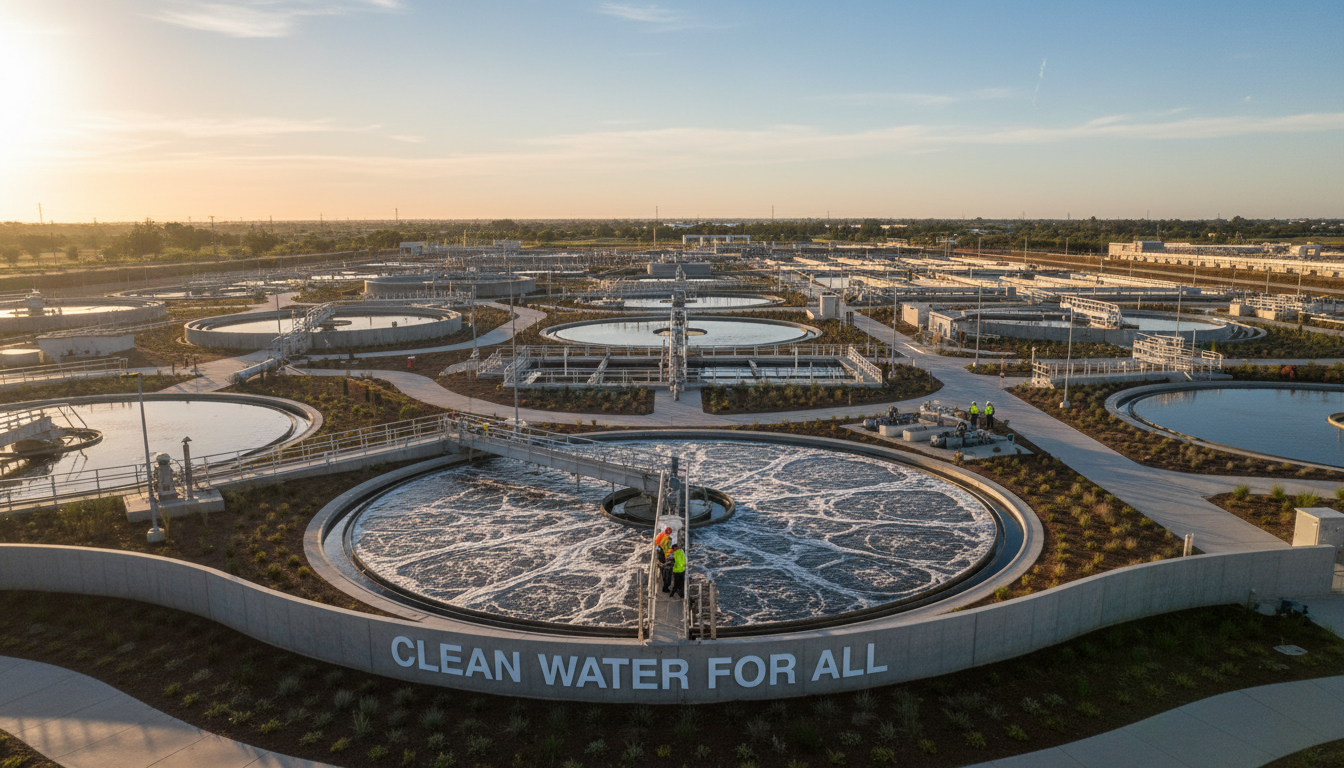
There are several types of ETPs, each designed to handle different kinds of waste. The choice of an ETP depends on the industry type, the nature of the effluent, and regulatory requirements. Here are a few common types:
Biological Treatment Plants
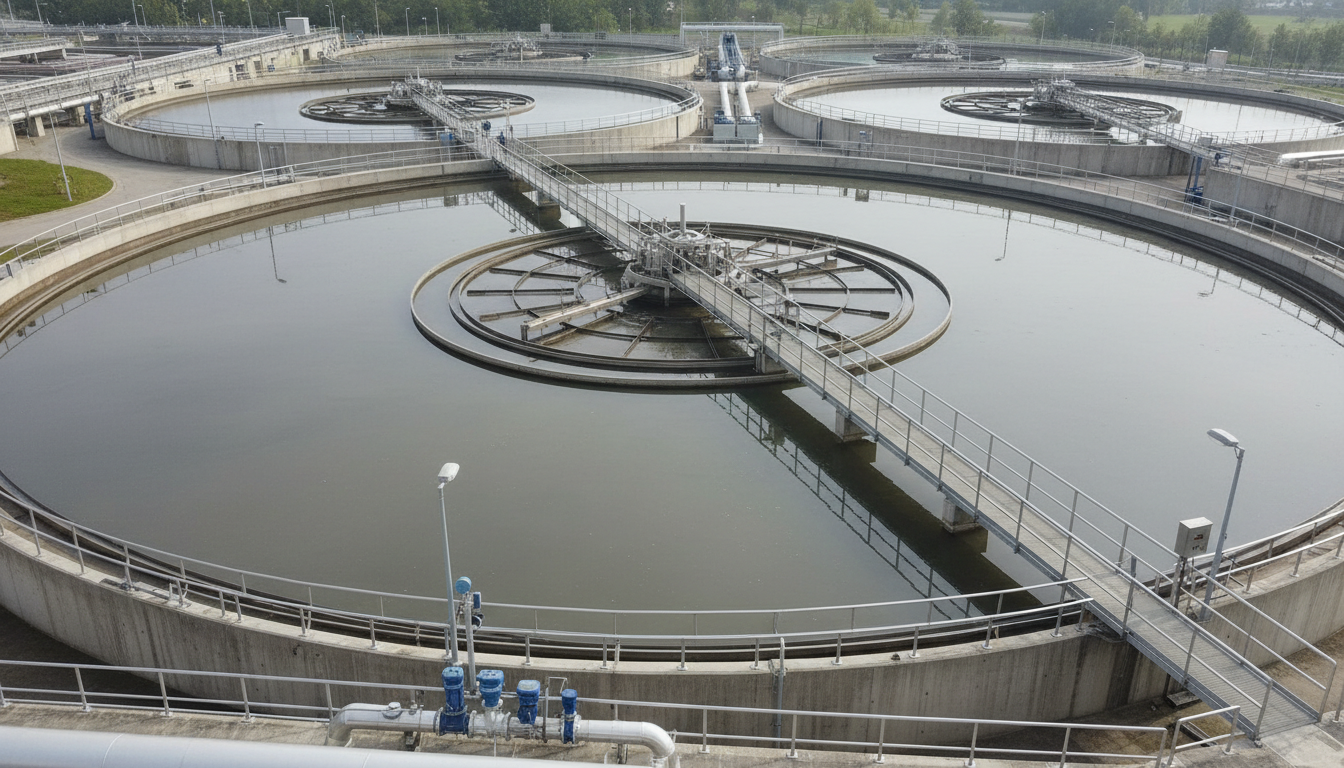
Biological treatment plants use microorganisms to decompose organic waste. This type is often used in industries like food processing and textiles where organic waste is prevalent. The process includes aerobic and anaerobic treatment, each suitable for different kinds of effluents.
Chemical Treatment Plants
Chemical treatment plants use chemicals to remove pollutants. These are ideal for industries such as pharmaceuticals and chemicals where the effluent contains non-biodegradable substances. This treatment involves coagulation, flocculation, and precipitation to remove contaminants effectively.
Advanced Treatment Options
For industries dealing with complex waste streams, advanced treatment options are available. These include membrane filtration, ion exchange, and advanced oxidation processes. Such methods are typically used in industries with stringent effluent standards, like electronics and petrochemicals.
Membrane Filtration Systems
Membrane filtration is a physical separation process that removes solids and larger molecules from the effluent. This technology is particularly effective in industries where water reuse is a priority, as it ensures high purity levels.
Ion Exchange Systems
Ion exchange systems are used to treat effluents containing heavy metals. This method is common in mining and metal finishing industries. It involves exchanging undesirable ions in the effluent with more acceptable ions, making it suitable for recovering valuable metals as well.
Factors Influencing the Choice of ETP
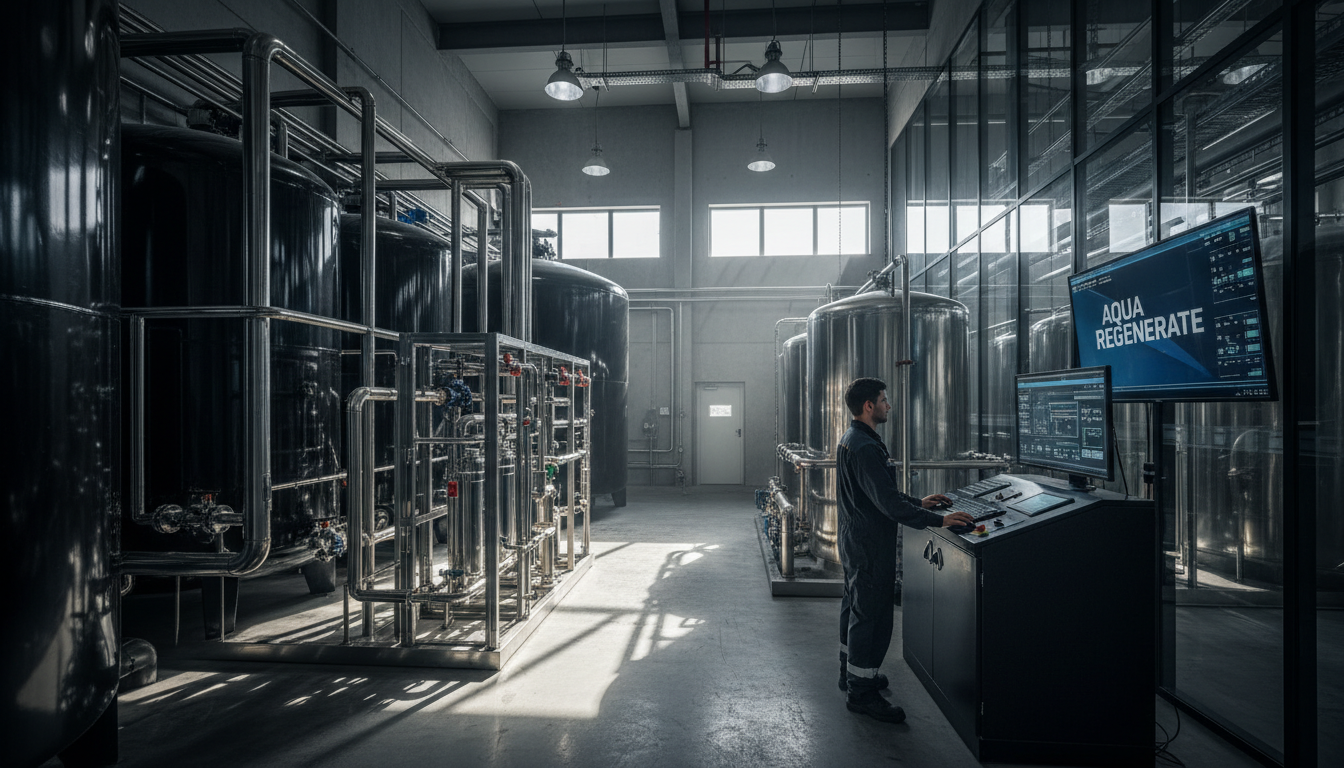
Choosing the right ETP involves considering several factors, including the nature of the effluent, the volume of waste, regulatory compliance, and operational costs. Industries must conduct a thorough analysis to ensure the selected treatment plant meets their specific requirements.
Regulatory Compliance
Adhering to environmental regulations is non-negotiable for industries. ETPs must be designed to meet local regulatory standards to avoid penalties and maintain a sustainable operation. Regular monitoring and maintenance are essential for compliance.
Conclusion
Effluent Treatment Plants are vital for sustainable industrial operations. By understanding the different types and their applications, industries can make informed decisions to manage their waste effectively. As technology advances, more efficient and eco-friendly treatment options continue to emerge, offering industries better solutions for waste management.