Understanding Deionised Water Systems: Applications and Benefits


What is Deionised Water?
Deionised water, often referred to as DI water, is water that has had most of its mineral ions removed, such as cations like sodium, calcium, iron, and copper, and anions like chloride and sulfate. This process results in ultra-pure water that is highly sought after in various industries for its purity and lack of contaminants.
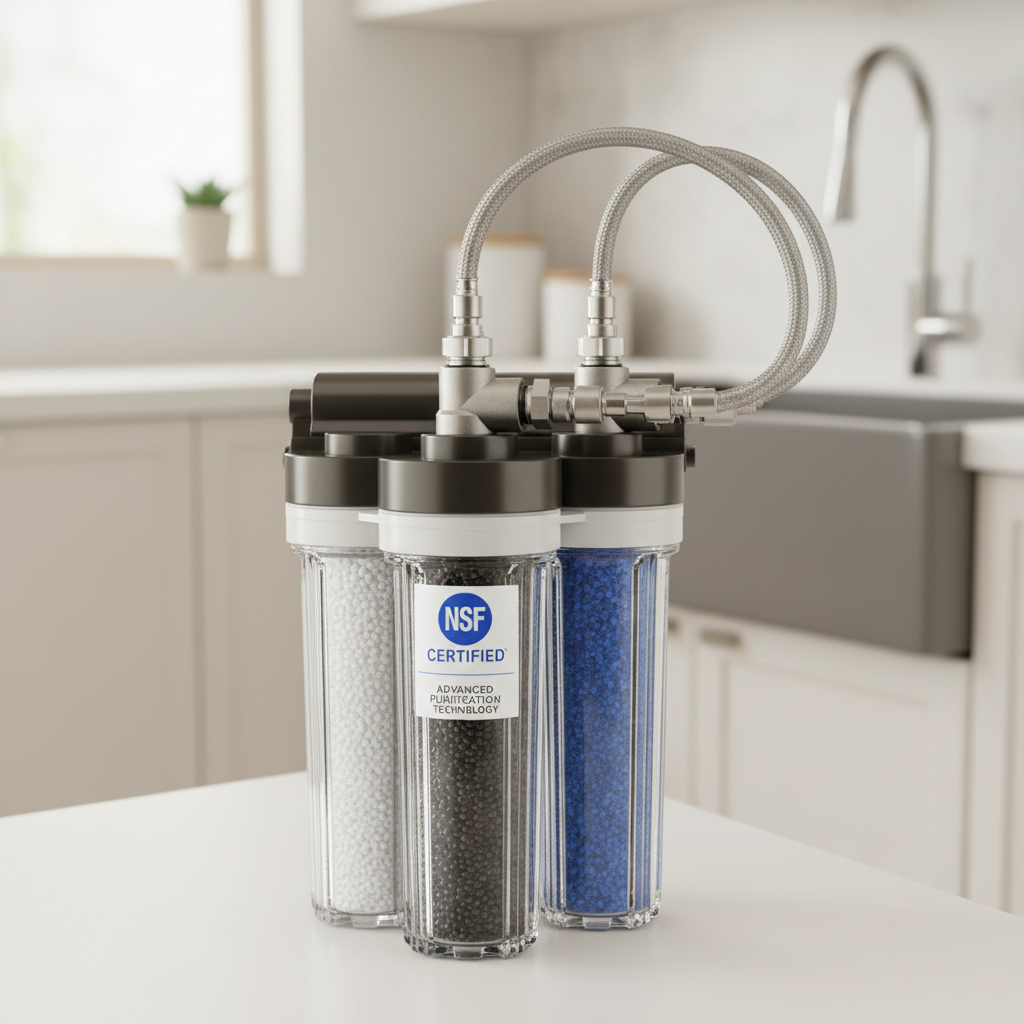
Unlike distilled water, which is purified through boiling and condensation, deionised water undergoes a chemical process using ion-exchange resins. This makes it ideal for applications where mineral-free water is necessary.
Applications of Deionised Water
Industrial Use
In industrial settings, deionised water is essential for processes that require water free of dissolved mineral salts. It is used in cooling systems, laboratory experiments, and even in the production of electronics to ensure no ionic contamination occurs.
Pharmaceutical and Medical Applications
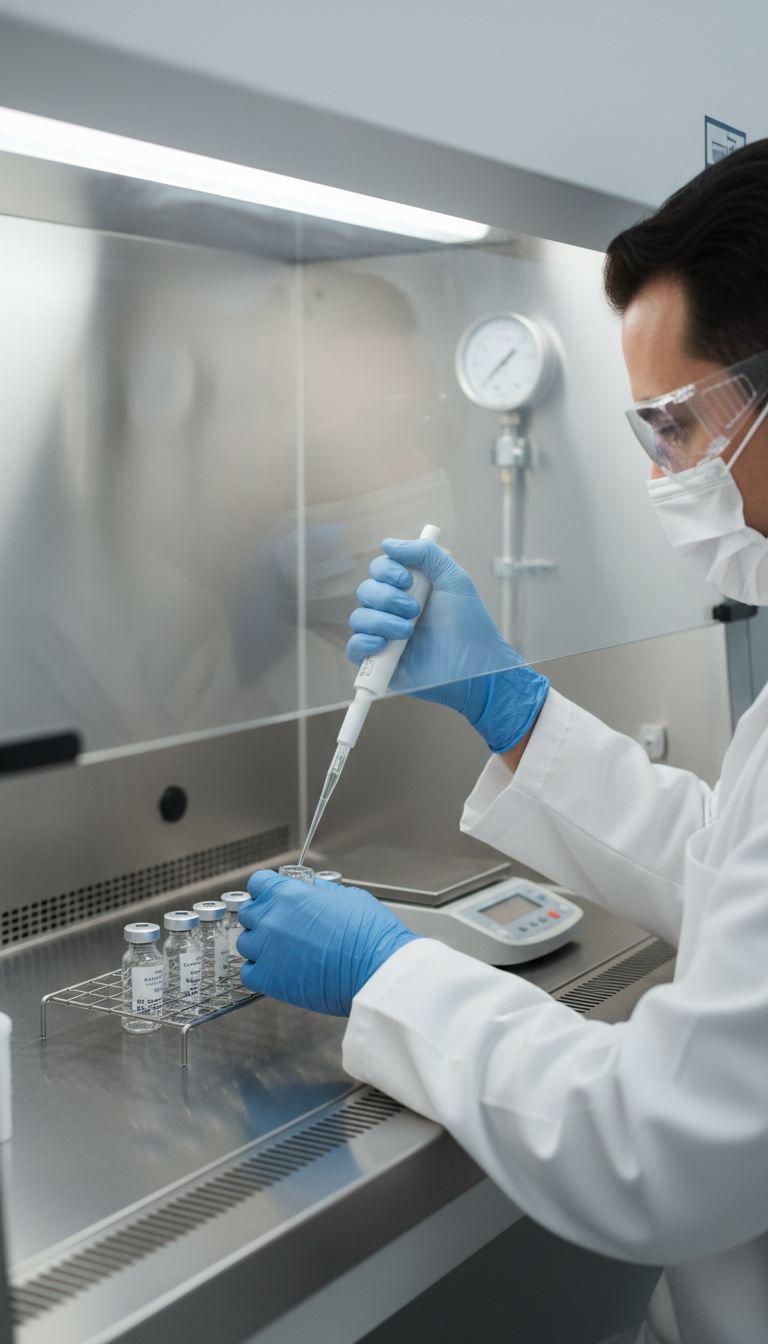
In the pharmaceutical and medical fields, deionised water is crucial for the preparation of solutions and medications. It ensures that no impurities interfere with the chemical formulations, maintaining the efficacy and safety of drugs and medical equipment.
Benefits of Deionised Water Systems
High Purity Levels
One of the primary benefits of deionised water systems is the high level of purity they provide. This makes them invaluable in applications where even the slightest contamination can cause significant issues.
Cost-Effective
While the initial setup of a deionised water system might seem costly, it proves to be highly cost-effective in the long run. These systems reduce the need for constant replacement of water or additional purification processes, saving both time and money.

Maintenance and Care
Maintaining a deionised water system is relatively straightforward, yet crucial for ensuring its longevity and efficiency. Regular checks and replacement of ion-exchange resins are necessary to keep the system functioning at optimal levels.
Proper maintenance not only extends the system's lifespan but also guarantees that the water produced remains of the highest quality, free from any unwanted ions or contaminants.
Conclusion
Understanding the applications and benefits of deionised water systems highlights their importance across various industries. Whether for industrial, pharmaceutical, or any other specialized use, the purity of DI water is unmatched. By investing in these systems, industries ensure that their processes remain efficient and free from contamination.