The Role of MBBR, MBR, and SBR in Modern Water Treatment


In the realm of modern water treatment, three technologies stand out for their efficiency and effectiveness: Moving Bed Biofilm Reactor (MBBR), Membrane Bioreactor (MBR), and Sequencing Batch Reactor (SBR). Each of these systems offers unique benefits, making them suitable for different applications in wastewater management.
Understanding MBBR Technology
The Moving Bed Biofilm Reactor (MBBR) is a biological treatment process that utilizes specialized carrier media to support biofilm growth. These carriers are suspended in the reactor, providing a large surface area for microorganisms to thrive. This technology is renowned for its simplicity and ability to handle varying loads of wastewater.
One of the primary advantages of MBBR is its compact design. It requires less space compared to traditional methods, making it ideal for urban areas where land is limited. Additionally, MBBR systems are known for their operational stability, even in fluctuating conditions.
The Benefits of MBR Systems
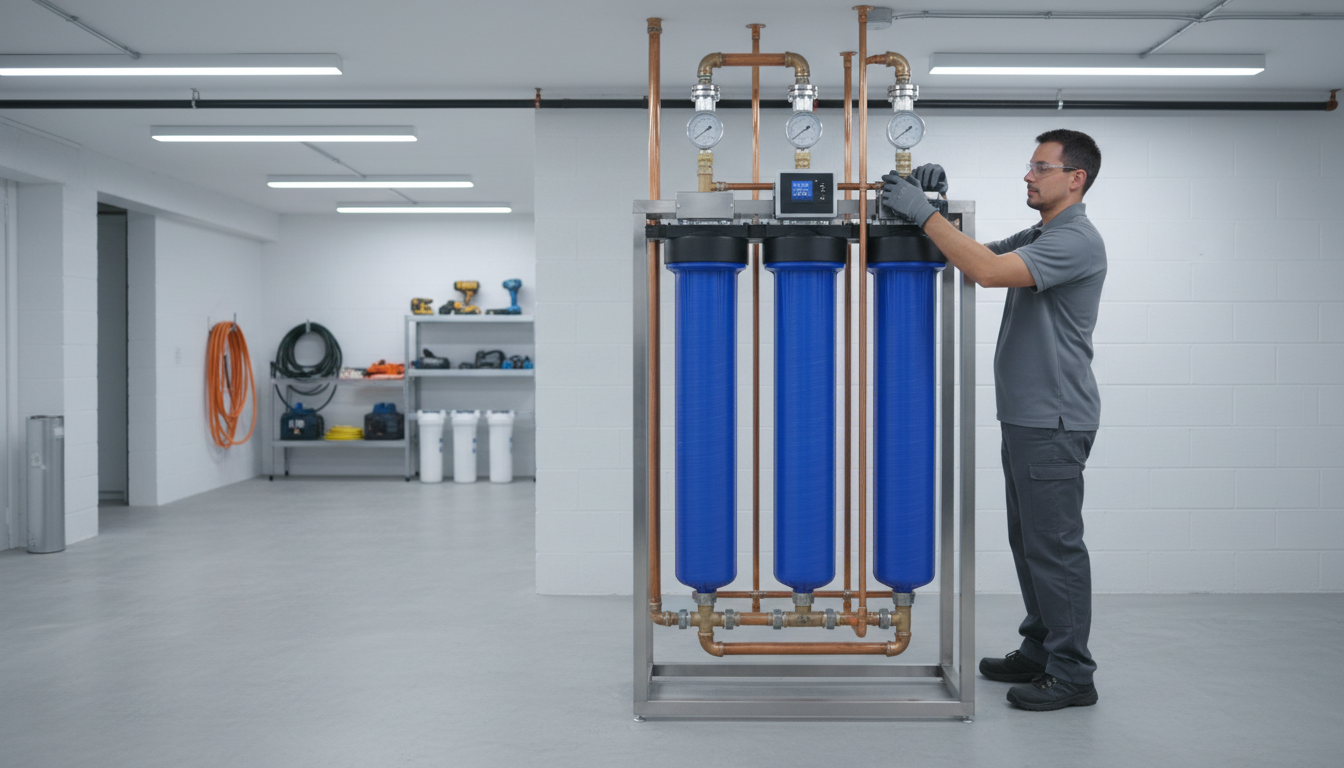
Membrane Bioreactor (MBR) technology combines biological treatment with membrane filtration, resulting in high-quality effluent. The membranes act as a physical barrier, effectively separating solids from the treated water, which makes MBR an excellent choice for water reuse applications.
MBR systems are praised for their ability to produce effluent with low turbidity and pathogen levels. This makes the treated water suitable for non-potable uses, such as irrigation and industrial processes. Moreover, the compact nature of MBR systems allows for installation in areas with limited space.
Challenges and Solutions in MBR Implementation
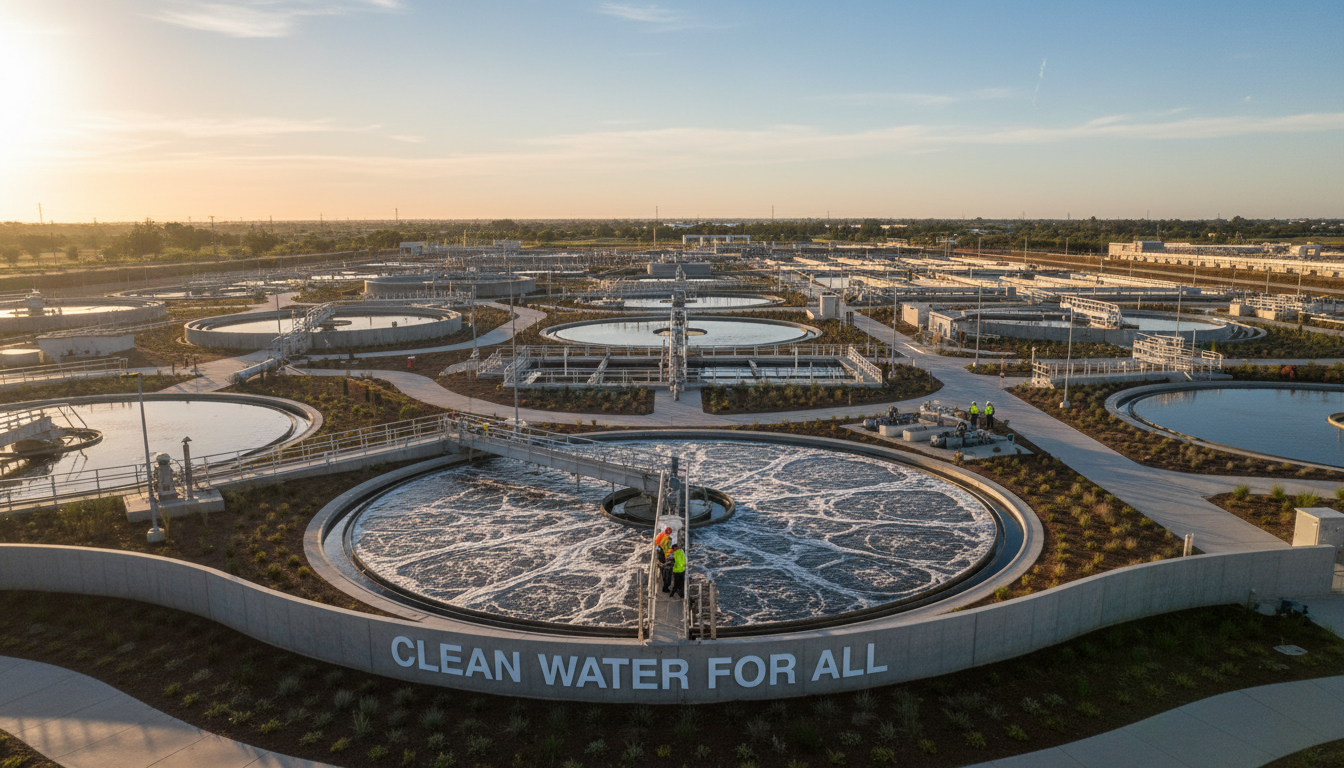
Despite their benefits, MBR systems face challenges such as membrane fouling. However, advancements in membrane materials and cleaning techniques have significantly reduced these issues. Regular maintenance and monitoring are crucial to ensure optimal performance.
Exploring SBR Technology
The Sequencing Batch Reactor (SBR) is another effective method for wastewater treatment. It operates in a time-sequenced manner, allowing for aeration, settling, and decanting to occur in the same tank. This process is particularly beneficial for facilities with limited space and resources.
SBR systems are highly flexible and can be adapted to varying wastewater compositions. This adaptability makes them suitable for small communities and industries with fluctuating wastewater characteristics.
Key Advantages of SBR Systems
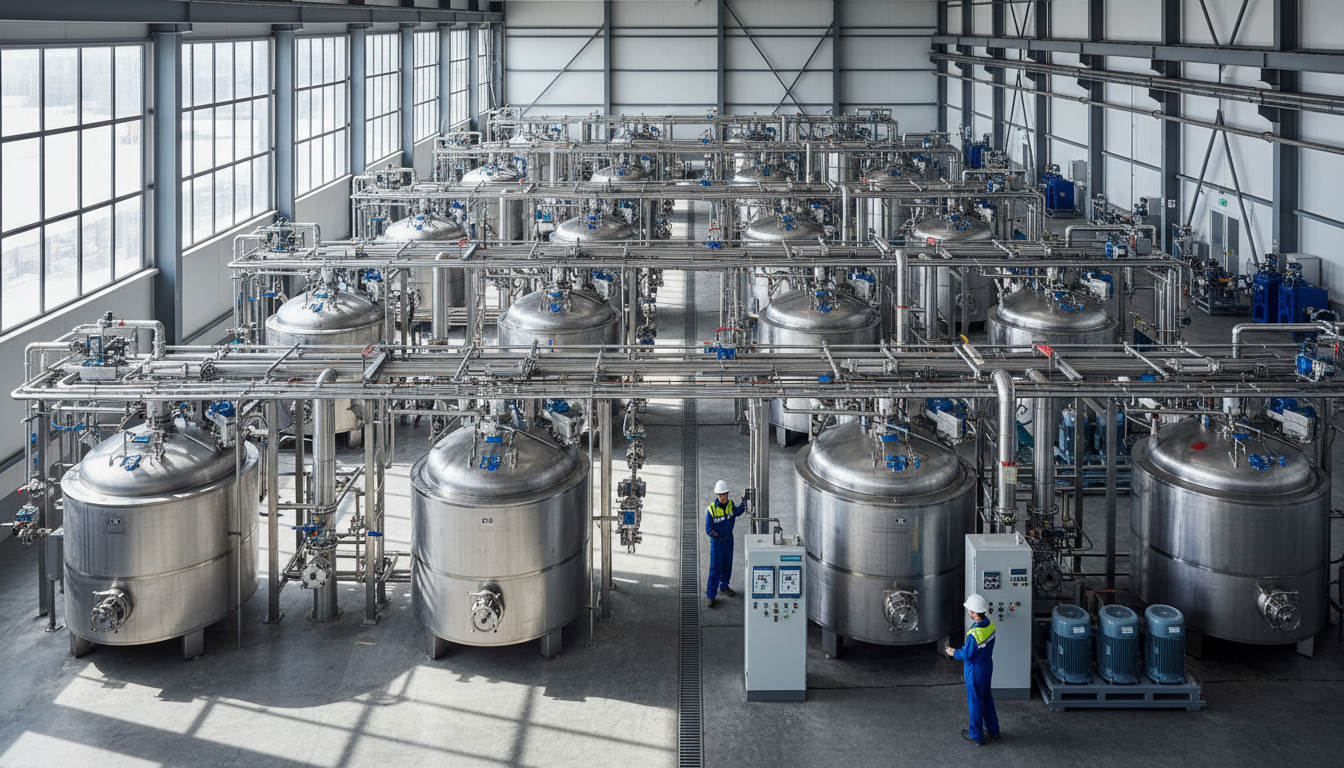
One of the main advantages of SBR is its ability to handle shock loads without compromising on effluent quality. Additionally, SBR systems can be automated, reducing the need for constant supervision and manual intervention. This leads to reduced operational costs and increased efficiency.
In conclusion, MBBR, MBR, and SBR technologies each play a vital role in modern water treatment. By understanding their unique features and benefits, industries and municipalities can make informed decisions to enhance their wastewater management practices. As water scarcity becomes an ever-pressing issue, these advanced treatment systems offer sustainable solutions for a cleaner and healthier future.