The Core Mission: How an STP Cleans Wastewater


Understanding the Basics of Wastewater Treatment
Wastewater treatment is a crucial process that ensures the safe disposal of water, protecting both human health and the environment. At the heart of this process lies the Sewage Treatment Plant (STP), a facility designed to remove contaminants from wastewater. But how exactly does an STP work? Let's explore the core mission of an STP and how it cleans wastewater.
The Primary Treatment Phase
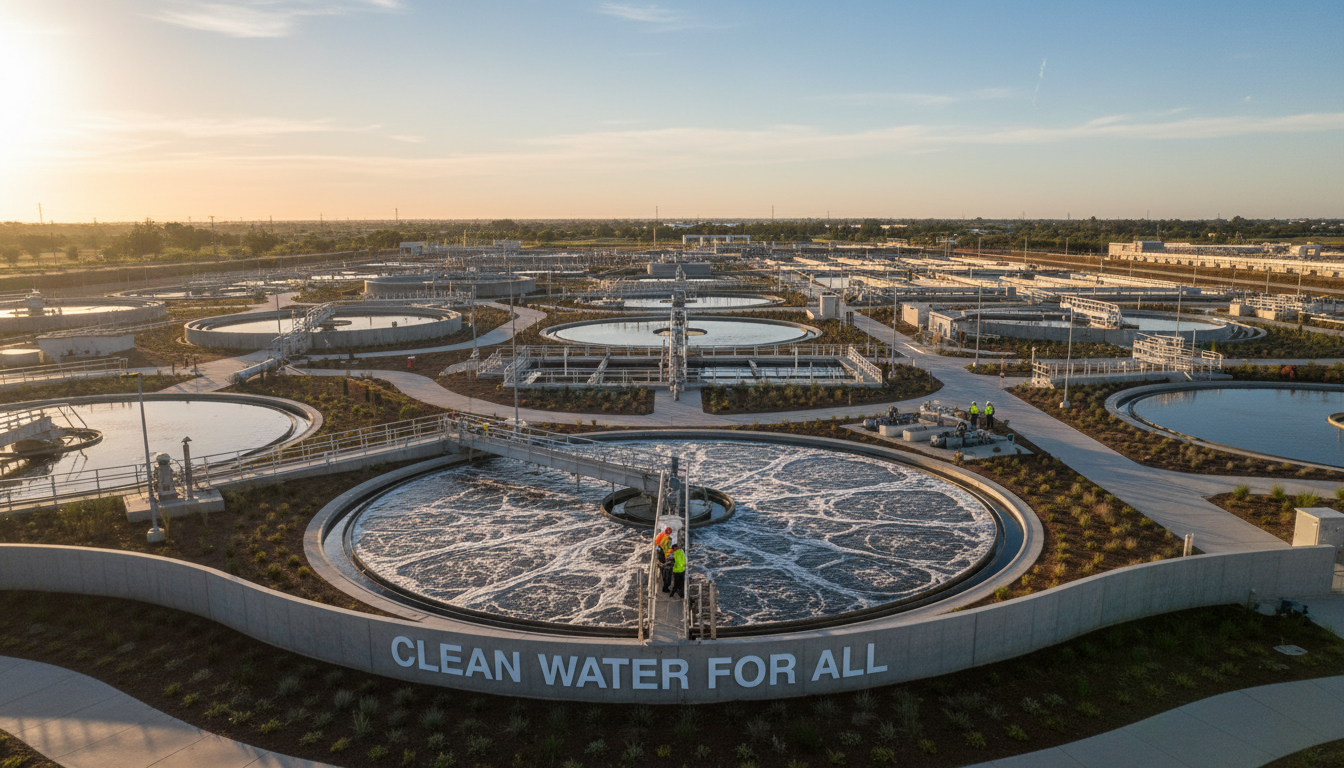
The first step in wastewater treatment is the primary phase, where large solids and debris are removed from the sewage. This is achieved using screens and filters that trap unwanted materials. The remaining liquid is then allowed to settle in large tanks, enabling the separation of heavier solids, known as sludge.
This initial phase is essential for reducing the load on subsequent treatment stages. By removing large particles early, the plant can focus on eliminating finer contaminants in the later phases.
Secondary Treatment: Biological Breakdown
The secondary phase of treatment involves the use of biological processes to break down organic matter. This is where microorganisms come into play. These tiny organisms consume organic pollutants, converting them into safer byproducts such as carbon dioxide and water.
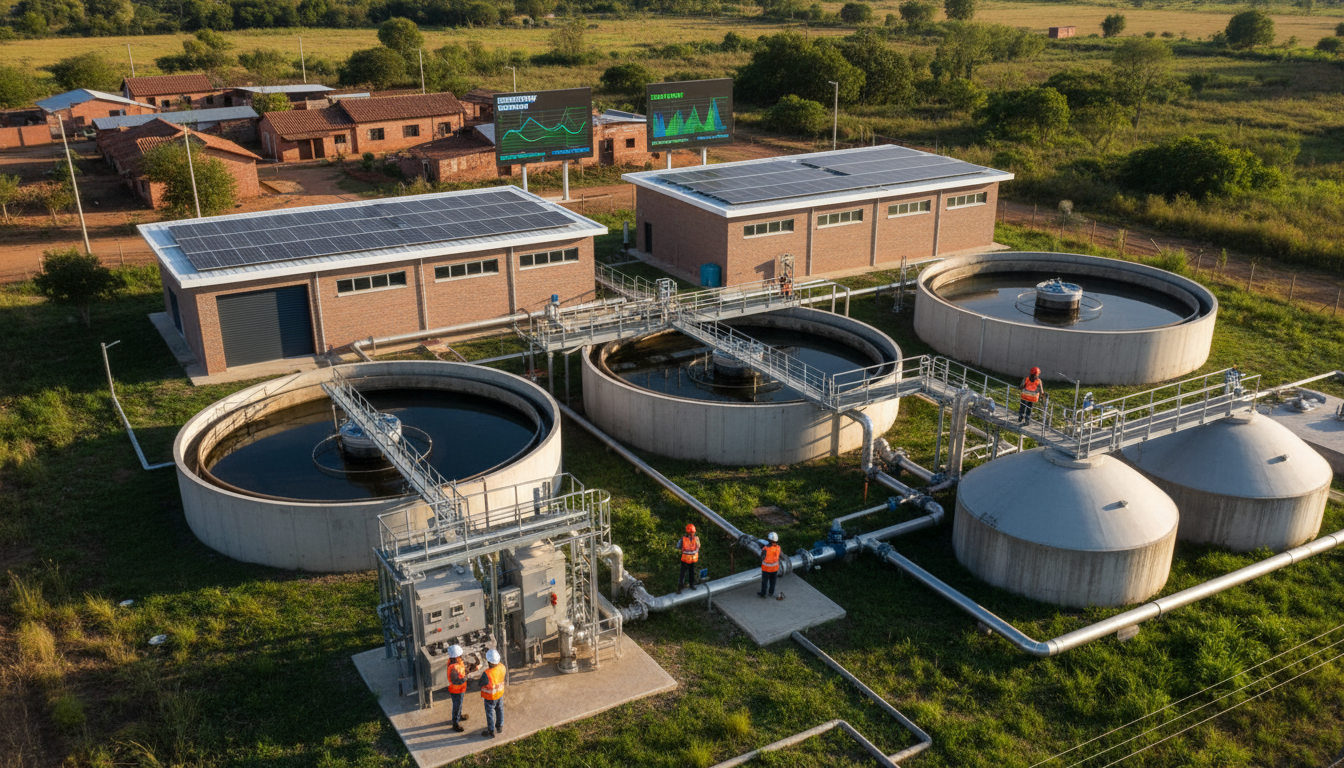
In this stage, the wastewater is aerated to provide oxygen to the microorganisms, promoting their growth and activity. This biological treatment significantly reduces the amount of organic pollution present in the water.
Tertiary Treatment: Polishing the Water
The tertiary treatment phase focuses on polishing the water to remove any remaining impurities. This can involve various processes, such as filtration, chemical treatment, and disinfection. The goal is to ensure that the water is safe to release into natural water bodies or for reuse in irrigation and industrial applications.
Advanced methods like sand filtration, activated carbon filters, and UV disinfection are commonly used to achieve this high level of purity. These technologies target specific contaminants, ensuring that the treated water meets stringent environmental standards.
The Importance of Efficient STP Operations
Running an efficient STP is vital for maintaining public health and environmental integrity. An effective STP not only reduces pollution but also conserves water by making it reusable. Furthermore, the sludge generated during the treatment process can be repurposed as fertilizer, contributing to agricultural productivity.
Regular maintenance and monitoring are necessary to ensure that the STP operates at its best. By investing in modern technologies and skilled personnel, treatment plants can maximize their efficiency and effectiveness.
Conclusion: A Sustainable Future
The core mission of an STP is to clean wastewater, transforming it from a potential hazard into a valuable resource. By understanding and optimizing each phase of the treatment process, we can protect our water sources and promote sustainability.
As the demand for clean water continues to grow, the role of STPs becomes increasingly critical. Investing in advanced technologies and sustainable practices will pave the way for a cleaner, healthier future for all.