The Comprehensive Guide to Maintenance Services for Wastewater Plants


Introduction to Wastewater Plant Maintenance
Maintaining a wastewater treatment plant is a complex yet essential task. These facilities play a crucial role in ensuring environmental safety and public health by treating and managing waste. Proper maintenance ensures efficient operation, reduces downtime, and extends the plant's lifespan.
Without regular maintenance, a wastewater plant can face numerous challenges, including equipment failures, compliance issues, and increased operational costs. This comprehensive guide will help you understand the critical aspects of maintenance services for wastewater plants.
Key Components of Wastewater Plants
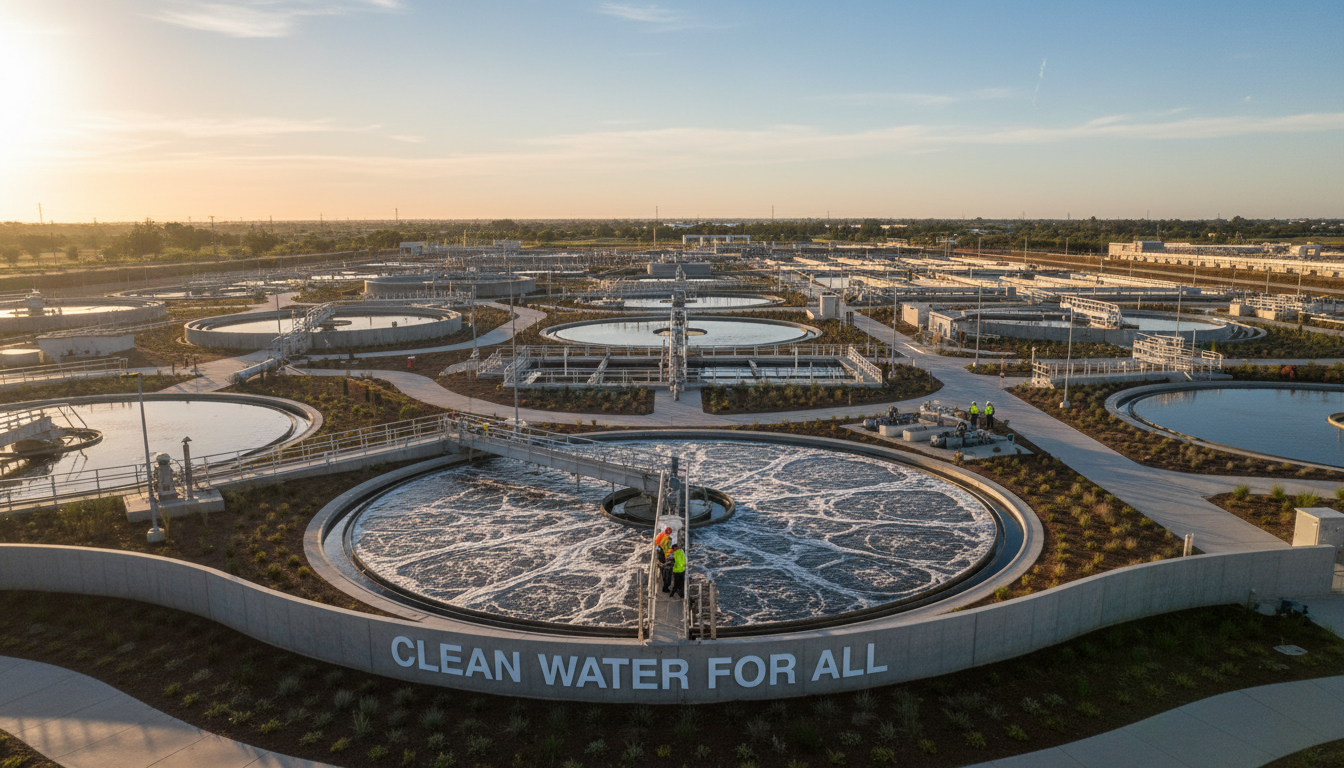
Understanding the key components of a wastewater plant is vital for effective maintenance. These components include:
- Pumps and Motors: Essential for moving water through the treatment process.
- Aeration Systems: Provide oxygen to support biological treatment processes.
- Clarifiers: Separate solids from liquids in the treatment process.
- Sludge Handling Equipment: Manages and processes the by-products of treatment.
Each component requires specific maintenance practices to ensure optimal performance and longevity.
Preventive Maintenance Strategies
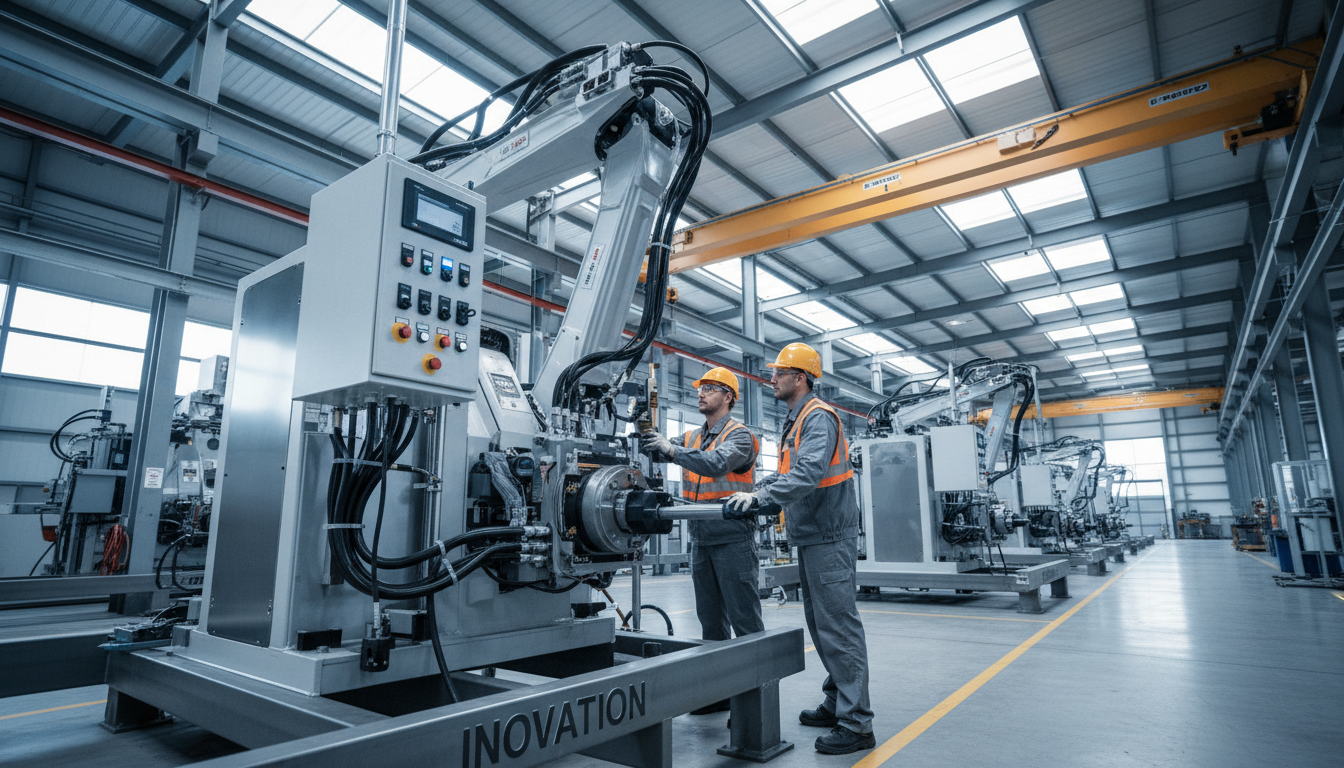
Preventive maintenance is a proactive approach that involves regular inspections and servicing of equipment to prevent failures. Key strategies include:
- Regular Inspections: Conducting routine checks to identify potential issues before they escalate.
- Scheduled Servicing: Performing timely maintenance tasks such as lubrication, cleaning, and part replacements.
- Monitoring Systems: Using technology to track equipment performance and detect anomalies.
Implementing these strategies helps in minimizing unexpected breakdowns and costly repairs.
Corrective Maintenance Practices
Corrective maintenance involves repairing or replacing malfunctioning equipment. It is crucial for addressing issues that arise during plant operations. Key practices include:
- Timely Repairs: Addressing issues promptly to prevent further damage.
- Equipment Upgrades: Replacing outdated or inefficient machinery to improve plant efficiency.
- Root Cause Analysis: Identifying the underlying causes of failures to prevent recurrence.

The Role of Skilled Technicians
Skilled technicians are the backbone of effective maintenance services. They possess the expertise required to handle complex equipment and perform necessary repairs. Training and continuous education are essential to keep technicians up-to-date with the latest technologies and best practices.
Investing in skilled personnel not only enhances plant performance but also ensures safety and compliance with environmental regulations.
Conclusion
Effective maintenance services are crucial for the smooth operation of wastewater treatment plants. By understanding the components, implementing preventive and corrective strategies, and relying on skilled technicians, plant managers can ensure efficient and reliable plant operations. Prioritizing maintenance not only reduces costs but also protects the environment and public health.