The Benefits of Zero Liquid Discharge (ZLD) for Chemical Manufacturing


Understanding Zero Liquid Discharge (ZLD)
Zero Liquid Discharge (ZLD) is an advanced water treatment process designed to eliminate all liquid waste from a system. This method is particularly beneficial for industries like chemical manufacturing, where water usage and waste management are crucial. By implementing ZLD, companies can significantly reduce their environmental footprint while optimizing resource utilization.
The primary goal of ZLD is to ensure that no liquid waste leaves the facility. Instead, water is treated, purified, and reused within the industrial process. This not only conserves water but also minimizes the impact on local water bodies.
Environmental Benefits
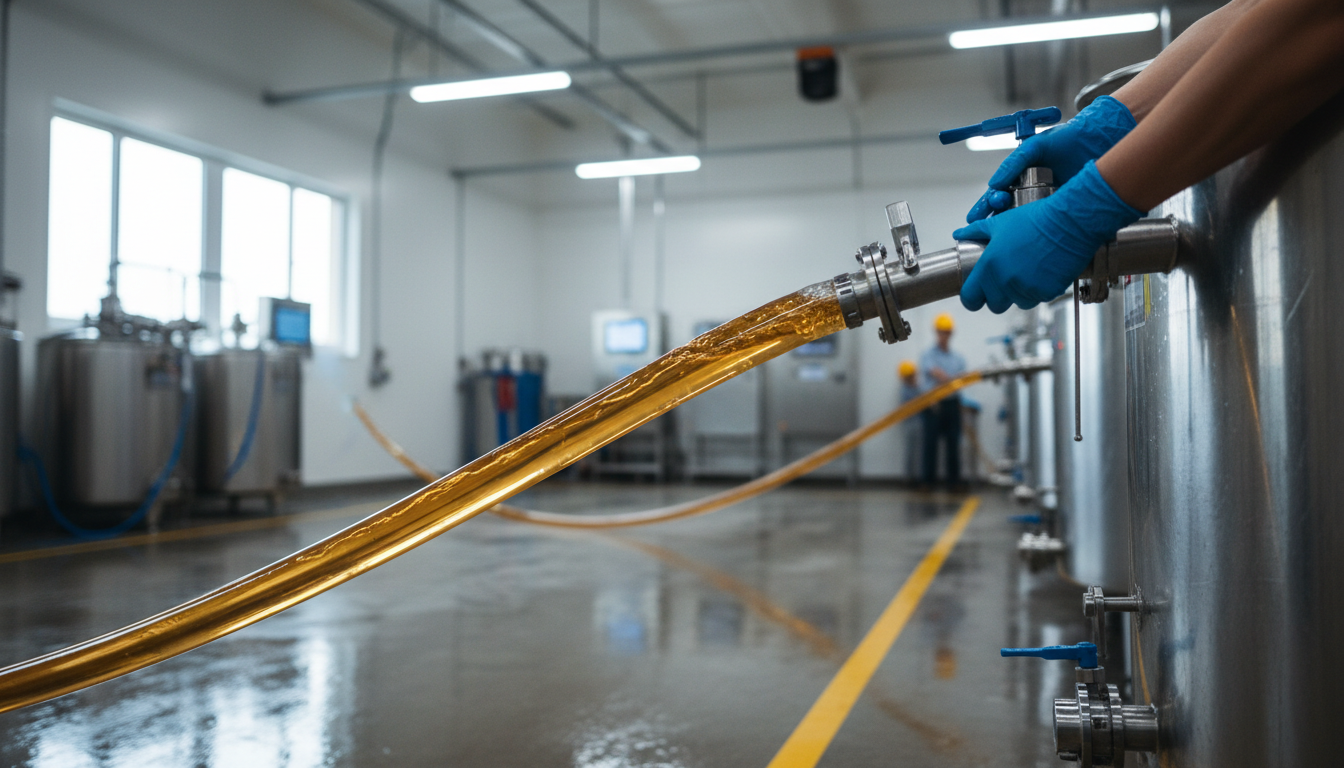
One of the most significant advantages of ZLD is its positive impact on the environment. By eliminating liquid waste, chemical manufacturers can prevent pollution of nearby water sources. This is particularly important in areas facing water scarcity or stringent environmental regulations.
Additionally, ZLD systems help in reducing the overall carbon footprint of a facility. By recycling water, the need for fresh water extraction is minimized, conserving natural resources and preserving ecosystems.
Economic Advantages
While the initial investment in ZLD technology can be substantial, the long-term economic benefits are noteworthy. By recycling and reusing water, chemical manufacturers can significantly cut down on water procurement and waste disposal costs. This leads to substantial savings over time.
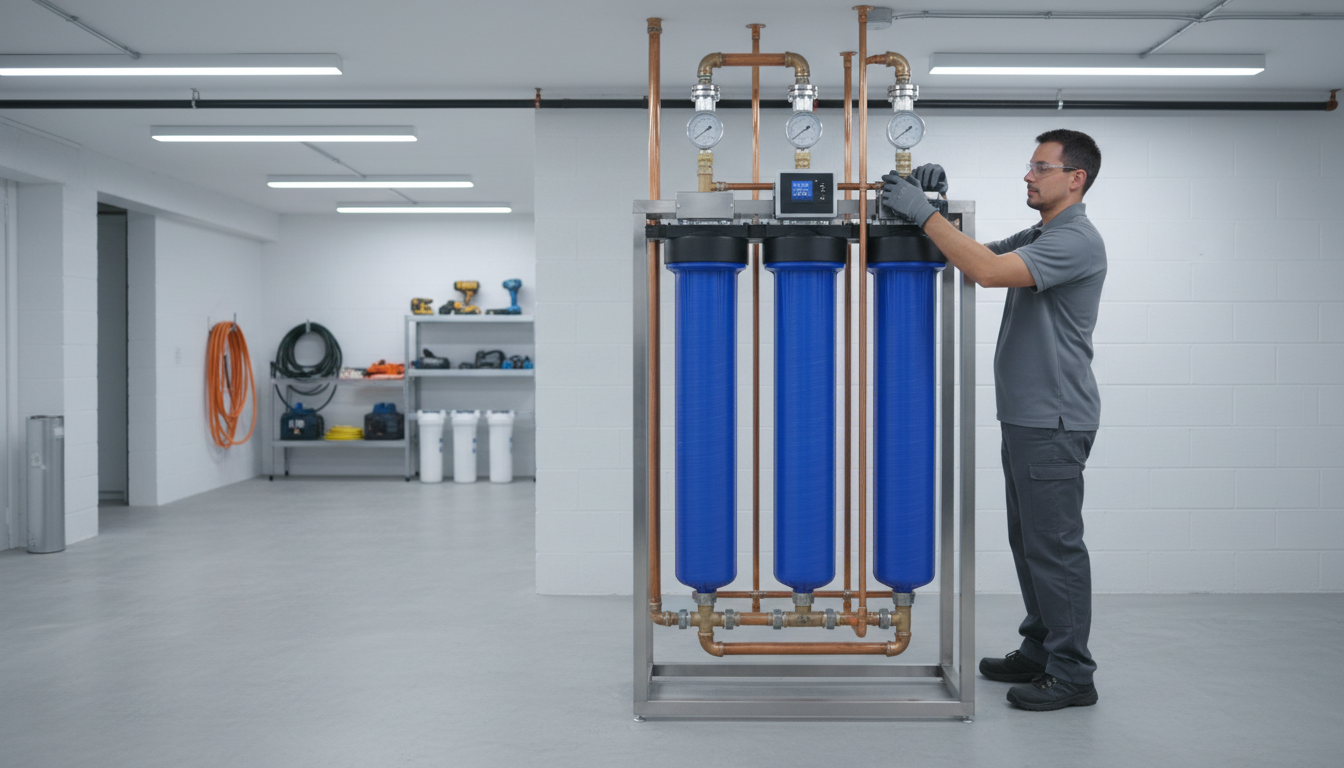
Moreover, embracing ZLD can provide companies with a competitive edge. As consumers become more environmentally conscious, businesses that demonstrate sustainable practices can enhance their brand image and attract more customers.
Compliance and Regulatory Benefits
Compliance with environmental regulations is a critical concern for chemical manufacturers. ZLD systems help companies meet stringent discharge limits and avoid hefty fines or legal issues. By proactively adopting ZLD, businesses can ensure compliance and reduce the risk of operational disruptions.
Furthermore, governments and regulatory bodies often provide incentives for companies that adopt sustainable practices, making ZLD an even more attractive option.
Technological Innovations
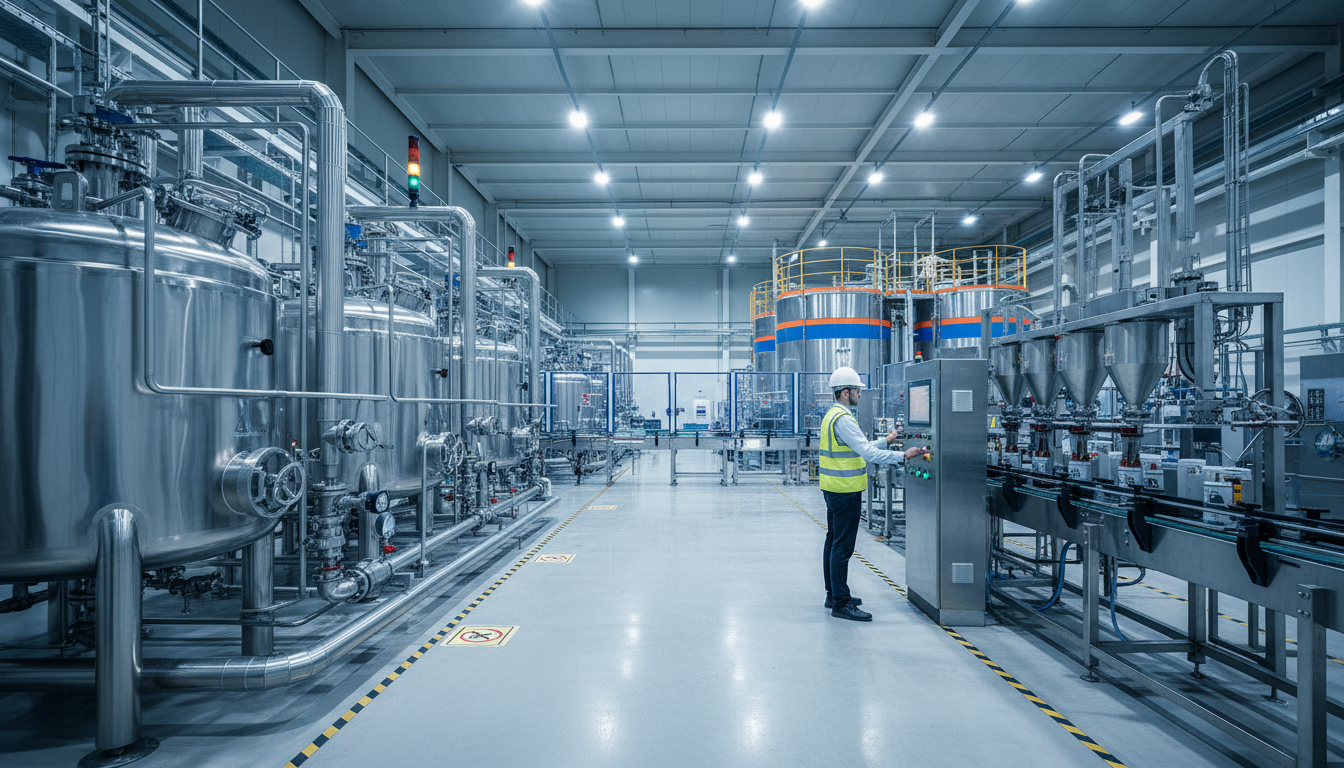
The efficiency of ZLD systems has improved significantly thanks to technological advancements. Modern ZLD systems are more efficient and cost-effective, utilizing innovative techniques such as membrane filtration, evaporation, and crystallization to treat wastewater effectively.
Continuous research and development in this field promise further improvements, making ZLD an increasingly viable option for chemical manufacturers worldwide.
Conclusion
Zero Liquid Discharge offers a plethora of benefits for the chemical manufacturing industry. From environmental conservation to economic savings and regulatory compliance, ZLD systems provide a comprehensive solution to the challenges faced by modern industries. By investing in ZLD, chemical manufacturers can secure a sustainable future while enhancing their operational efficiency.