Summer Water Conservation Techniques for Industrial Sectors


Understanding the Importance of Water Conservation in Industrial Sectors
The industrial sector is a significant consumer of water resources, making efficient water management crucial, especially during the summer months. As temperatures rise, water scarcity becomes a pressing concern, impacting both production and sustainability efforts. Implementing effective water conservation techniques not only helps in reducing operational costs but also contributes to environmental preservation.
Industries need to recognize the importance of water conservation and integrate it into their operational strategies. By doing so, they not only adhere to regulatory requirements but also enhance their corporate social responsibility initiatives.
Conducting a Water Audit
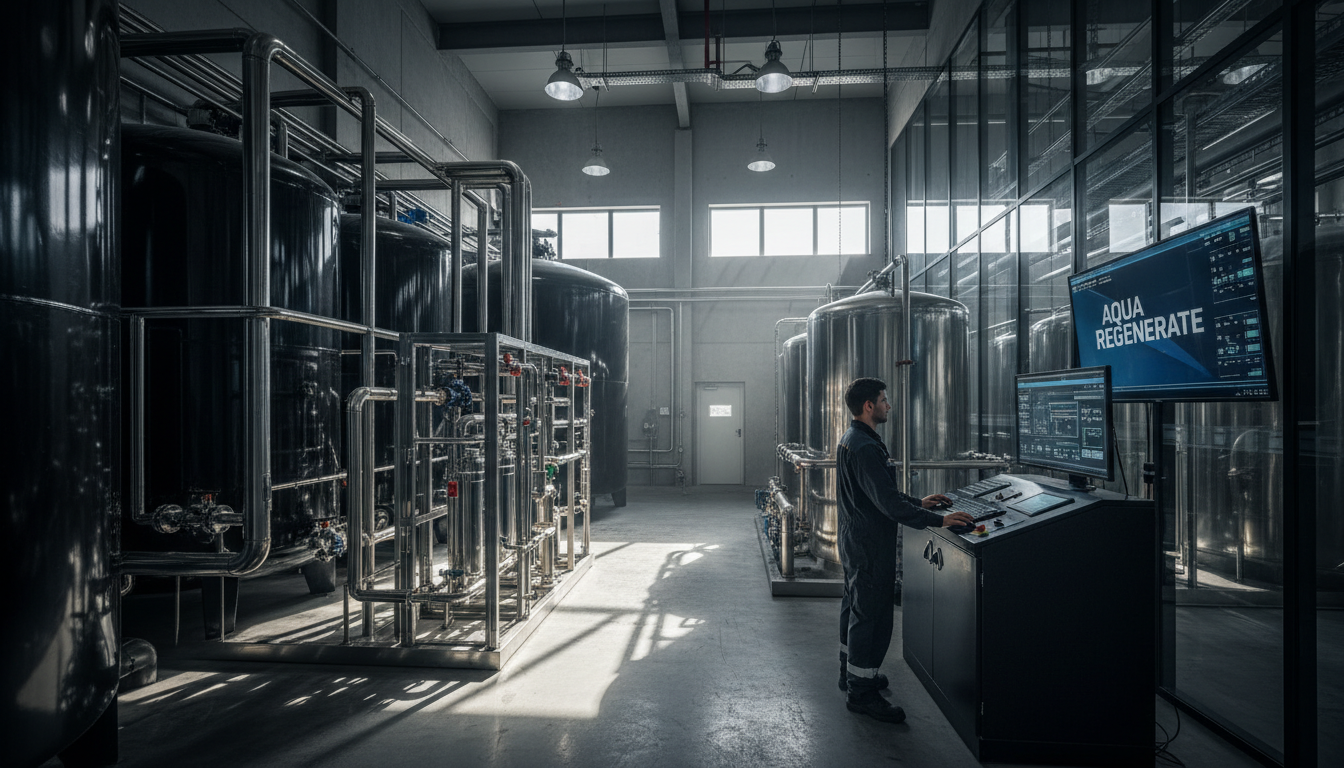
A comprehensive water audit is the first step in understanding water usage patterns and identifying areas for improvement. This involves assessing the water flow throughout the facility, from input to output, and pinpointing areas where water waste occurs. By conducting a detailed audit, industries can develop targeted strategies to reduce consumption.
Regular monitoring of water usage can help detect leaks, inefficient processes, or equipment malfunctions. Addressing these issues promptly can lead to significant water savings.

Implementing Water-Efficient Technologies
Adopting water-efficient technologies can greatly reduce water consumption. Industries can invest in advanced cooling systems, water recycling units, and high-efficiency equipment to minimize water use. Technologies such as reverse osmosis and membrane filtration are effective in treating and reusing wastewater, turning it into a valuable resource.
- Install automated water control systems to optimize usage.
- Utilize smart sensors to detect leaks and prevent water loss.
- Incorporate water-saving fixtures in restrooms and other facilities.
Recycling and Reusing Water
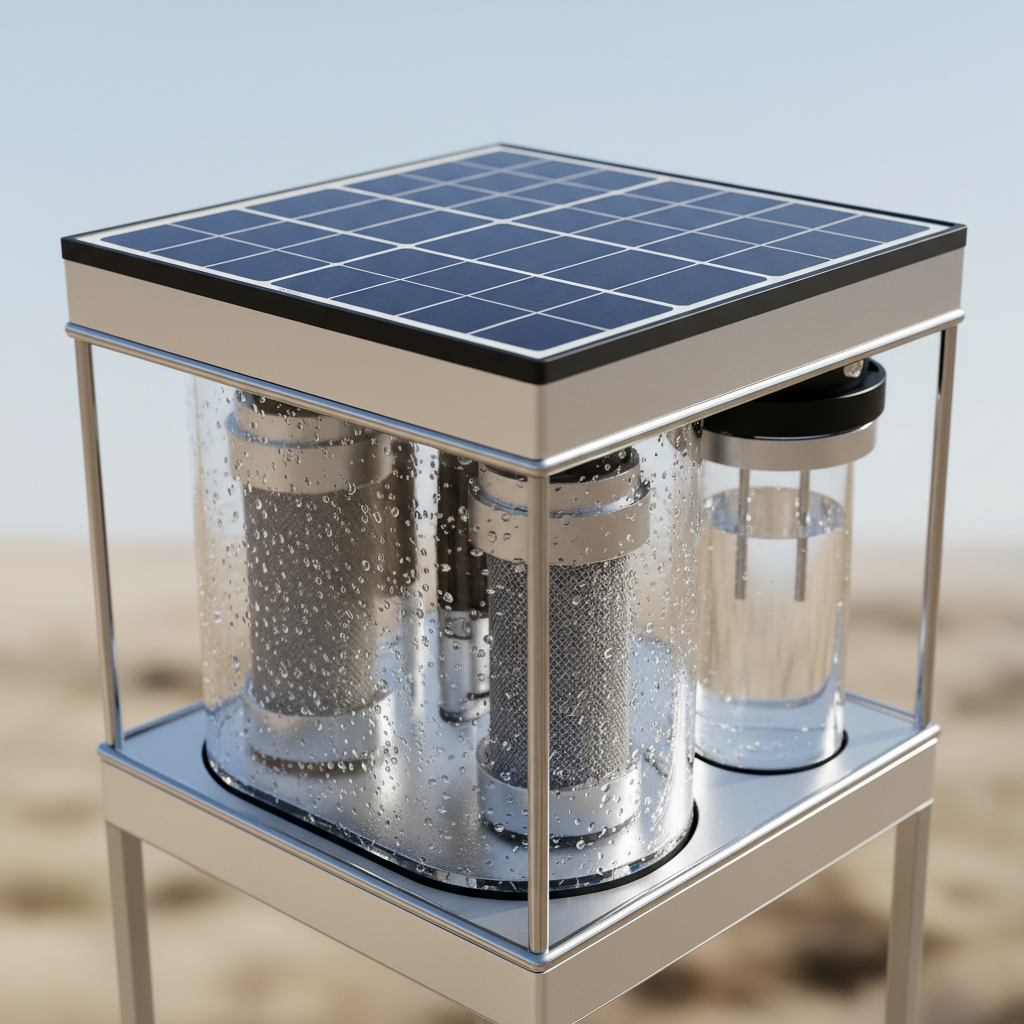
Recycling and reusing water within industrial processes can lead to substantial conservation of resources. By treating wastewater, industries can reuse it for non-potable applications, such as cooling and cleaning. This not only reduces freshwater demand but also lowers the volume of wastewater discharged into the environment.
Companies can establish water recycling goals and track progress to ensure continuous improvement in their conservation efforts. Implementing a circular water management system can set a benchmark for sustainability in the industry.
Employee Engagement and Training
Employee involvement is crucial for successful water conservation. Regular training sessions and workshops can educate workers on the importance of water saving and the role they play. Encouraging a culture of conservation can lead to innovative ideas and practices from employees themselves.
Providing incentives for water-saving suggestions and achievements can further motivate staff to actively participate in conservation efforts. A collective approach ensures that everyone in the organization contributes to reducing water usage.

Monitoring and Reporting
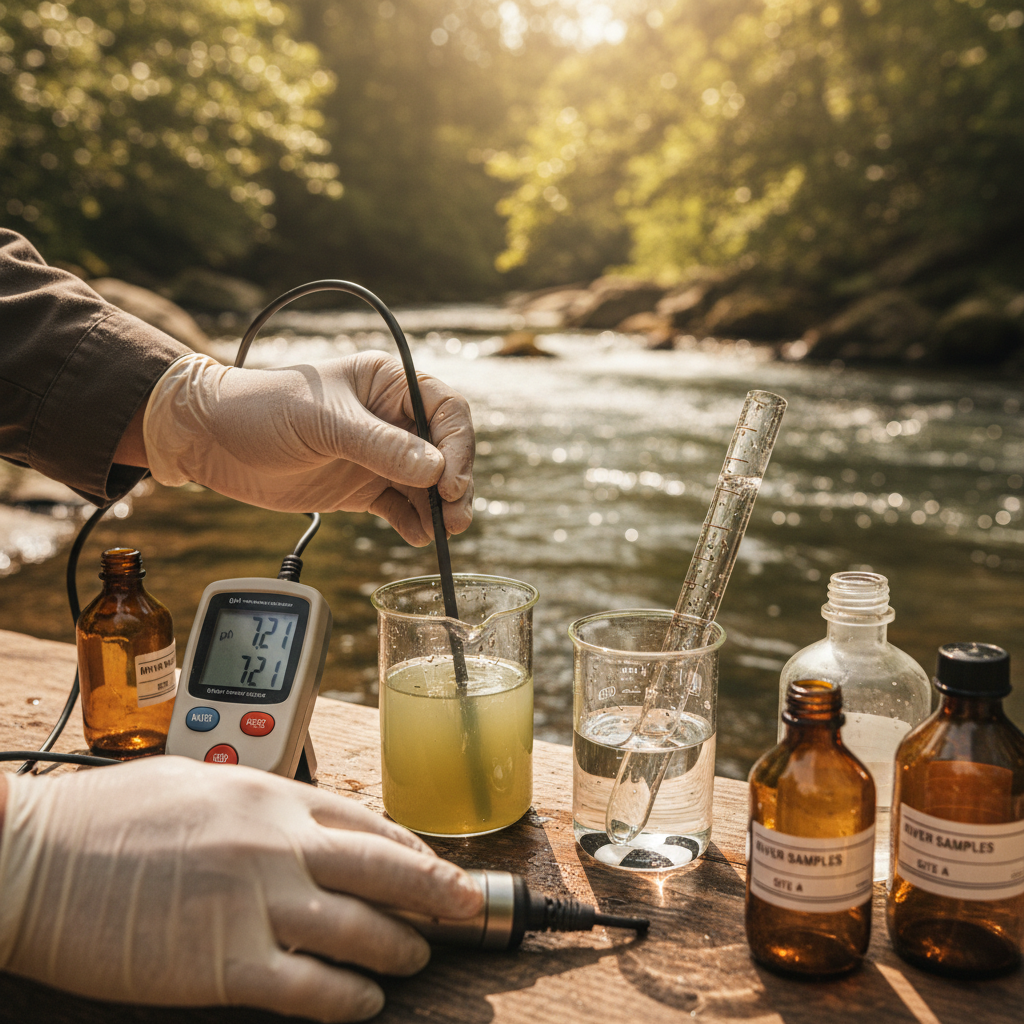
Continuous monitoring and transparent reporting can help industries track their progress in water conservation. By setting clear benchmarks and regularly reviewing performance, companies can adjust their strategies as needed to improve efficiency. Detailed reports also demonstrate commitment to sustainability to stakeholders and customers.
Using data analytics can provide insights into usage patterns and help predict future water needs, allowing for proactive measures to be implemented.
Implementing these water conservation techniques can significantly impact an industry’s water usage, leading to cost savings, regulatory compliance, and a positive environmental impact. As the demand for water continues to rise, adopting sustainable practices in the industrial sector becomes not just beneficial but necessary.