Success Stories: Implementing Zero Liquid Discharge in Chemical Manufacturing


Introduction to Zero Liquid Discharge
In the ever-evolving world of chemical manufacturing, sustainability and environmental responsibility have become pivotal. One of the most effective strategies to achieve these goals is the implementation of Zero Liquid Discharge (ZLD). This innovative approach ensures that no liquid waste is discharged into the environment, significantly reducing pollution and conserving valuable resources.
ZLD is a comprehensive water treatment process that involves several key stages, such as evaporation and crystallization. These processes enable facilities to recover and reuse water, while safely disposing of solid waste. In this blog post, we explore success stories in the chemical manufacturing industry that have effectively implemented ZLD, highlighting the benefits and challenges faced along the way.
Case Study: A Leading Chemical Manufacturer
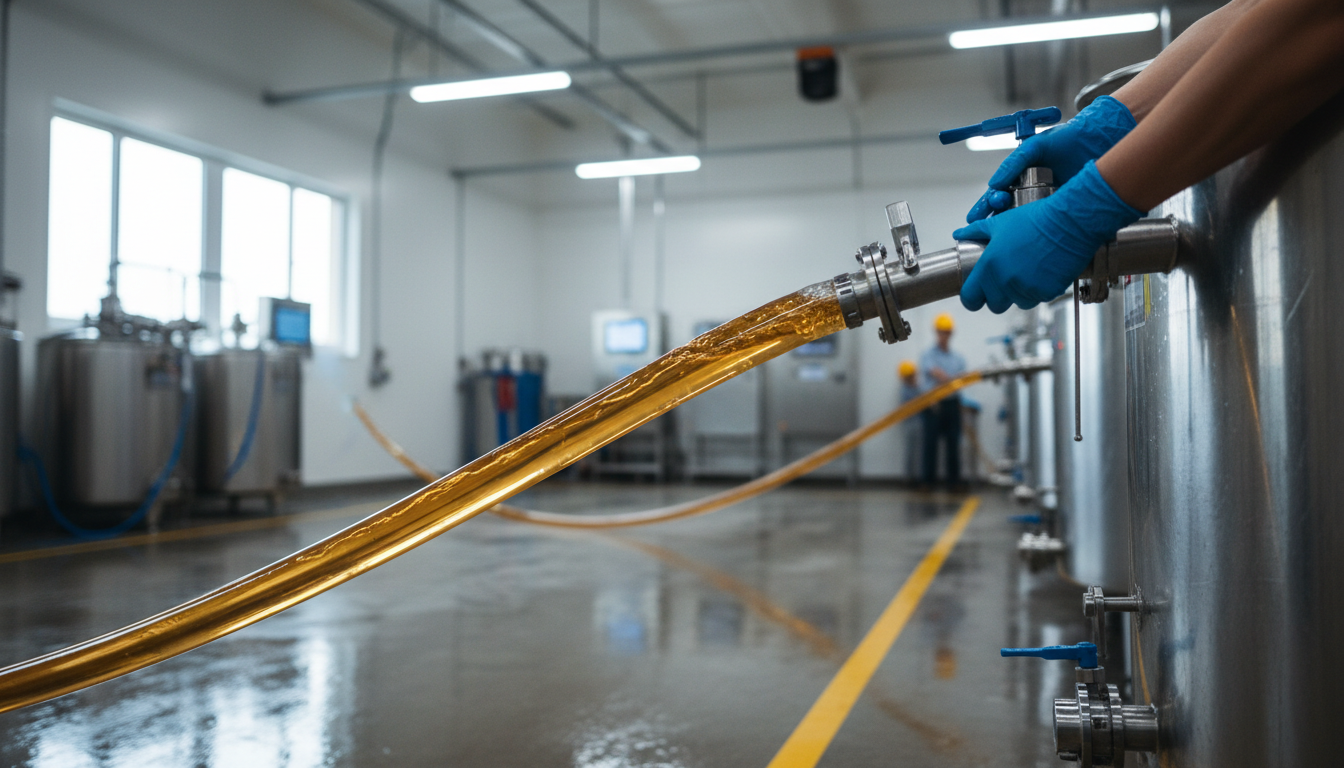
One of the most notable success stories comes from a leading chemical manufacturer that decided to implement ZLD to address regulatory pressures and enhance sustainability. The company invested in advanced technology that allowed them to treat and reuse over 95% of their wastewater, significantly reducing their environmental footprint.
The implementation of ZLD not only helped the company comply with stringent regulations but also improved their corporate image as an environmentally responsible entity. This move has provided them with a competitive edge in the market, attracting environmentally conscious clients and investors.
Challenges and Solutions
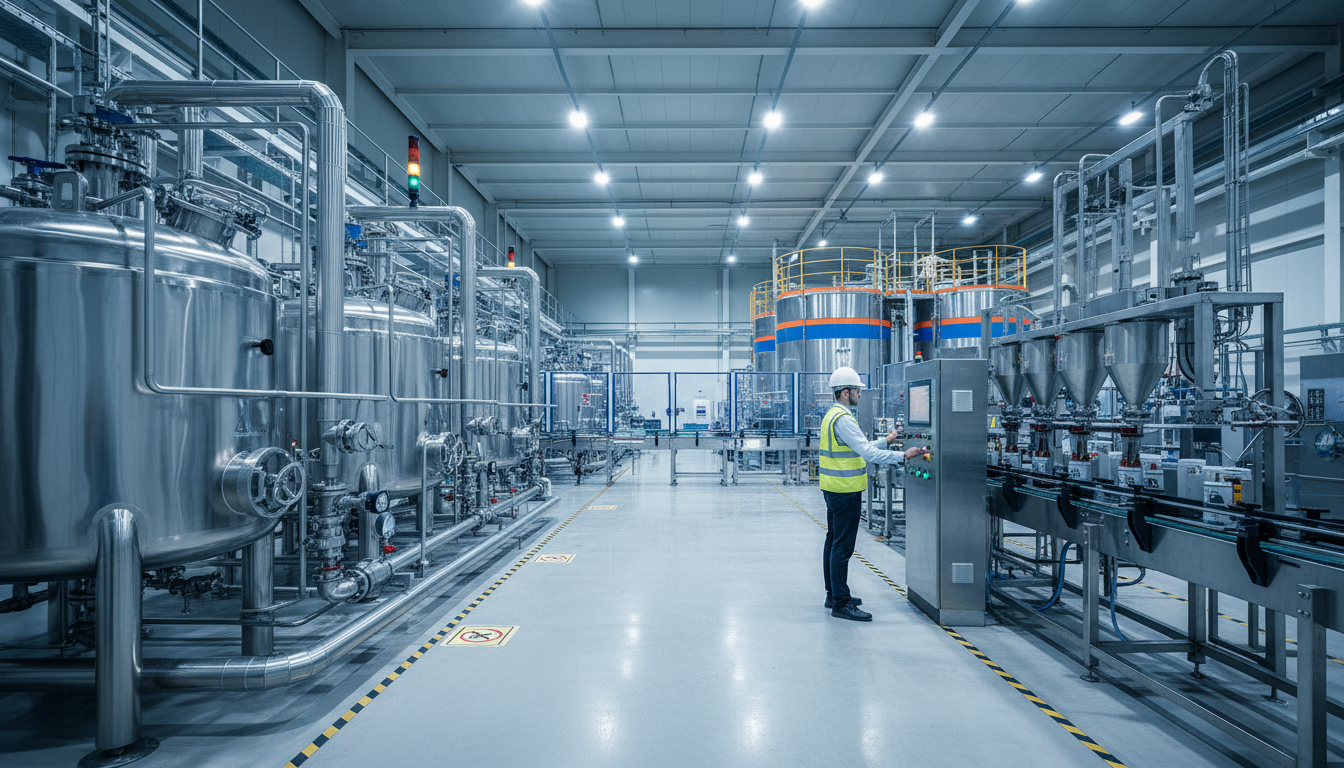
Implementing ZLD is not without its challenges. The initial investment can be substantial, and the complexity of the technology requires skilled personnel for operation and maintenance. However, this company overcame these hurdles by partnering with technology providers and conducting extensive training for their staff.
They also leveraged government incentives and subsidies aimed at promoting sustainable practices in the industry. This strategic approach not only mitigated the financial burden but also ensured a smooth transition to more sustainable operations.
The Benefits of Zero Liquid Discharge
The benefits of ZLD extend beyond environmental sustainability. By recovering and reusing water, companies can achieve significant cost savings in water procurement and waste management. Furthermore, many companies report increased operational efficiency as a direct result of implementing ZLD.
Additionally, adopting ZLD can lead to enhanced brand reputation. With consumers increasingly prioritizing sustainability, companies that demonstrate a commitment to reducing their environmental impact often enjoy stronger brand loyalty and customer trust.
Future Trends in ZLD Implementation
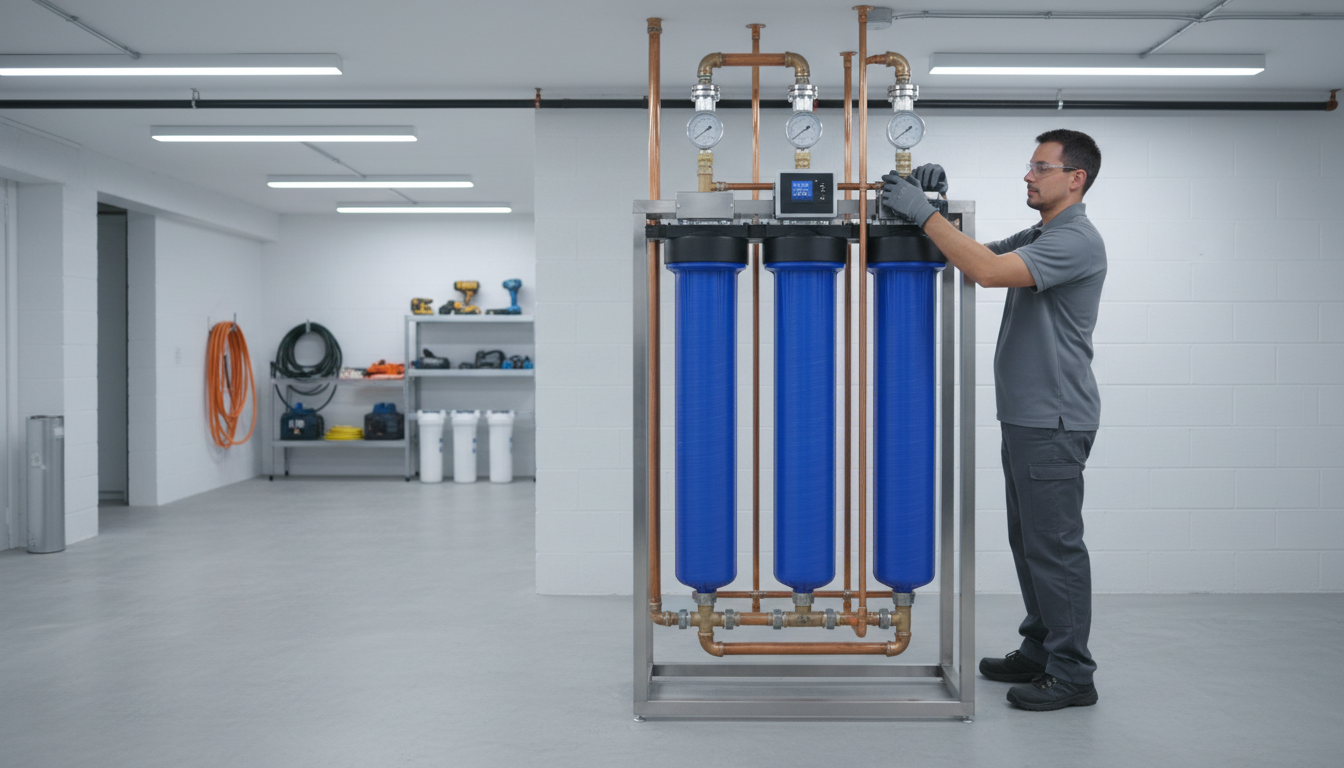
As technology continues to advance, the future of ZLD in chemical manufacturing looks promising. Innovations in membrane technology, energy recovery, and automation are expected to reduce costs and improve efficiency even further. These advancements will make ZLD more accessible to a wider range of manufacturers, fostering a more sustainable industry.
Moreover, increased collaboration between industry leaders and technology providers will drive the development of customized ZLD solutions tailored to specific needs, ensuring wider adoption across the sector.
Conclusion
The successful implementation of Zero Liquid Discharge in chemical manufacturing serves as an inspiring example of how industries can evolve towards more sustainable practices. By overcoming challenges and embracing innovative solutions, companies not only contribute to environmental preservation but also enhance their market position and operational efficiency.
As the demand for sustainable manufacturing continues to grow, the move towards ZLD is expected to become a standard practice, driving the industry towards a greener and more responsible future.