Sedimentation and Clarification Systems in Wastewater Treatment


Introduction to Wastewater Treatment
Wastewater treatment is an essential process in modern society, ensuring that water is purified and safe for the environment before being released back into natural water bodies. Among the various stages of wastewater treatment, sedimentation and clarification play a crucial role in removing solid particles from the water. Understanding these processes can help in appreciating the complex systems that keep our water clean.
What is Sedimentation?
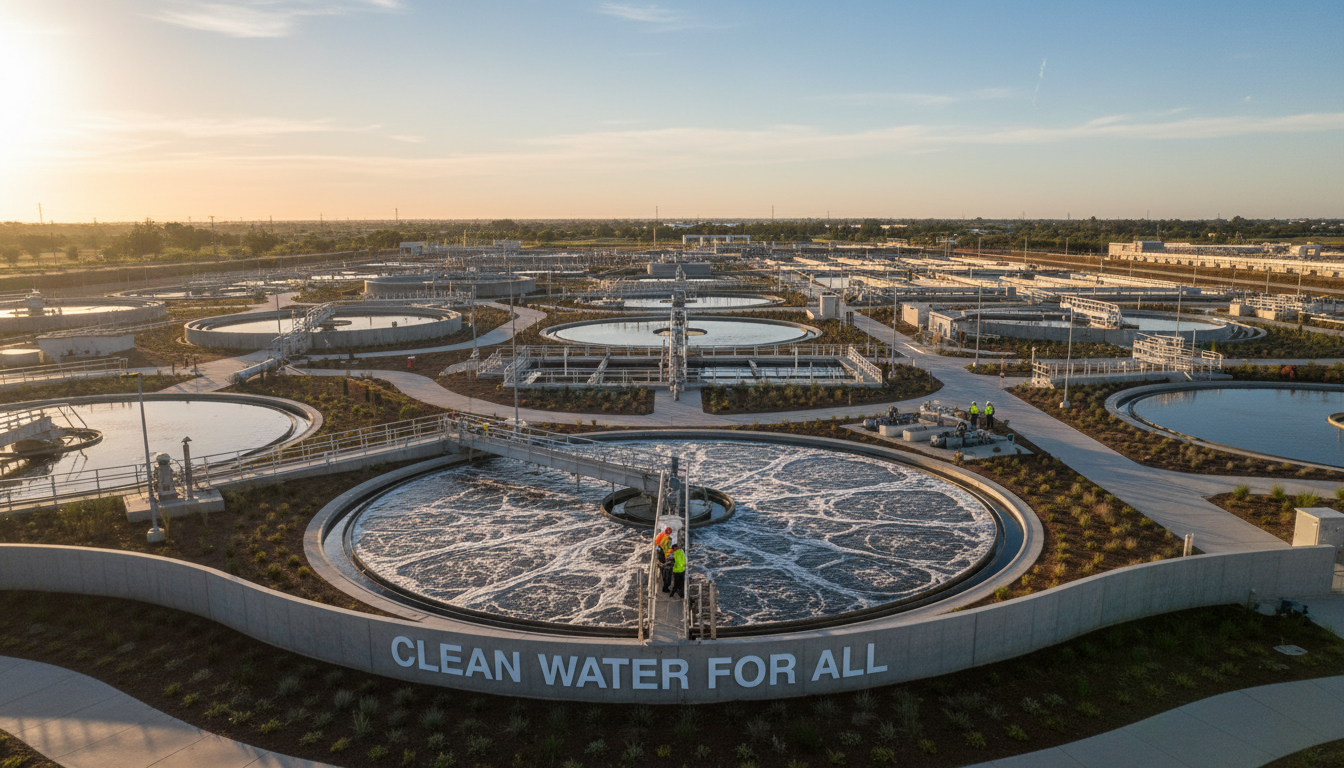
Sedimentation is a physical water treatment process used to remove suspended solids through gravity. As wastewater enters a sedimentation tank, heavier particles settle at the bottom due to gravity, forming a layer of sludge. This sludge is periodically removed to maintain the efficiency of the treatment system.
Types of Sedimentation Tanks
There are several types of sedimentation tanks, each designed for specific purposes:
- Rectangular Tanks: These are commonly used for primary sedimentation and are designed to handle large volumes of water.
- Circular Tanks: Often used in secondary sedimentation, these tanks offer a more compact design.
- Inclined Plate Settlers: These are used to enhance the sedimentation process by providing more surface area.
The Role of Clarification
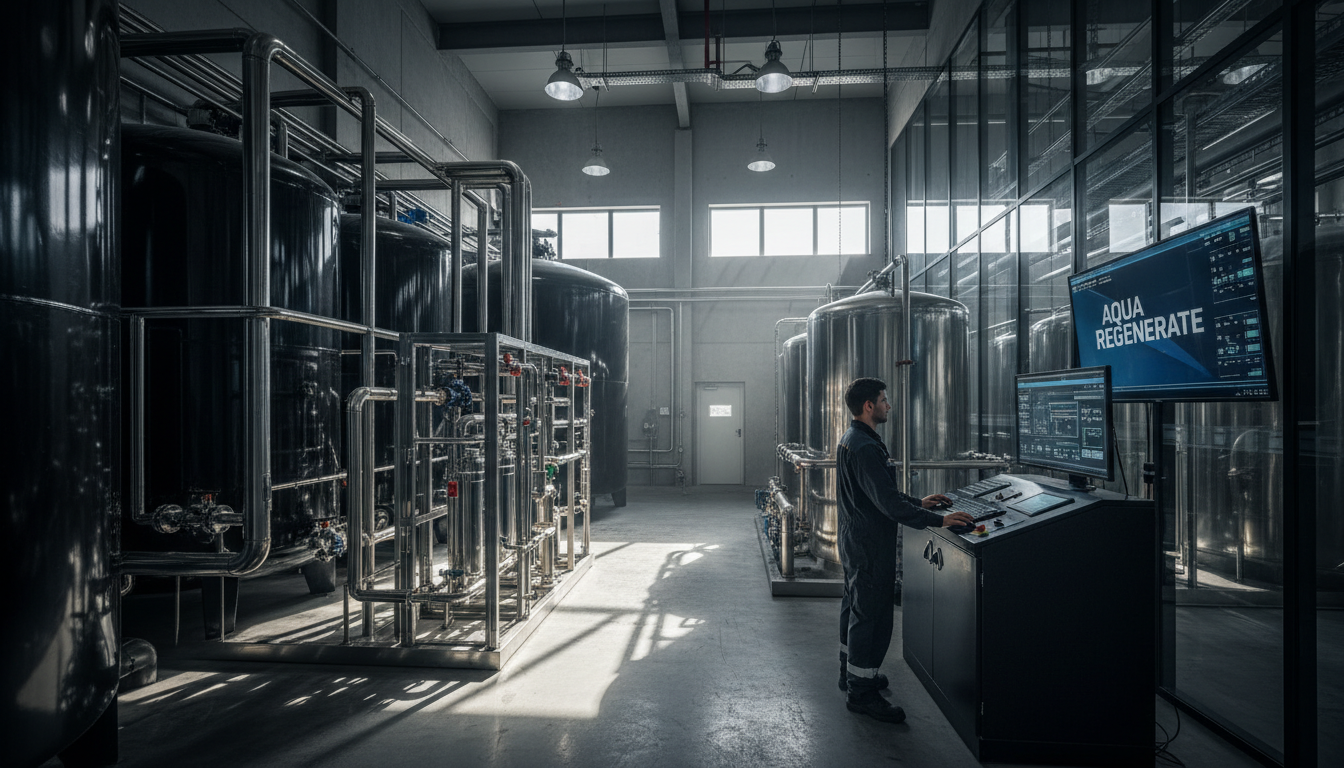
Clarification is the subsequent step following sedimentation. It involves the removal of fine particles and impurities that remain in the water. Clarifiers are designed to promote the settling of these smaller particles, ensuring clearer water as the end product.
How Clarifiers Work
Clarifiers utilize a combination of mechanical and chemical processes. Coagulants and flocculants are often added to the water to bind small particles together, forming larger clusters that are easier to remove. The clarified water is then collected as the heavier clusters settle to the bottom.
Benefits of Sedimentation and Clarification
The combined processes of sedimentation and clarification offer numerous benefits in wastewater treatment:
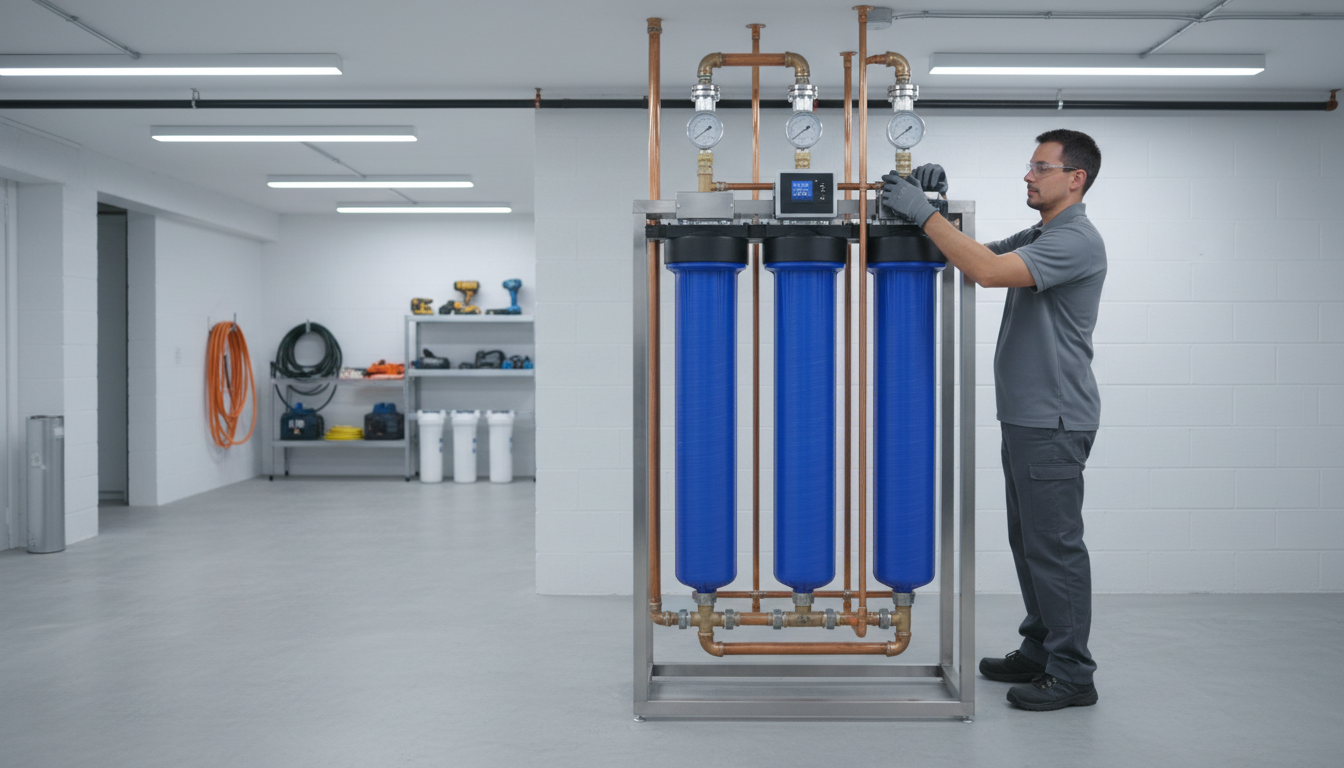
- Improved Water Quality: By effectively removing solids and impurities, these processes significantly improve the quality of the treated water.
- Cost-Efficiency: Utilizing natural gravitational forces reduces the need for complex equipment, making it a cost-effective solution.
- Environmental Protection: Clean water discharge minimizes the impact on aquatic ecosystems.
Challenges and Considerations
Despite their advantages, sedimentation and clarification systems also face challenges. Factors such as flow rates, tank design, and chemical usage must be carefully managed to maintain efficiency. Regular maintenance and monitoring are essential to address these challenges effectively.
Conclusion
Understanding sedimentation and clarification systems is vital for those involved in wastewater management. These processes are critical in ensuring that wastewater treatment is both effective and efficient, ultimately contributing to a healthier environment. As technology advances, continuous improvements in these systems promise even greater results in the future.