Nanofiltration Plants


Understanding Nanofiltration Technology
Nanofiltration is a cutting-edge water purification process that bridges the gap between ultrafiltration and reverse osmosis. It utilizes a semi-permeable membrane to remove contaminants, offering an effective solution for water treatment. This technology is gaining traction due to its efficiency in removing ions, organic molecules, and even small particles.

Key Advantages of Nanofiltration Plants
One of the primary benefits of nanofiltration plants is their ability to deliver high-quality water by removing a wide range of impurities. These plants can effectively reduce hardness, which is often caused by calcium and magnesium ions. This makes the water softer and more suitable for various applications, from industrial to domestic use.
Moreover, nanofiltration offers a cost-effective solution. With lower energy requirements compared to reverse osmosis, it reduces operational costs while maintaining high performance. This makes it an attractive option for industries looking to optimize their water treatment processes.
Environmental Impact and Sustainability
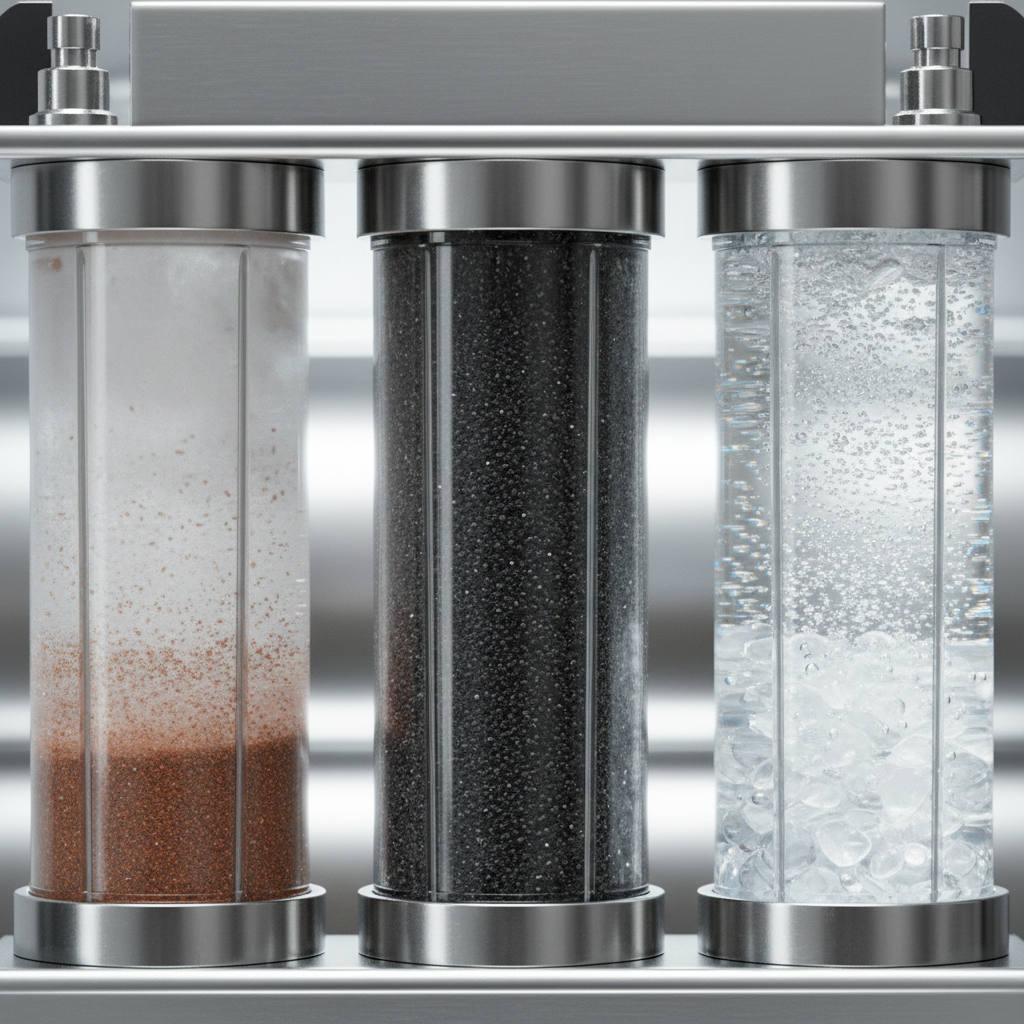
Nanofiltration plants significantly contribute to environmental sustainability. By reducing the need for chemical treatments, these systems minimize chemical waste and lower the carbon footprint associated with water purification. Furthermore, they require less energy, making them a more sustainable choice overall.
In addition, nanofiltration processes can be integrated with existing systems, enhancing their efficiency without the need for large-scale overhauls. This adaptability ensures that industries can transition smoothly to more sustainable practices.

Applications Across Various Industries
Nanofiltration technology is versatile and finds applications across a myriad of industries. In the food and beverage sector, it ensures the removal of unwanted salts and contaminants, improving product quality. The textile industry benefits from its ability to recycle water, reducing overall water consumption.
Additionally, nanofiltration is invaluable in the pharmaceutical industry, where purity is paramount. It ensures that water used in production processes meets stringent quality standards, safeguarding product integrity and consumer safety.
Challenges and Considerations
While nanofiltration offers numerous advantages, there are challenges to consider. The initial setup cost can be significant, and the membranes require regular maintenance to ensure longevity and efficiency. However, the long-term benefits often outweigh these initial investments.
Choosing the right system tailored to specific needs is crucial. Consulting with experts ensures that the implementation is both effective and economically viable, maximizing the benefits of nanofiltration technology.
The Future of Nanofiltration
As technological advancements continue, the future of nanofiltration looks promising. Research and development are focused on enhancing membrane materials, improving filtration efficiency, and reducing costs. These innovations will likely expand the scope of applications and make nanofiltration even more accessible.
With a growing emphasis on water conservation and sustainability, nanofiltration plants are set to play a pivotal role in addressing global water challenges. They represent a step forward in the pursuit of cleaner, safer, and more sustainable water solutions.