How to Achieve Zero Liquid Discharge: A Step-by-Step Process


Understanding Zero Liquid Discharge (ZLD)
Zero Liquid Discharge (ZLD) is an advanced wastewater treatment process designed to eliminate liquid waste, ensuring that no effluent is discharged into the environment. By achieving ZLD, industries can conserve water, reduce pollution, and comply with environmental regulations.
Implementing ZLD involves several steps, each crucial for the efficient and effective treatment of wastewater. This post will guide you through the process, highlighting essential techniques and technologies.
Pre-Treatment of Wastewater
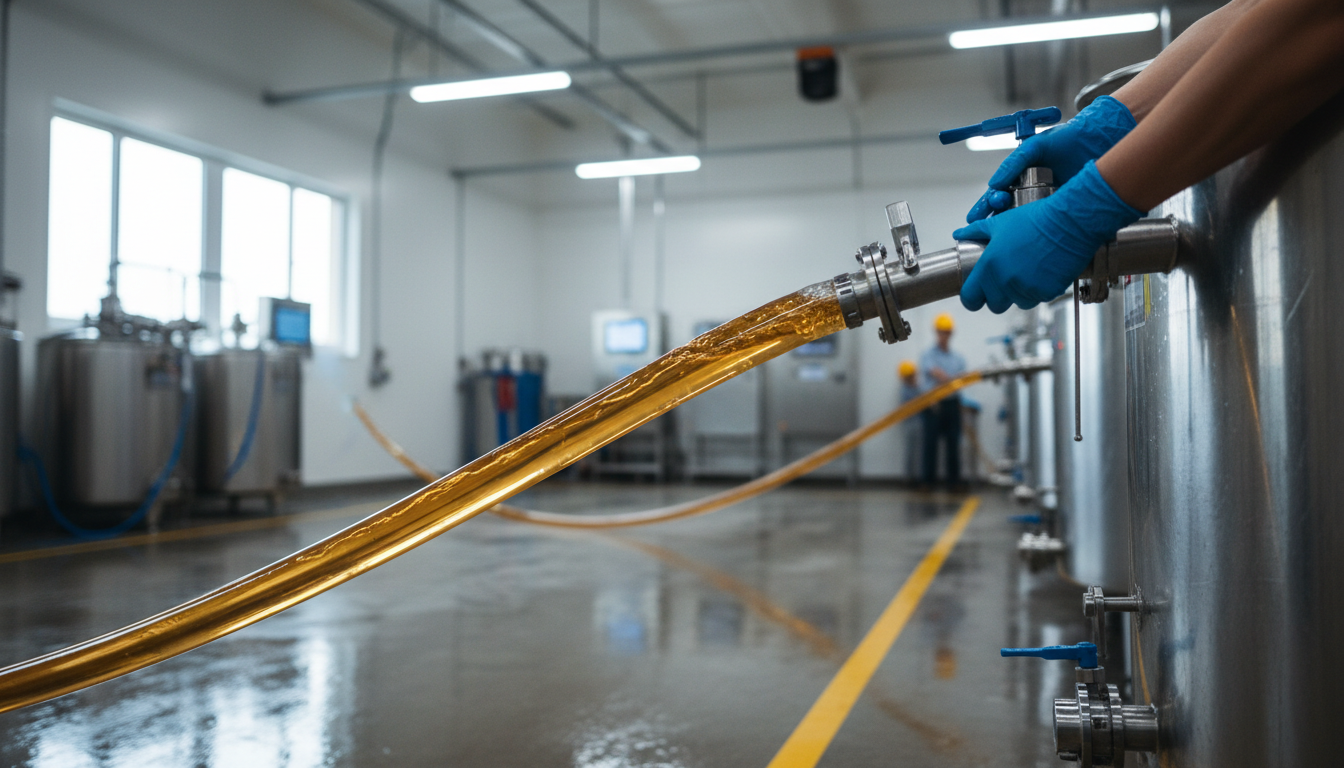
The initial stage of achieving ZLD involves the pre-treatment of wastewater. This process removes large particles and contaminants, preparing the water for further treatment. Common methods include:
- Screening: Removing large debris and sediments.
- pH Adjustment: Balancing the pH level to optimize further treatment processes.
- Coagulation and Flocculation: Aggregating suspended particles into larger masses for easy removal.
Evaporation and Crystallization
Once the water is pre-treated, evaporation and crystallization are employed to concentrate and solidify dissolved salts and minerals. These processes are vital for reducing the liquid content and recovering valuable resources.
Evaporators are used to heat the wastewater, causing the water to evaporate and leaving behind concentrated brine. The evaporated water is then condensed and collected for reuse.
Crystallizers
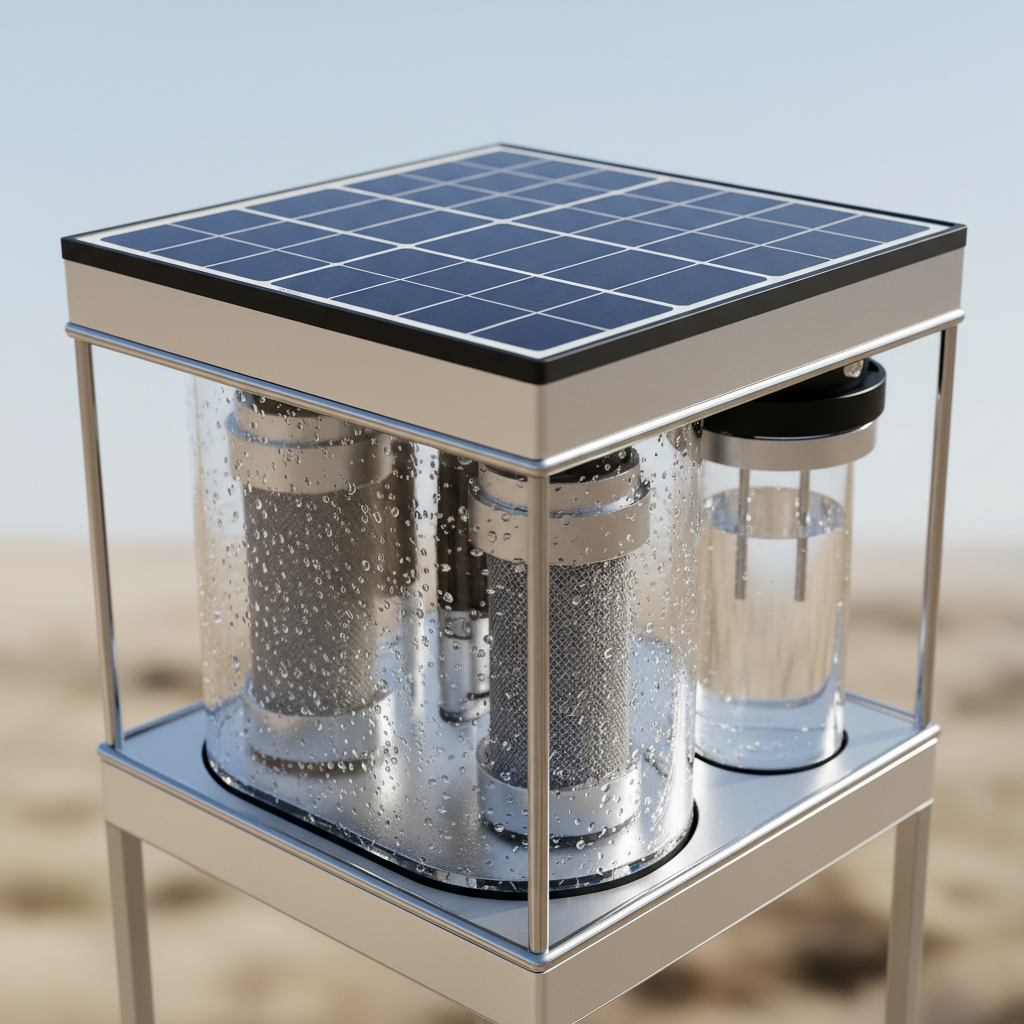
The concentrated brine from the evaporation process is further treated using crystallizers. These systems cool the brine, allowing dissolved salts to crystallize and separate from the liquid. The solid crystals are removed and disposed of or recycled, depending on their composition.
Both evaporators and crystallizers are energy-intensive, so optimizing energy efficiency is critical for the sustainability of the ZLD process.
Water Recovery and Reuse
The ultimate goal of ZLD is to recover and reuse as much water as possible. The condensed water from the evaporation process is treated to meet the required quality standards. It can then be reused in industrial processes, irrigation, or other applications, significantly reducing the demand for fresh water.
Monitoring and Maintenance
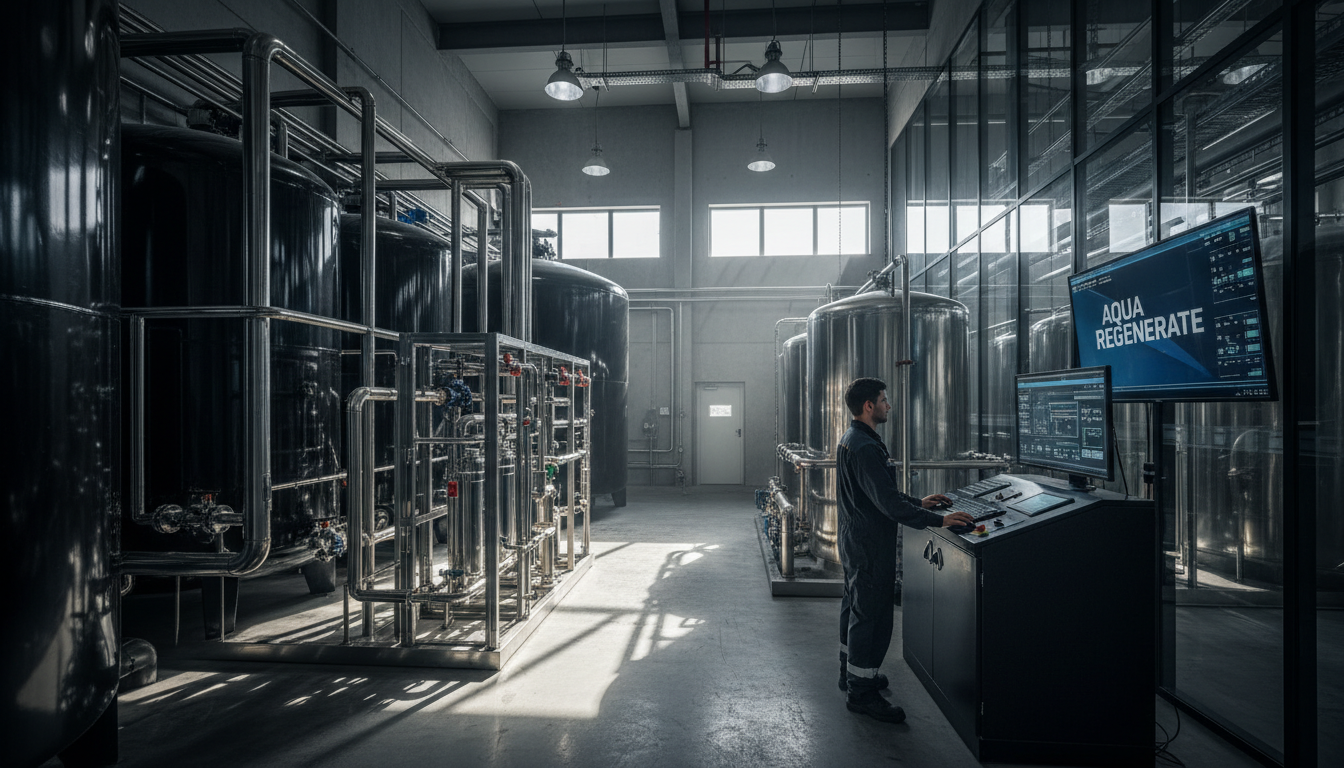
Achieving and maintaining ZLD requires continuous monitoring and maintenance. Regular inspections ensure that all equipment functions optimally and any issues are addressed promptly. Advanced sensors and automation technologies can aid in real-time monitoring, making the process more efficient.
Implementing a successful ZLD system is a complex but rewarding endeavor. By following these steps, industries can significantly reduce their environmental impact, conserve resources, and comply with regulations, all while benefiting from the economic advantages of water reuse.