How to Achieve Zero Liquid Discharge: A Step-by-Step Approach


Understanding Zero Liquid Discharge (ZLD)
Zero Liquid Discharge (ZLD) is an advanced wastewater management strategy that ensures no liquid waste leaves the facility. This approach is crucial for industries aiming to minimize environmental impact and conserve water resources. By achieving ZLD, companies can significantly reduce their water footprint and comply with stringent environmental regulations.
The process involves treating and recycling wastewater to the point where all water is reused, and only solid waste is left for disposal. Implementing ZLD can be complex, but with a structured approach, it becomes manageable.
Initial Assessment and Planning
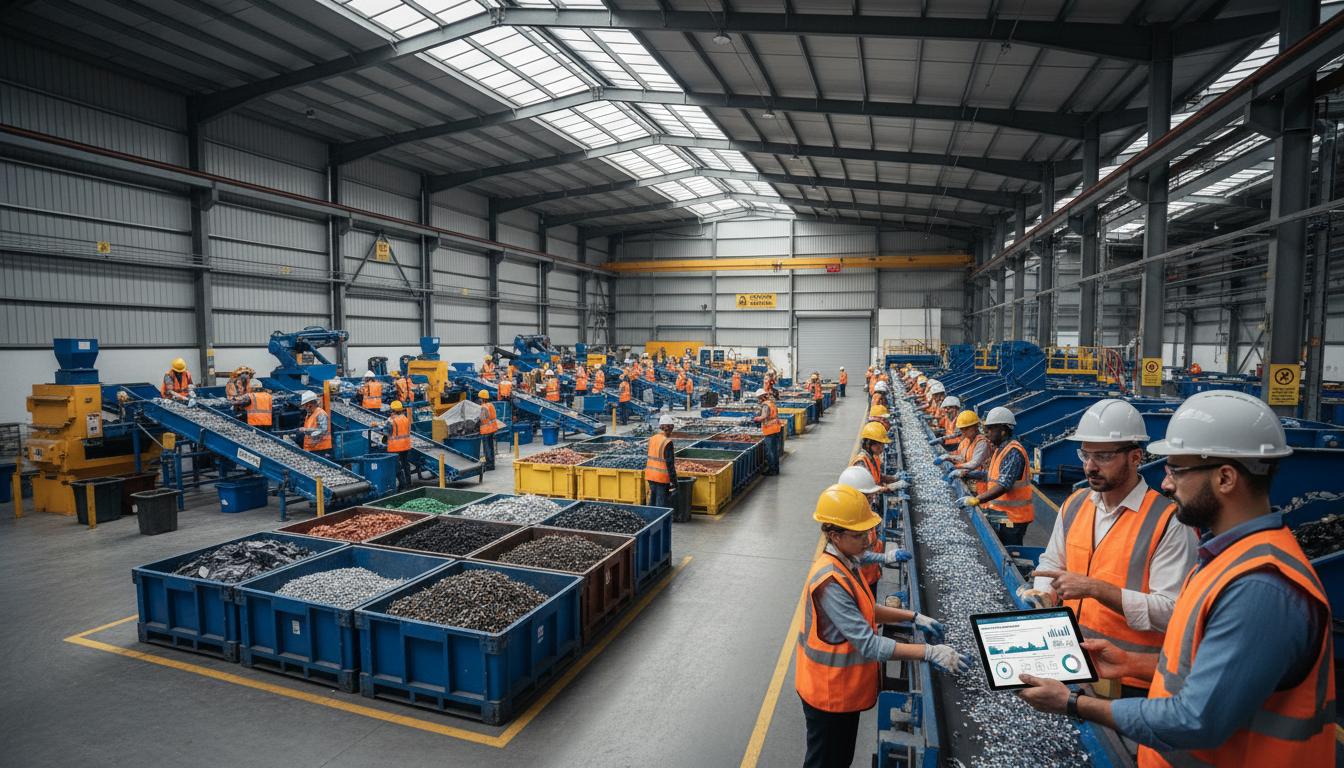
The first step towards achieving ZLD is conducting a thorough assessment of your current wastewater management system. This involves analyzing the volume and composition of your wastewater streams. Understanding these factors will help in designing an effective ZLD system tailored to your needs.
Once the assessment is complete, the next step is planning. Develop a detailed plan outlining the necessary technologies and processes. This plan should include cost estimates, timelines, and resource allocations to ensure a smooth transition to ZLD.
Selecting the Right Technologies
Choosing the right technologies is crucial in the ZLD process. Common technologies include:
- Evaporation: Uses heat to convert water into vapor, leaving behind solid residues.
- Reverse Osmosis: Filters impurities from water using a semi-permeable membrane.
- Crystallization: Solidifies dissolved salts from wastewater.
Implementation of ZLD Systems
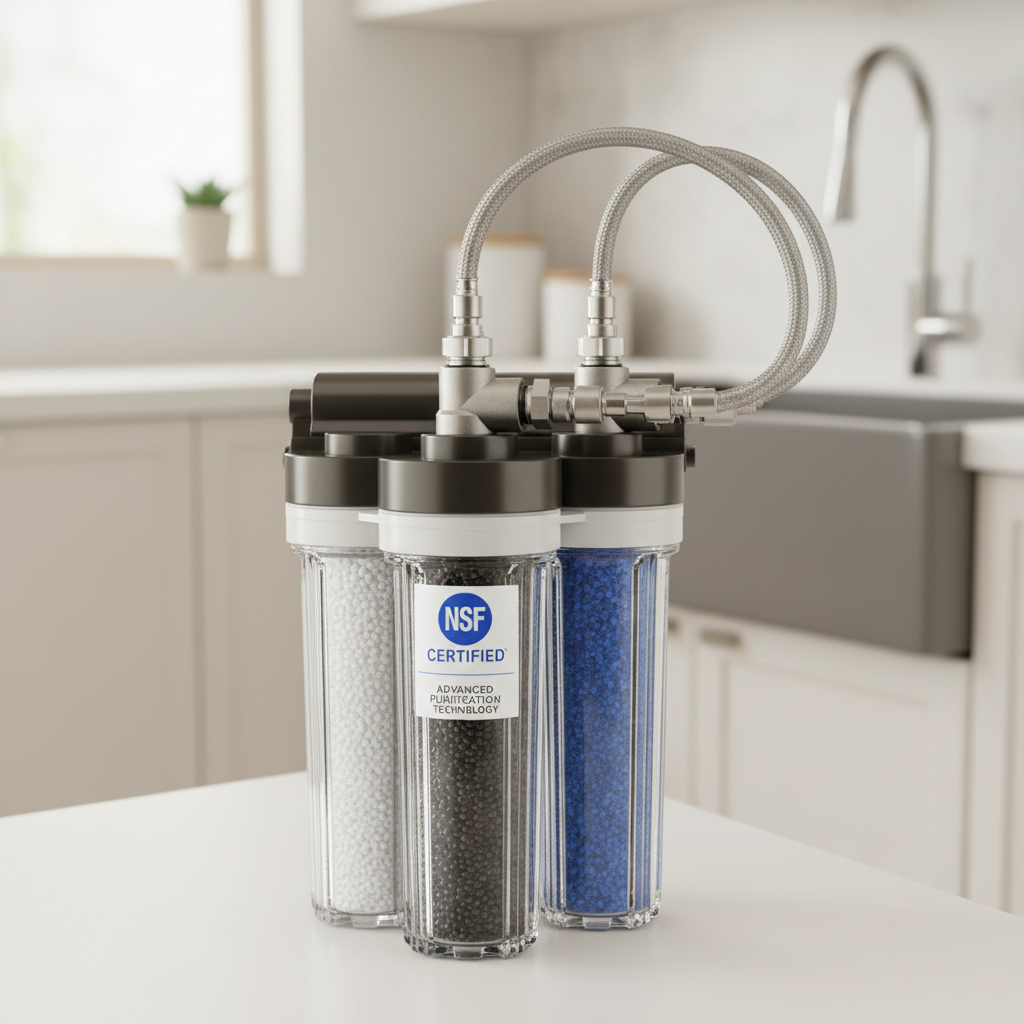
With the technologies selected, the next step is the implementation of the ZLD system. This involves installing the necessary equipment and integrating it with existing systems. It's crucial to ensure that the system is flexible enough to handle varying wastewater volumes and compositions.
Testing and calibration are essential parts of implementation. Conduct thorough testing to ensure the system operates efficiently and meets all regulatory standards.
Operational Considerations
Once the system is operational, monitor it closely to ensure optimal performance. Regular maintenance and adjustments may be necessary to accommodate changes in wastewater characteristics or production processes.

Monitoring and Continuous Improvement
Achieving ZLD is not a one-time task; it requires ongoing monitoring and improvement. Implement a robust monitoring system to track the performance of your ZLD system. Use data analytics to identify areas for improvement and make informed decisions.
Continuous training for staff involved in the operation and maintenance of the ZLD system is also important. Keeping your team informed about the latest technologies and practices will ensure long-term success.
Benefits of Achieving ZLD
Successfully implementing a ZLD system offers numerous benefits, including:
- Environmental Compliance: Meet regulatory standards and reduce environmental impact.
- Water Conservation: Reuse and recycle water, reducing overall consumption.
- Cost Savings: Lower waste disposal costs and potential water purchase costs.
By following these steps, industries can effectively implement a Zero Liquid Discharge system, contributing to a more sustainable future.