How to Achieve Cost-Effective Effluent Management Solutions in Gujarat


Understanding Effluent Management
Effluent management is a crucial aspect for industries in Gujarat, focusing on minimizing the environmental impact of waste discharge. It involves treating wastewater to meet regulatory standards before it is released into the environment. Implementing cost-effective solutions can help industries comply with laws while reducing operational costs.
Effluent treatment becomes necessary due to stringent environmental regulations. Industries must ensure that their effluent management systems are not only efficient but also economically viable. This post explores strategies to achieve cost-effective solutions in Gujarat.
Adopting Advanced Technologies
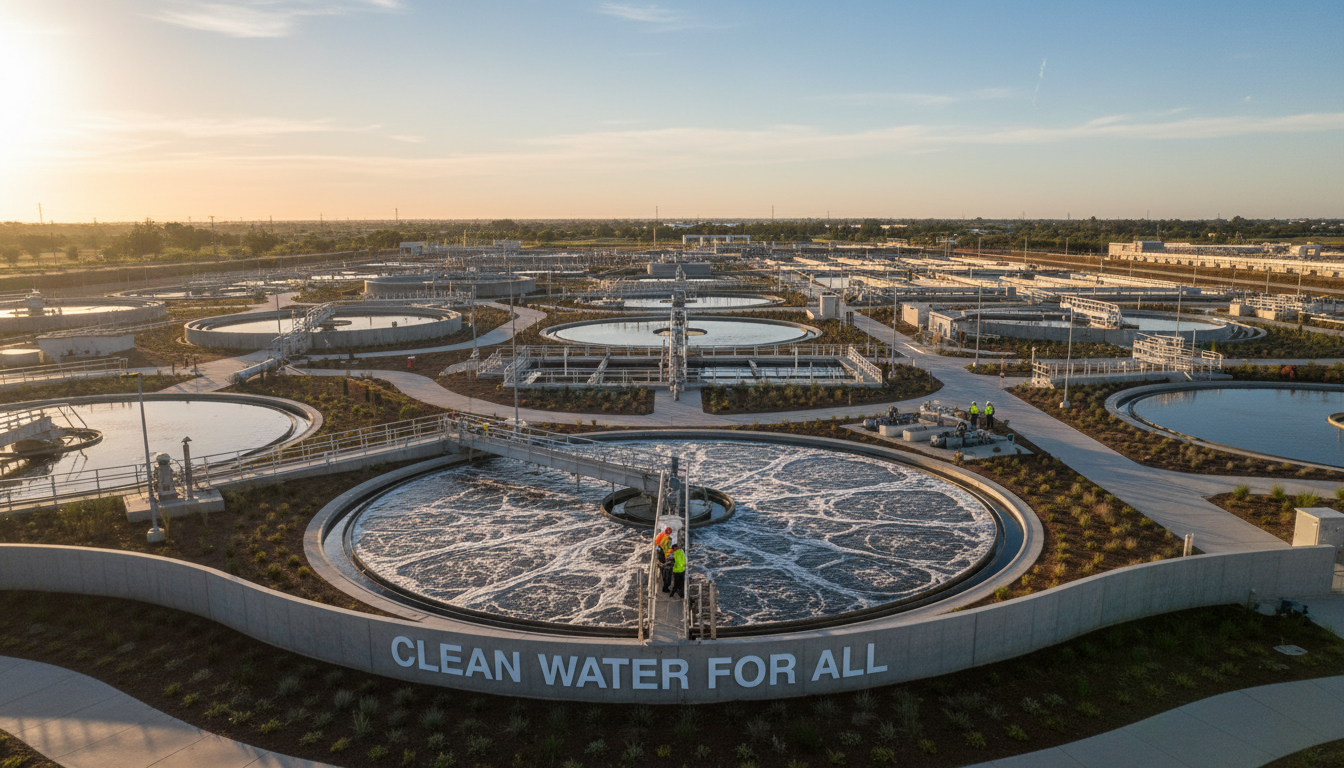
One of the most effective ways to reduce effluent management costs is by adopting advanced technologies. Innovations like membrane bioreactors, reverse osmosis, and UV disinfection can significantly enhance the efficiency of effluent treatment plants. These technologies help in reducing energy consumption and minimizing chemical usage.
Implementing such technologies might require initial investment, but they offer long-term savings by lowering operational costs and improving treatment efficiency. Additionally, they help in achieving higher compliance with environmental standards.
Utilizing Natural Treatment Systems
Natural treatment systems, such as constructed wetlands and bio-filters, can be a cost-effective alternative for effluent management. These systems use natural processes to treat wastewater, requiring less energy and maintenance compared to conventional systems.

By integrating natural treatment systems, industries can reduce their carbon footprint and operational expenses. These systems are particularly useful for small to medium enterprises looking for sustainable solutions in Gujarat.
Implementing Water Reuse and Recycling
Water reuse and recycling are effective strategies for reducing effluent discharge and cutting costs. By treating and reusing wastewater within the production cycle, industries can significantly decrease their freshwater intake and reduce effluent volumes.
Industries in Gujarat can implement closed-loop systems that allow water to be recycled multiple times. This not only reduces water consumption but also lowers effluent treatment costs, making it a win-win solution for businesses and the environment.
Engaging in Regular Maintenance and Monitoring
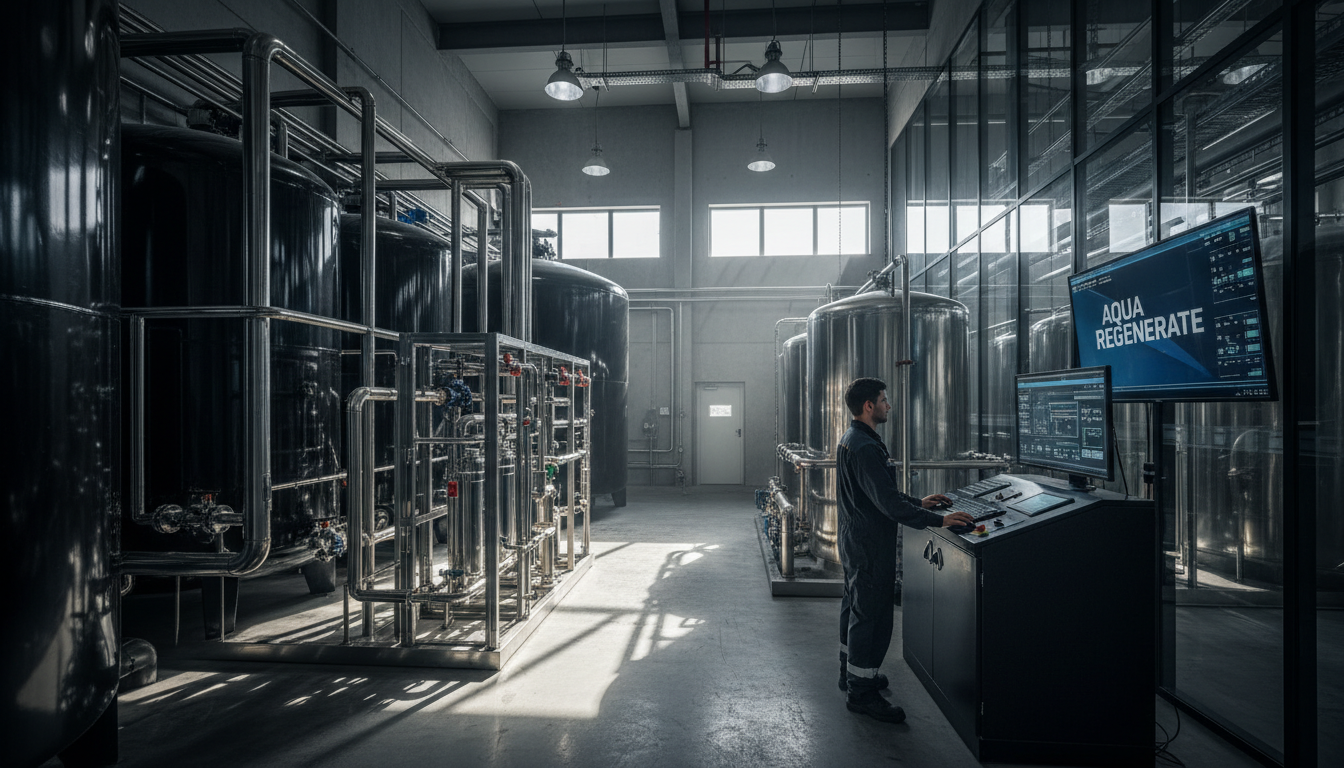
Regular maintenance and monitoring of effluent treatment plants are essential for sustained efficiency. Scheduled inspections and timely repairs can prevent costly breakdowns and ensure that the systems operate at optimal capacity.
Industries should invest in monitoring tools that provide real-time data on effluent quality. This data helps in making informed decisions and ensures compliance with environmental regulations, ultimately saving costs associated with non-compliance penalties.
Collaboration and Training
Collaborating with environmental experts and engaging in staff training can enhance the effectiveness of effluent management strategies. Experts can offer insights into the latest technologies and best practices, while trained personnel can efficiently manage and operate treatment systems.
Training programs can empower employees to identify potential issues early and implement corrective measures swiftly, reducing downtime and operational costs.

In conclusion, achieving cost-effective effluent management solutions in Gujarat requires a combination of advanced technologies, natural systems, water reuse, regular maintenance, and skilled workforce. By adopting these strategies, industries can ensure environmental compliance while optimizing their operational budgets.