Green Standards, Better Business: The Economic Benefits Of Modern ETPs


Understanding Modern ETPs
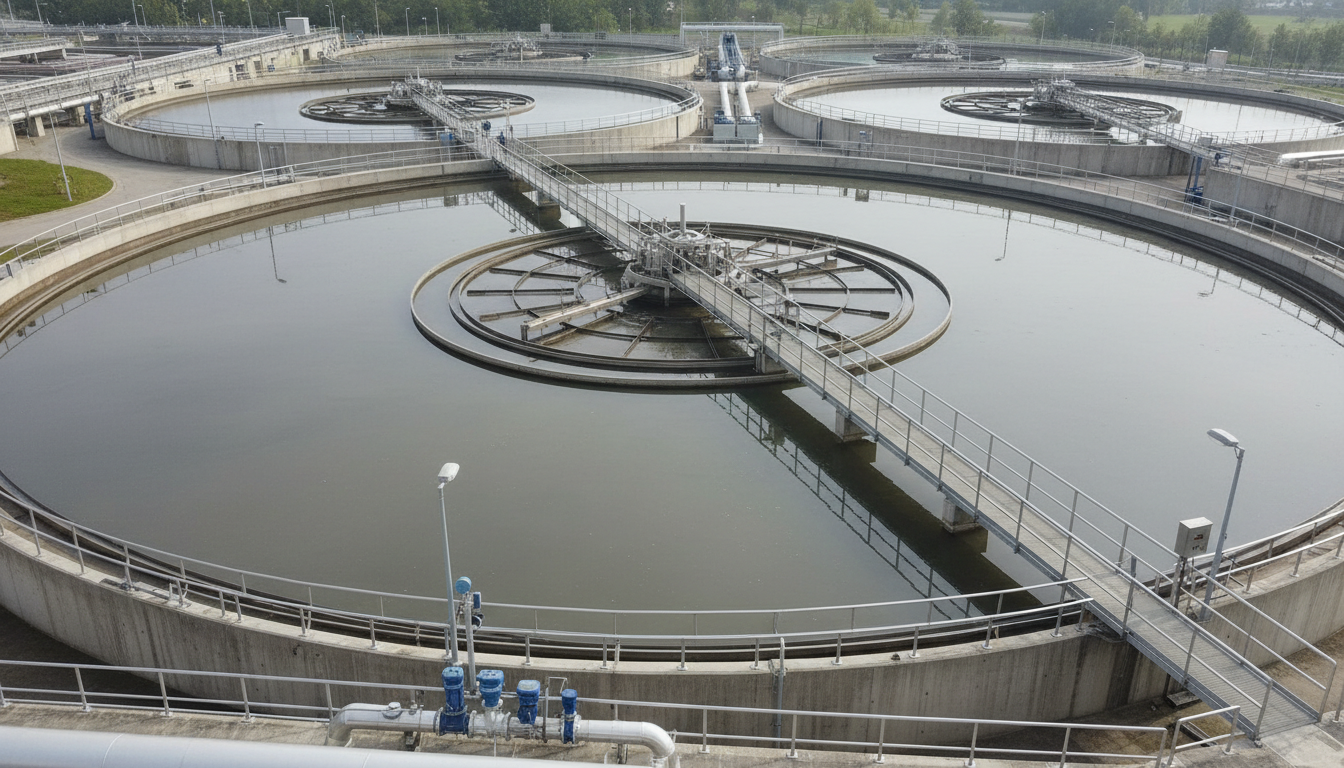
Effluent Treatment Plants (ETPs) are critical components in managing industrial waste, ensuring that harmful pollutants do not contaminate our natural water systems. Modern ETPs are designed with advanced technology that not only meets environmental regulations but also enhances operational efficiency. By adopting these systems, businesses can significantly reduce their environmental footprint.
With increasing awareness about environmental sustainability, industries are under pressure to adopt greener practices. Implementing modern ETPs is a step in the right direction, aligning with global green standards and promoting better business practices.
Economic Benefits of Modern ETPs
Investing in advanced ETPs can offer substantial economic benefits. While the initial costs might seem significant, the long-term savings and advantages are considerable. Here are some of the ways businesses can financially benefit from modern ETPs:
- Reduced Penalties: By adhering to environmental regulations, companies can avoid hefty fines and penalties.
- Cost Savings: Efficient treatment processes reduce waste management costs and resource consumption.
- Enhanced Reputation: Companies that prioritize sustainability often enjoy a better market reputation, attracting eco-conscious consumers.
Improved Operational Efficiency
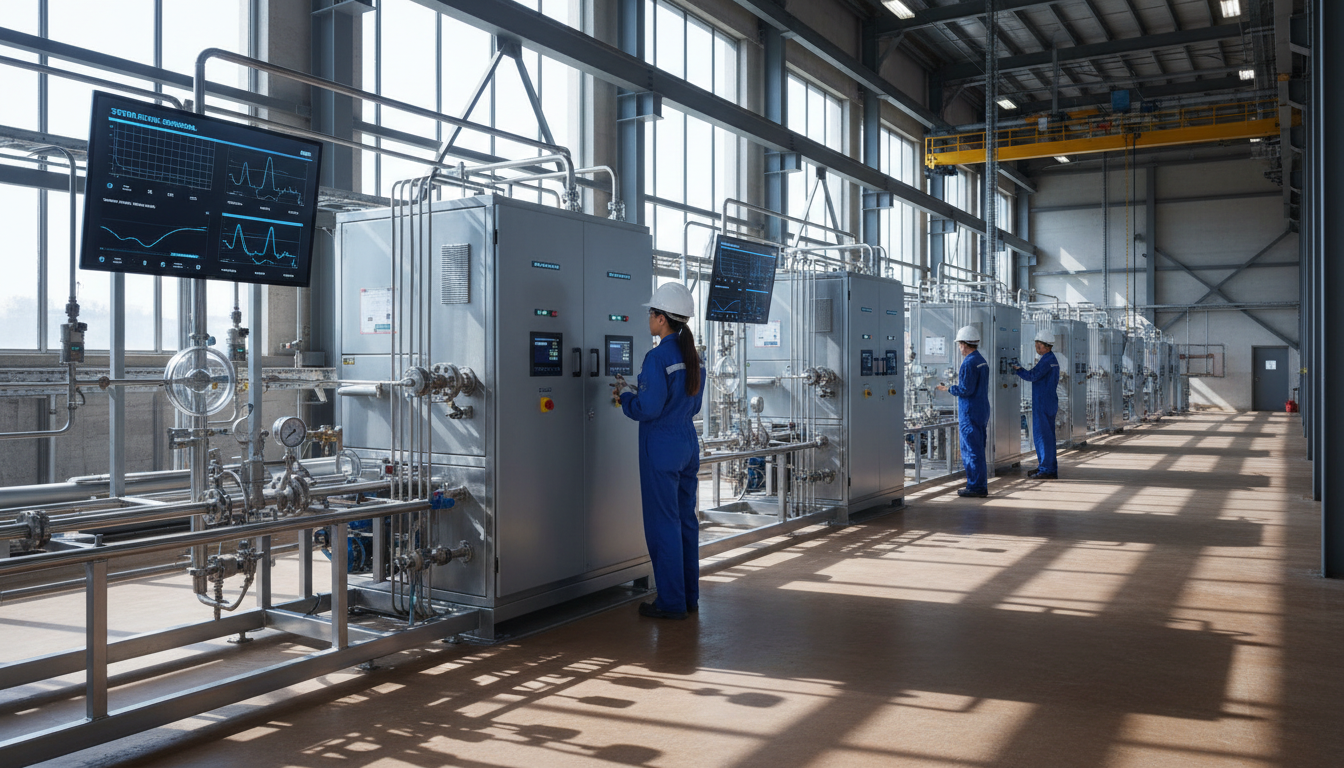
Modern ETPs are equipped with the latest technology that enhances operational efficiency. These systems often include automated monitoring and control, which reduces the need for manual intervention and minimizes human error. As a result, businesses can optimize their resource usage and reduce operational costs.
Furthermore, efficient waste management leads to cleaner production processes, which can improve product quality and reduce downtime caused by environmental compliance issues.
Compliance and Incentives
Governments and international bodies are increasingly offering incentives to businesses that comply with environmental standards. These incentives can take the form of tax breaks, grants, or subsidies, making the transition to modern ETPs financially attractive.
By staying ahead of regulatory changes and implementing the latest treatment technologies, businesses not only avoid legal issues but also position themselves as industry leaders in sustainability.
Long-term Sustainability
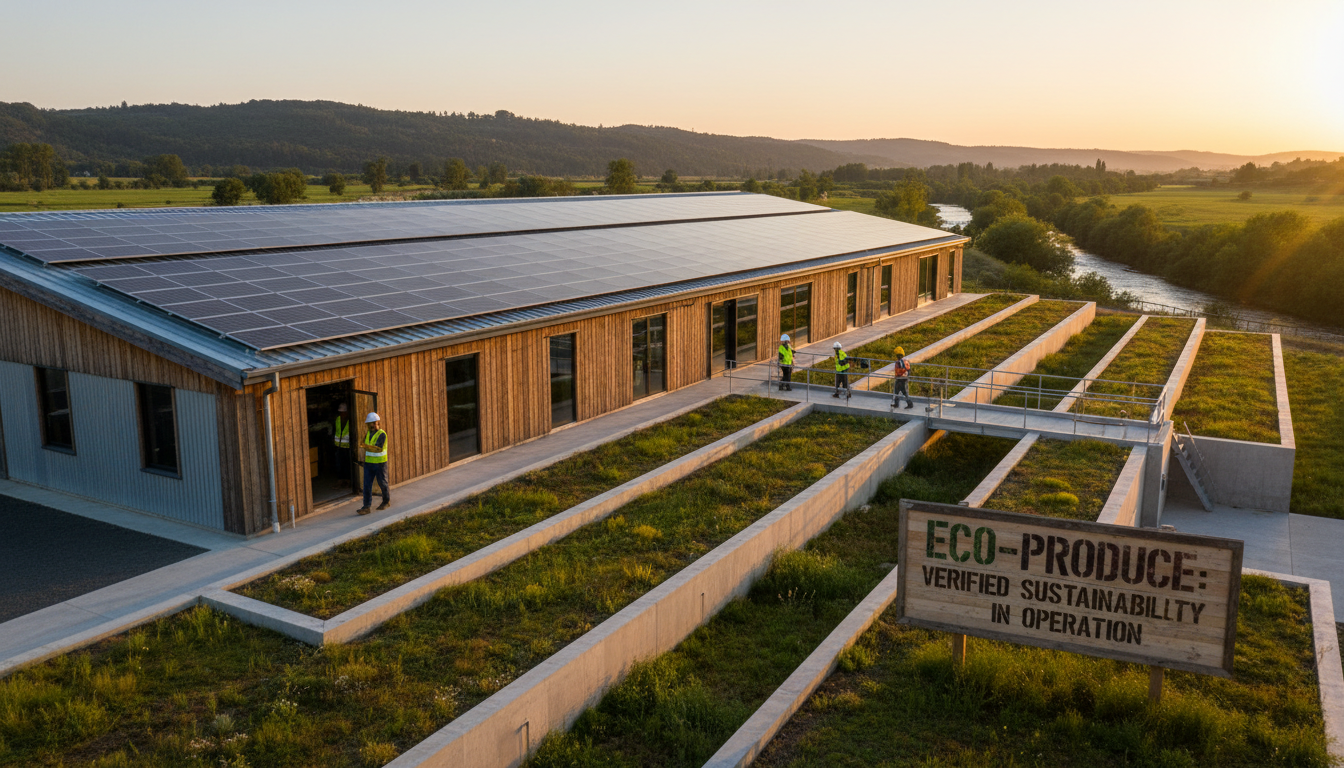
As industries continue to grow, the demand for sustainable practices becomes more pressing. Modern ETPs facilitate long-term sustainability by ensuring that industrial processes do not harm the environment. This not only preserves natural resources but also ensures that businesses can operate without disruption in the future.
Businesses that adopt these practices are better prepared for future challenges, ensuring resilience and longevity in a competitive market.
Conclusion
Modern Effluent Treatment Plants are more than just a regulatory requirement; they are a strategic investment in a company’s future. By embracing advanced ETPs, businesses can enjoy economic benefits, enhance operational efficiency, and contribute positively to environmental sustainability. As green standards continue to evolve, staying informed and proactive in adopting these technologies is crucial for success.