Exploring the Importance of Wastewater Treatment Systems


The Role of Wastewater Treatment Systems
Wastewater treatment systems play a crucial role in maintaining a sustainable environment. These systems are designed to remove contaminants from water, making it safe for release back into the environment or for reuse. With the increasing demand for clean water, understanding the importance and function of these systems is essential.
Environmental Benefits
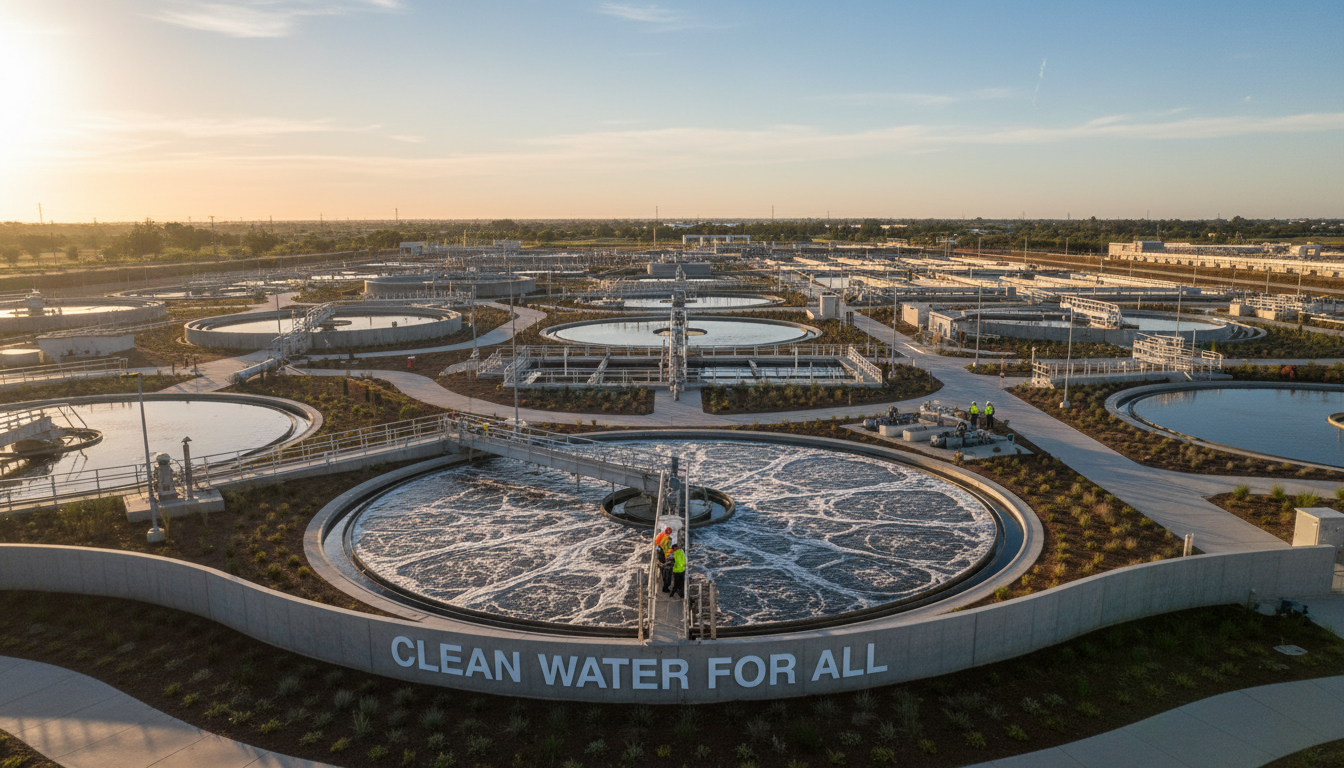
One of the primary benefits of wastewater treatment is its positive impact on the environment. By treating wastewater effectively, harmful pollutants are removed, preventing them from entering natural water bodies. This helps to preserve aquatic ecosystems and protect biodiversity.
Moreover, treated water can be reused for various purposes, such as irrigation and industrial processes. This not only conserves water but also reduces the strain on freshwater resources. As water scarcity becomes a growing concern globally, the role of wastewater treatment becomes increasingly significant.
Health and Safety
Effective wastewater treatment is vital for public health. Untreated wastewater can carry pathogens and harmful chemicals that pose serious health risks. By ensuring that wastewater is properly treated, communities can prevent the spread of diseases and protect their citizens from potential hazards.
Additionally, treated wastewater can be used safely in various applications, reducing the reliance on potable water. This is particularly important in regions where water resources are limited, ensuring that clean water is available for essential needs.
Economic Impact
Investing in wastewater treatment systems can have significant economic benefits. By improving water quality, these systems support industries that rely on clean water, such as agriculture and tourism. Furthermore, they help in reducing the costs associated with waterborne diseases and environmental degradation.
- Increased availability of reusable water
- Support for water-dependent industries
- Long-term savings on healthcare costs
Technological Advancements
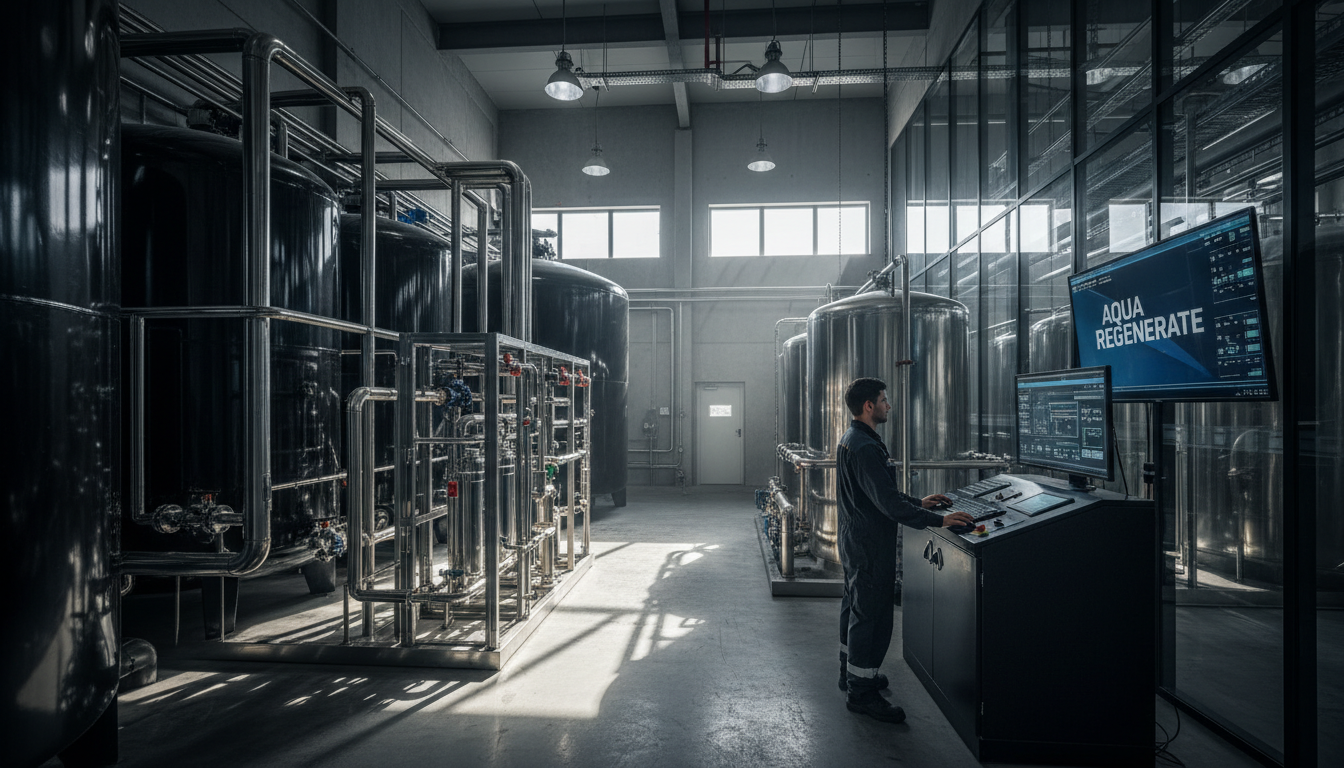
Recent advancements in technology have made wastewater treatment more efficient and cost-effective. Innovations like membrane filtration, biological treatments, and advanced oxidation processes are enhancing the ability to treat water to higher standards. These technologies are not only improving the quality of treated water but also reducing energy consumption and operational costs.
As these technologies continue to evolve, they hold the promise of making wastewater treatment even more accessible and sustainable, paving the way for a future where water scarcity is less of a concern.
Conclusion
Wastewater treatment systems are indispensable for ensuring environmental sustainability, public health, and economic prosperity. As we face the challenges of a growing population and climate change, investing in and understanding these systems is more important than ever. By embracing technological advancements and recognizing their multifaceted benefits, we can ensure a healthier planet for future generations.