Exploring the Future of Wastewater Treatment Solutions


Introduction to Wastewater Treatment
As urban areas expand and industrial activities increase, the demand for effective wastewater treatment solutions becomes more pressing. Wastewater treatment is crucial not just for environmental protection but also for ensuring public health and sustainable water management. The future of these solutions lies in innovation, efficiency, and sustainability.
Historically, wastewater treatment has focused on mechanical and chemical processes. However, as technology advances, new methods are being developed that promise to revolutionize this essential service.
Emerging Technologies in Wastewater Treatment
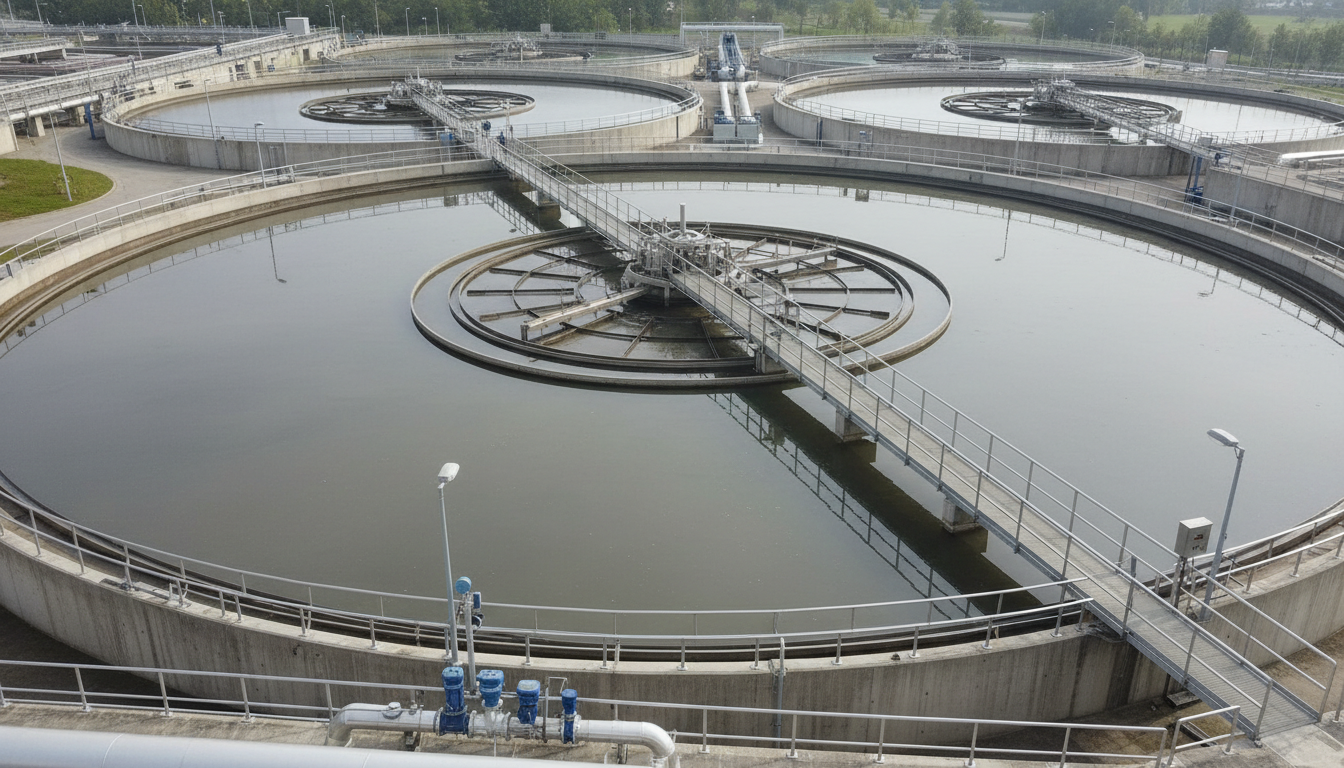
One of the most exciting advancements is the development of **membrane bioreactors** (MBRs). These systems combine biological treatment with membrane filtration, offering a compact and efficient solution for removing contaminants. MBRs are particularly useful in areas with limited space and strict discharge requirements.
Additionally, **advanced oxidation processes** (AOPs) are gaining traction. These involve the generation of highly reactive radicals that can degrade a wide range of pollutants. AOPs are especially effective for treating industrial wastewater, which often contains complex organic compounds.

Role of Artificial Intelligence and Machine Learning
Artificial intelligence (AI) and machine learning (ML) are playing a growing role in optimizing wastewater treatment processes. By analyzing vast amounts of data, AI systems can predict equipment failures, optimize chemical dosing, and improve energy efficiency. This not only lowers operational costs but also enhances the reliability of treatment facilities.
AI-driven solutions can adapt to changing conditions, making them ideal for managing the variability in wastewater composition and flow rates. This adaptability ensures that treatment plants can maintain high performance even under challenging conditions.

Sustainability and Resource Recovery
The future of wastewater treatment is also closely tied to sustainability. Modern treatment solutions aim to recover valuable resources such as **nutrients and energy**. For example, anaerobic digestion processes can convert organic waste into biogas, which can be used as a renewable energy source.
Nutrient recovery technologies are also being implemented to extract phosphorus and nitrogen from wastewater, which can then be used as fertilizers. This not only helps reduce the environmental impact of wastewater discharge but also supports agricultural productivity.
Conclusion
The evolution of wastewater treatment solutions is paving the way for a cleaner, more sustainable future. By embracing cutting-edge technologies and focusing on resource recovery, we can transform wastewater from a waste product into a valuable resource.
As these innovations continue to develop, collaboration between governments, industries, and researchers will be essential to ensure that these solutions are implemented effectively and equitably around the world.