Expert Tips for Maintaining High-Performance Effluent Treatment Plants


Understanding the Importance of Effluent Treatment Plants
Effluent Treatment Plants (ETPs) are crucial for industries to manage waste and minimize environmental impact. These systems treat wastewater, ensuring that harmful contaminants are removed before the water is discharged back into the environment. Maintaining high-performance ETPs is essential for regulatory compliance and environmental protection.
Regular Monitoring and Maintenance
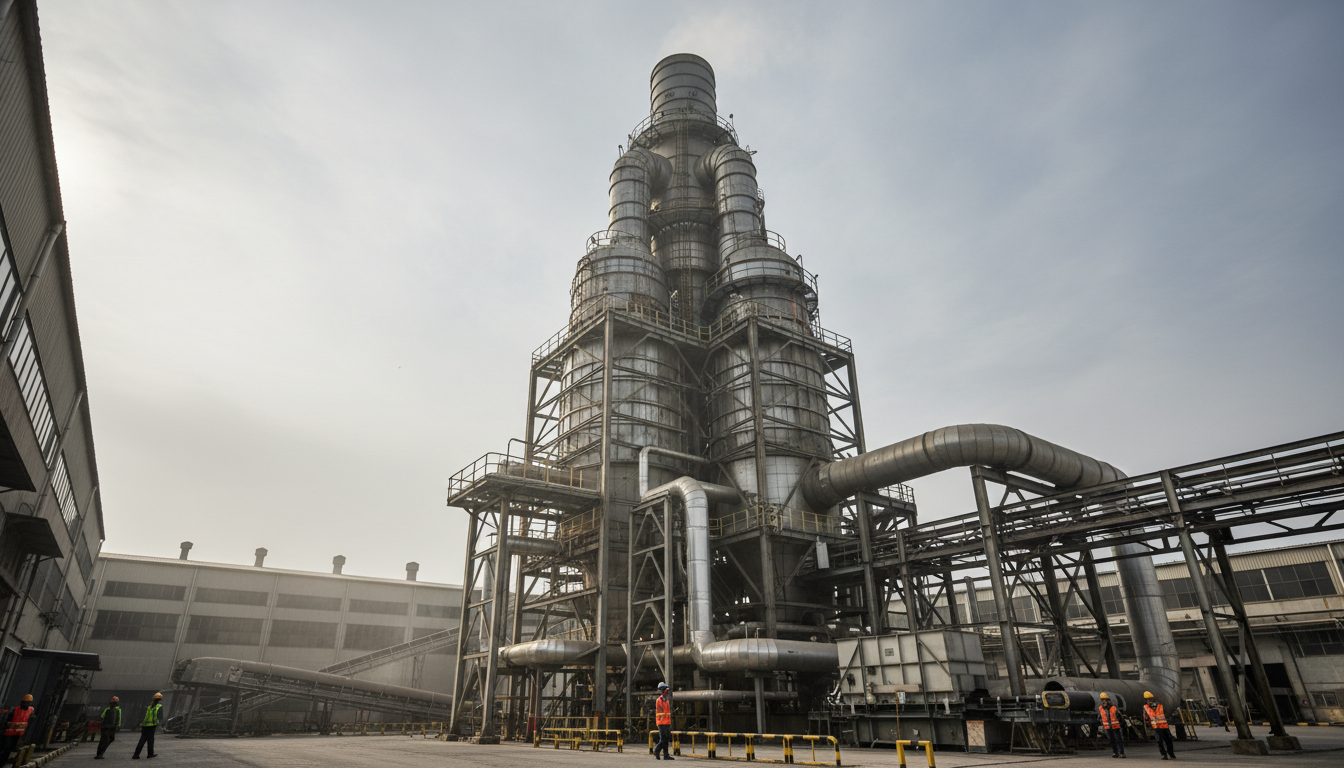
One of the key aspects of maintaining an efficient ETP is regular monitoring. This involves checking the system for any signs of wear and tear, leaks, or blockages. Routine maintenance can prevent major breakdowns and ensure the plant operates smoothly. Scheduling periodic inspections by trained professionals is advisable to detect potential issues early.
Staff Training and Awareness
Having a well-trained team is vital for the effective operation of an ETP. Staff should be knowledgeable about the plant's processes and aware of any changes in regulations or technology. Regular training sessions can help employees stay updated and improve their skills, ensuring the plant operates efficiently.

Implementing Advanced Technologies
Incorporating advanced technologies can significantly enhance the performance of ETPs. Technologies such as membrane bioreactors, reverse osmosis, and ultraviolet disinfection can improve treatment efficiency and reduce operational costs. Investing in modern equipment can lead to better compliance with environmental standards.
Optimizing Chemical Usage
Efficient chemical management is crucial in ETPs. Overuse of chemicals can lead to increased costs and environmental harm, while underuse may result in inadequate treatment. It's important to optimize chemical usage by regularly reviewing dosage levels and adjusting them according to the plant's requirements.
Emphasizing Preventive Measures
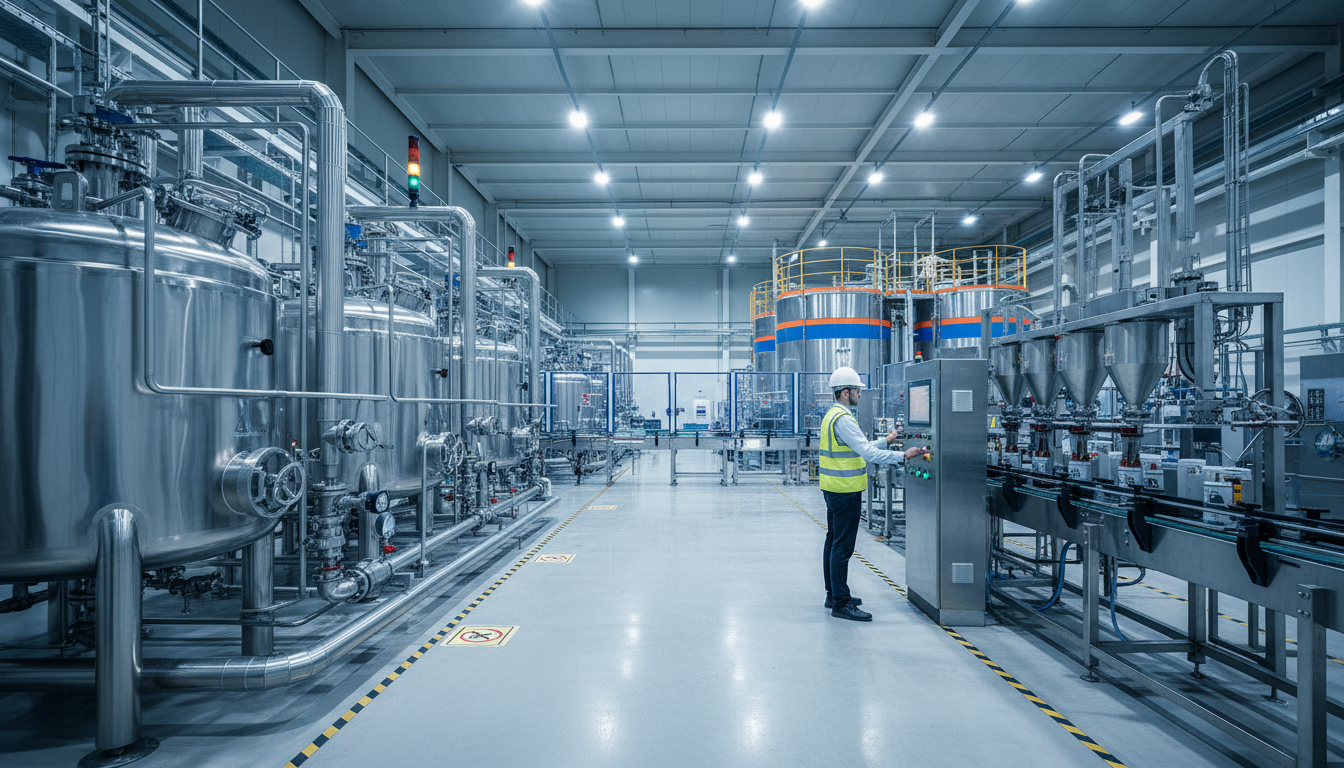
Preventive measures are essential for maintaining high-performance ETPs. This includes routine checks for equipment integrity, timely replacement of worn-out parts, and ensuring that all components are functioning optimally. Implementing a preventive maintenance schedule can reduce downtime and extend the lifespan of the plant.
Data Analysis and Reporting
Data analysis is a powerful tool for improving ETP performance. By collecting and analyzing data related to the plant's operations, managers can identify trends, predict potential issues, and make informed decisions. Regular reporting also helps in maintaining transparency and accountability.

Conclusion
Maintaining a high-performance Effluent Treatment Plant requires a combination of regular maintenance, staff training, advanced technologies, optimized chemical usage, and preventive measures. By focusing on these areas, industries can ensure their ETPs are efficient, cost-effective, and environmentally friendly. With the right strategies, businesses can achieve compliance and protect the environment for future generations.