Expert Insights: Designing Custom Effluent Treatment Solutions for Pharmaceuticals


Understanding the Importance of Effluent Treatment in Pharmaceuticals
The pharmaceutical industry, known for its innovation and development of life-saving drugs, also faces significant challenges in managing wastewater. Effluent treatment in this sector is crucial, not just for regulatory compliance, but also for environmental protection. With strict guidelines and high stakes, designing effective solutions requires a deep understanding of both the industry and environmental science.
Pharmaceutical effluents can contain a range of pollutants, including active pharmaceutical ingredients, solvents, and other hazardous chemicals. Therefore, a customized approach is essential to address the unique characteristics of each facility's waste stream.
Key Considerations in Custom Design
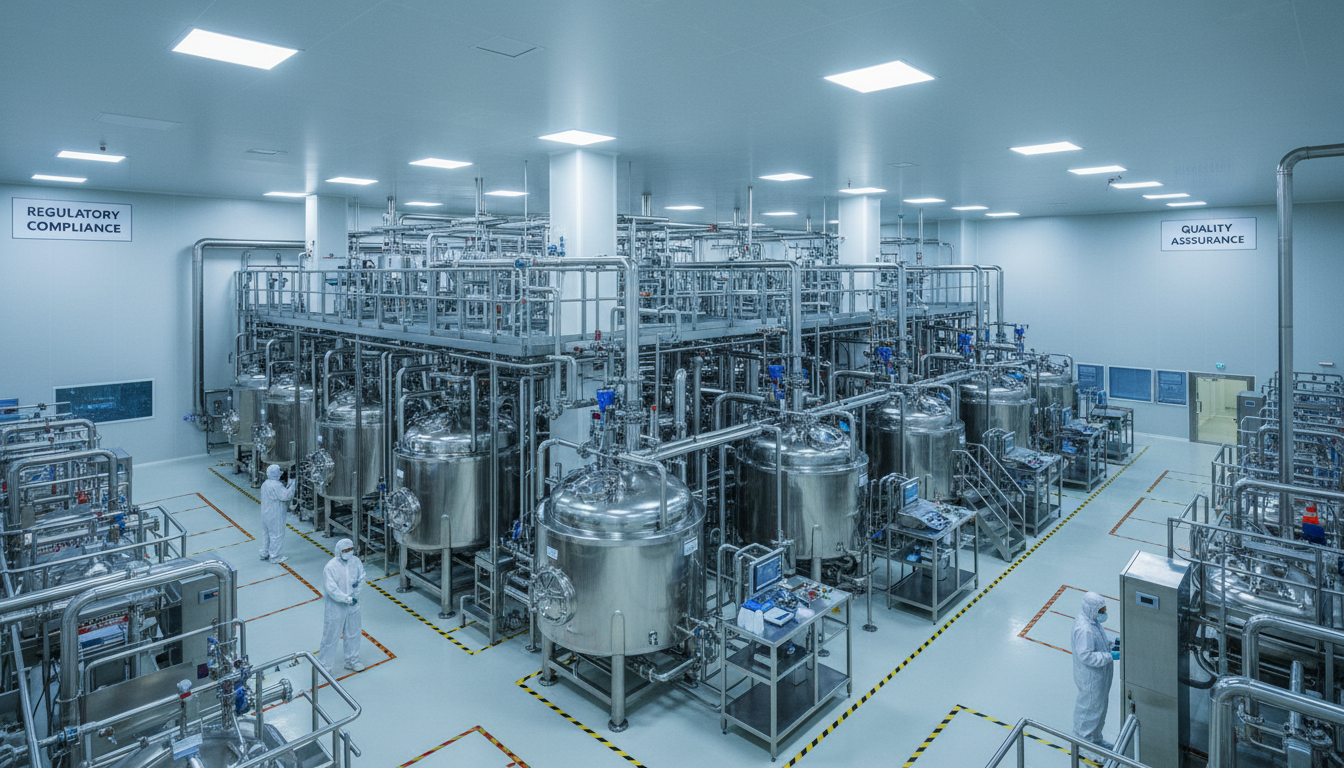
Designing a custom effluent treatment solution begins with a thorough assessment of the specific needs of the pharmaceutical facility. This involves analyzing the composition of the effluent, the volume of waste produced, and the local environmental regulations. Each of these factors plays a crucial role in determining the most effective treatment strategy.
Additionally, the scalability of the solution is an important consideration. As pharmaceutical companies grow, their effluent treatment systems must be able to handle increased volumes without compromising performance.
Technologies and Methods
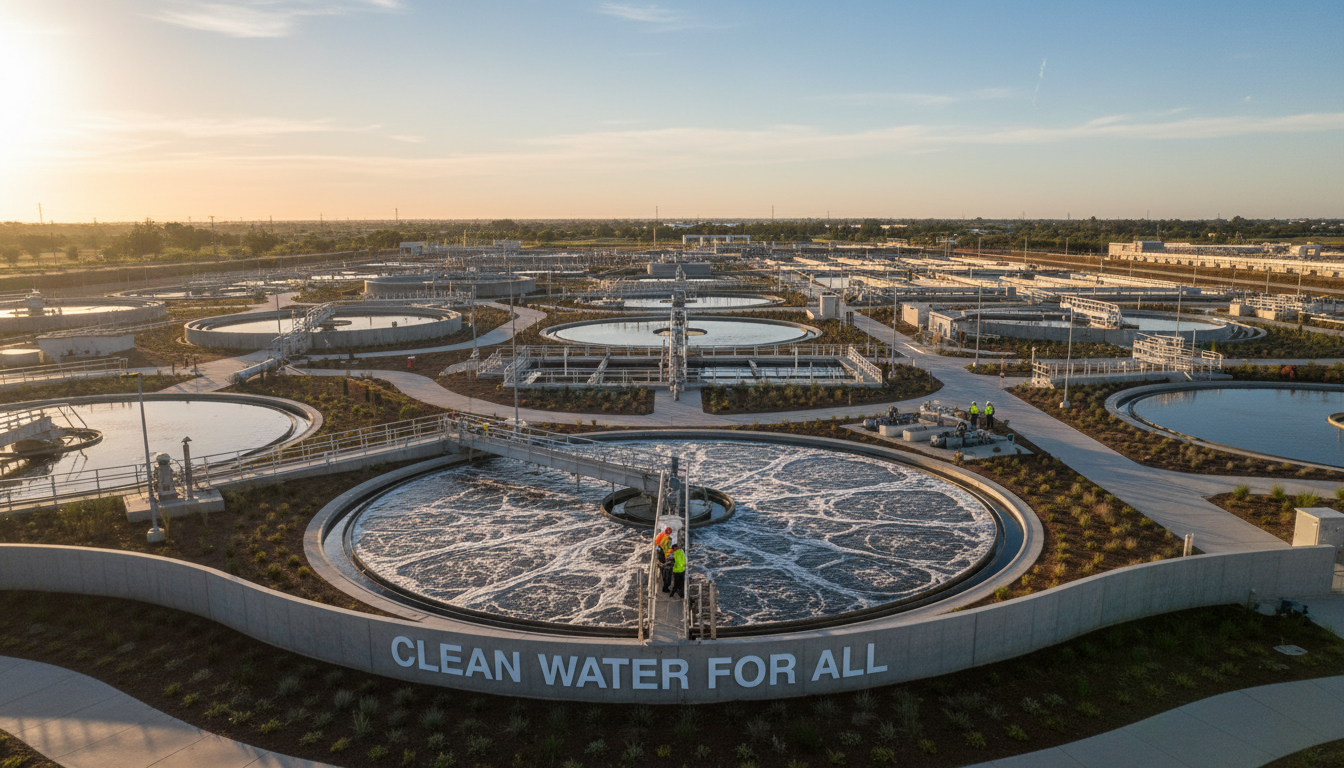
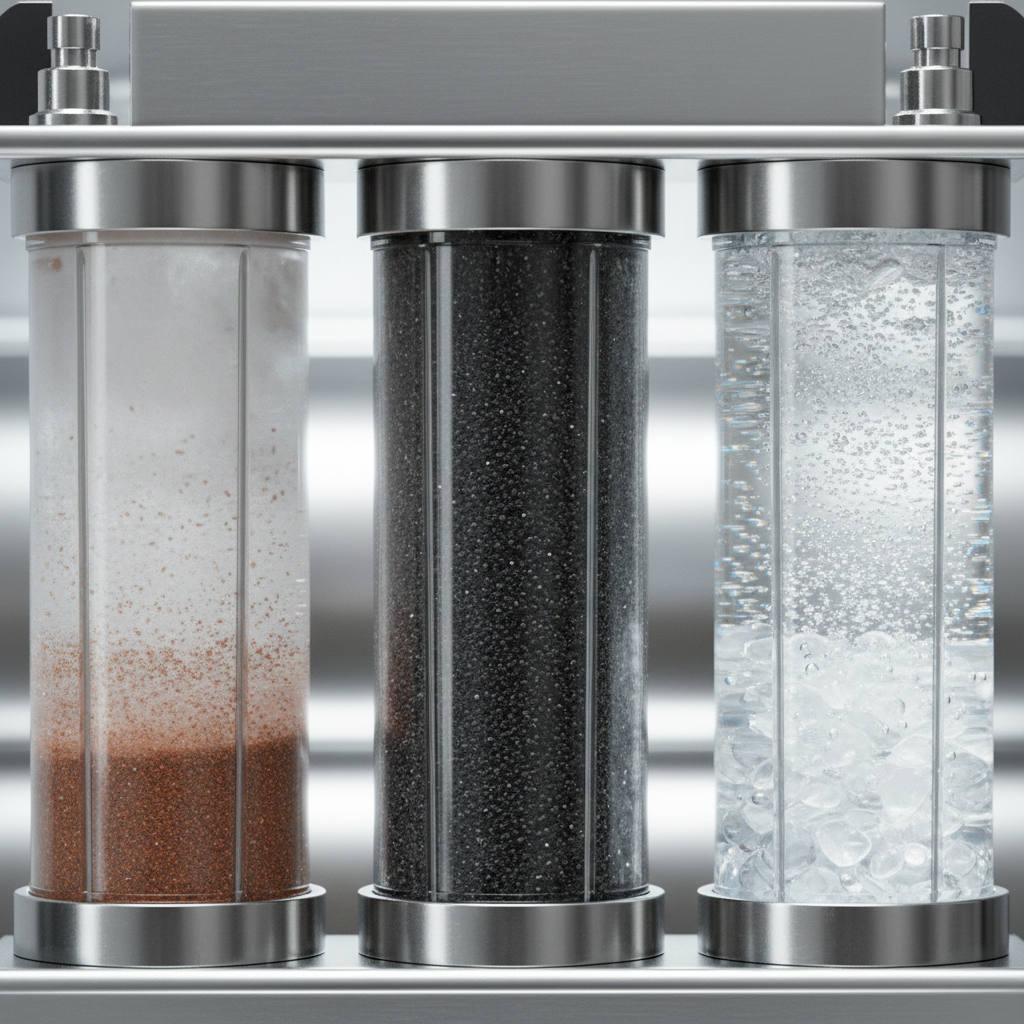
Several technologies are commonly employed in the treatment of pharmaceutical effluents. These include biological treatment processes, such as activated sludge systems, and advanced oxidation processes, which are effective in breaking down complex organic compounds. Membrane filtration and adsorption techniques are also widely used to remove contaminants.
Choosing the right combination of technologies requires expertise and experience. The selected methods must not only meet regulatory standards but also be cost-effective and sustainable in the long term.
Collaborative Approach to Design
Creating a successful effluent treatment solution is often a collaborative effort. It involves working closely with environmental engineers, chemists, and regulatory experts to ensure that all aspects of the treatment process are optimized. This collaboration helps in developing a solution that is both technically sound and economically viable.
Furthermore, engaging with stakeholders, including local communities and environmental groups, can provide valuable insights into the potential impacts and benefits of the treatment system.
The Role of Innovation
Innovation plays a critical role in the development of effluent treatment solutions. As technology advances, new methods and materials become available, enabling more efficient and effective treatment processes. Embracing these innovations can lead to significant improvements in the quality of treated effluents and overall environmental impact.
Continual research and development are essential to keep pace with evolving industry demands and regulatory requirements.
Conclusion
Designing custom effluent treatment solutions for the pharmaceutical industry is a complex but essential task. It requires a holistic understanding of the unique challenges and opportunities within this sector. By focusing on tailored approaches and embracing technological innovations, companies can effectively manage their environmental footprint while ensuring compliance and sustainability.