ETP Tank Materials: Mild Steel vs. RCC Concrete


Introduction to ETP Tanks
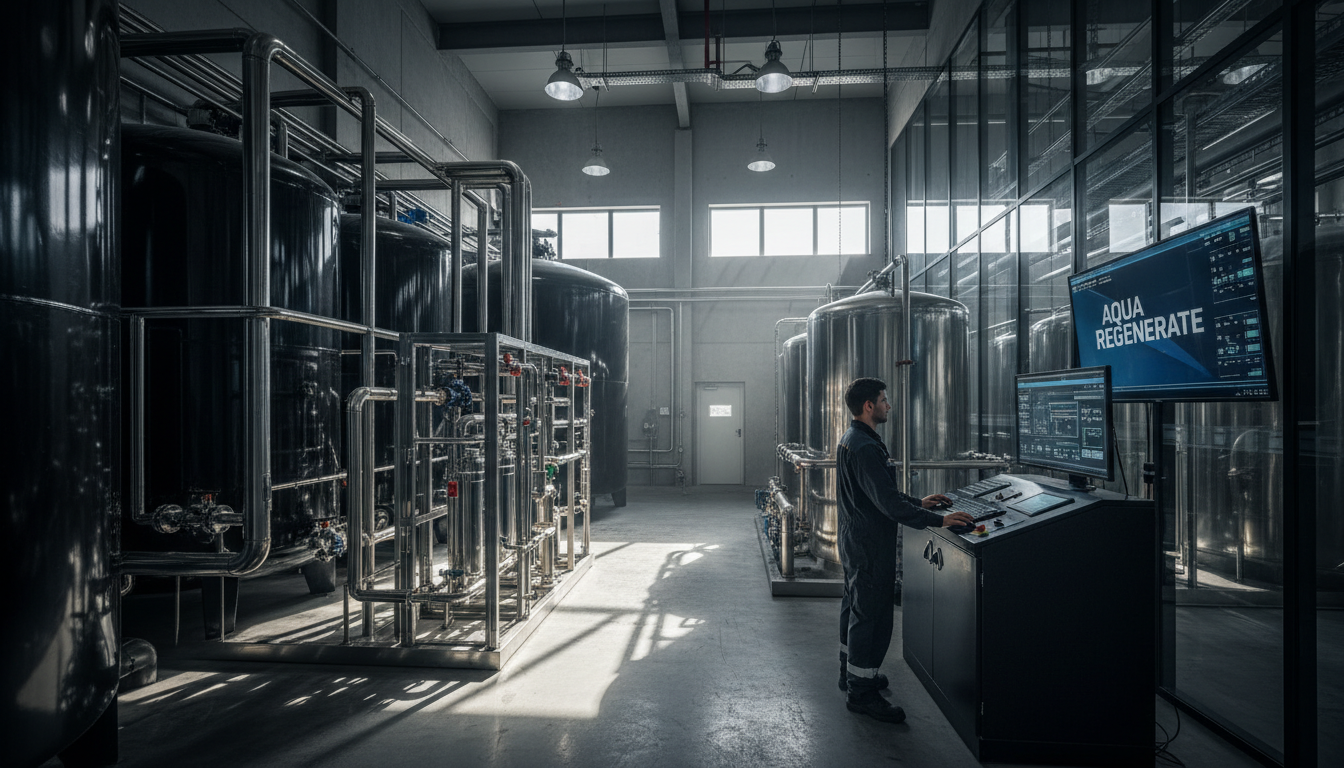
Effluent Treatment Plants (ETP) play a critical role in managing wastewater from industrial processes. The choice of material for constructing ETP tanks is crucial for efficiency and longevity. Two popular materials are Mild Steel and Reinforced Cement Concrete (RCC). Each has its unique advantages and drawbacks, making the decision heavily dependent on specific project requirements.
Mild Steel ETP Tanks
Advantages of Mild Steel
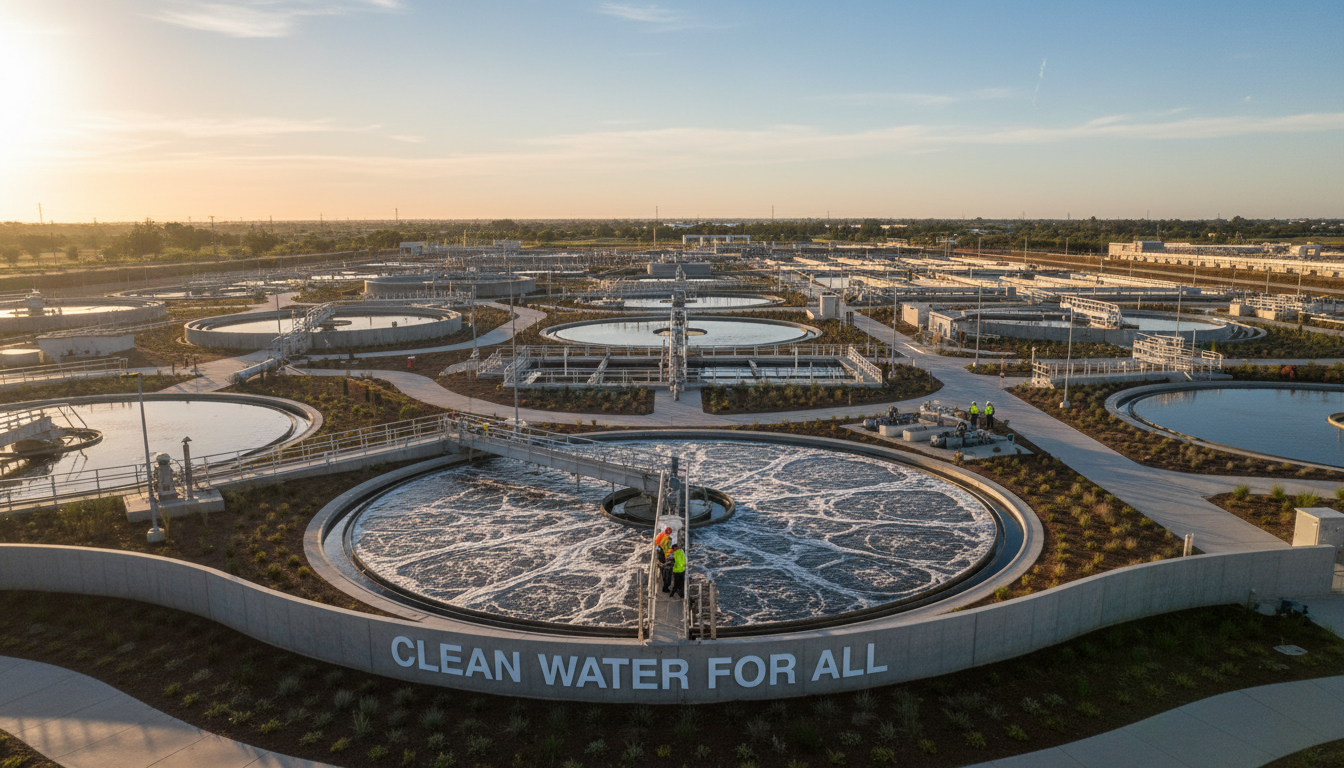
Mild Steel is renowned for its high tensile strength and durability. It is particularly suitable for environments where tanks are exposed to high mechanical stress. Additionally, its flexibility allows for easier modifications and repairs, making it a preferred choice for many industries.
Drawbacks of Mild Steel
Despite its strengths, Mild Steel is prone to corrosion, especially when exposed to harsh chemicals present in industrial effluents. This necessitates regular maintenance and protective coatings to prolong its lifespan. The initial cost might be lower, but maintenance can add up over time.
RCC Concrete ETP Tanks
Advantages of RCC Concrete
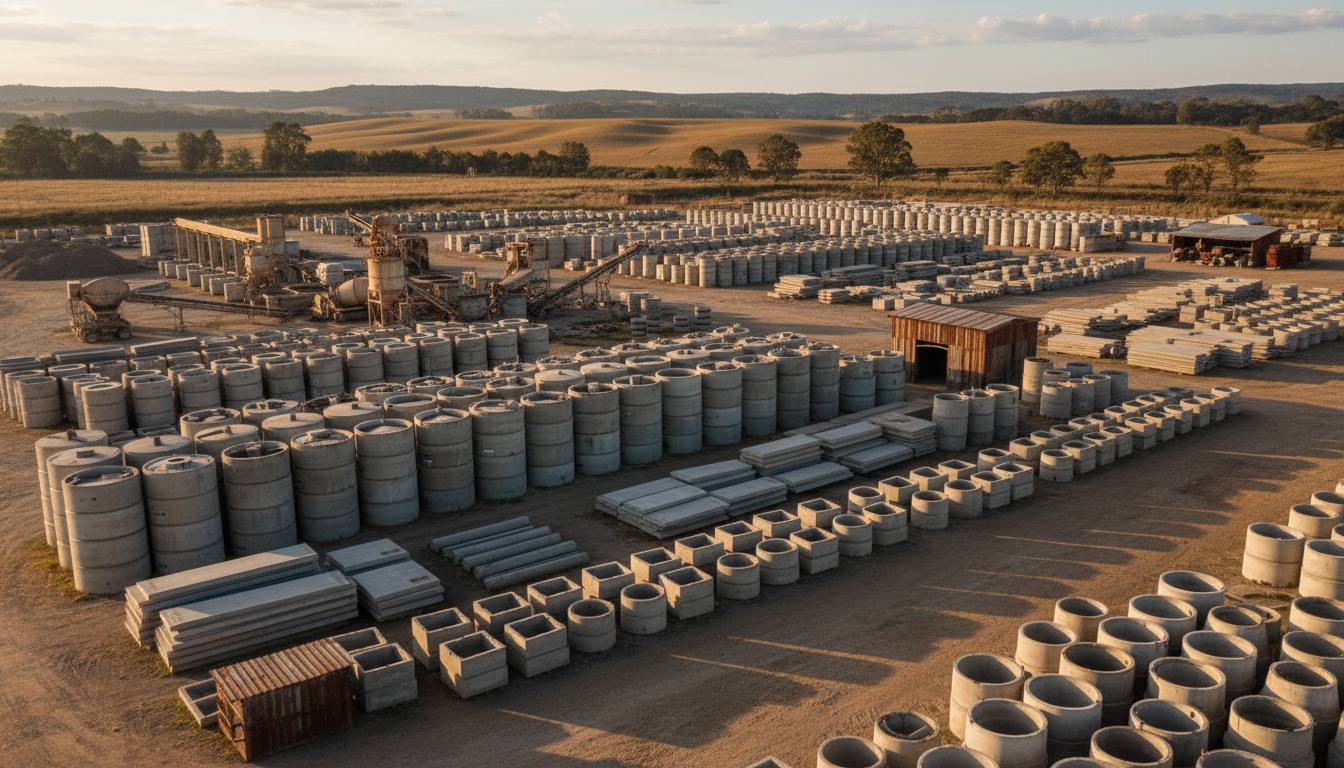
RCC Concrete tanks are favored for their excellent resistance to corrosion, making them ideal for long-term use in chemically aggressive environments. Their robust nature means they require less frequent maintenance compared to steel tanks. Additionally, concrete is a cost-effective material for large structures.
Drawbacks of RCC Concrete
One of the main drawbacks of RCC Concrete is its rigidity. Unlike Mild Steel, it cannot be easily modified once constructed. This lack of flexibility can be a limitation if design changes are anticipated in the future. Additionally, the construction time for RCC tanks is generally longer.
Cost Comparison
When considering the cost, initial expenses for RCC Concrete tanks might be higher due to the labor-intensive construction process. However, their low maintenance needs can lead to cost savings over time. In contrast, Mild Steel tanks might have a lower upfront cost but could incur higher maintenance expenses.
Choosing the Right Material
The choice between Mild Steel and RCC Concrete largely depends on the specific needs of the ETP and the nature of the effluent being treated. Key considerations include:
- Budget constraints
- Expected lifespan
- Environmental conditions
- Flexibility for future modifications
Conclusion
Both Mild Steel and RCC Concrete have their places in the construction of ETP tanks. By carefully evaluating the benefits and limitations of each material, industries can make informed decisions that align with their operational and financial goals. Ultimately, the choice should support the long-term efficiency and sustainability of the effluent treatment process.