Essential Maintenance Services for Wastewater Plants: Ensuring Long-term Efficiency


Introduction to Wastewater Plant Maintenance
Wastewater treatment plants play a critical role in maintaining public health and environmental quality. To ensure these facilities operate efficiently, regular maintenance is essential. Proper care and attention can prevent costly breakdowns and extend the lifespan of equipment.
Routine Inspections: The First Line of Defense
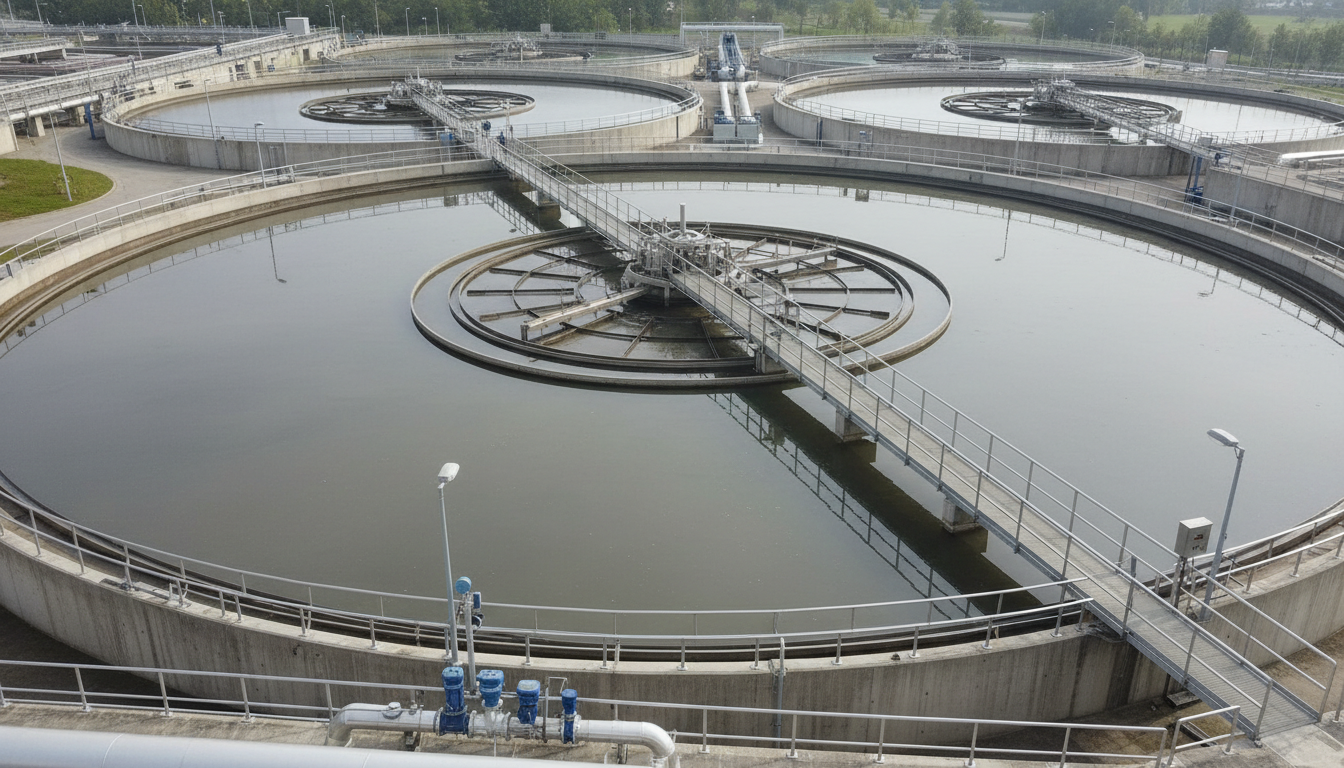
Regular inspections are vital for identifying potential issues before they escalate. During inspections, technicians should check for signs of wear and tear, leaks, and other anomalies. Implementing a routine inspection schedule can significantly reduce the risk of unexpected failures.
Inspections should cover all critical components, including pumps, filters, and control systems. By keeping a detailed log of inspections, plant operators can track performance trends and make informed decisions about necessary repairs or replacements.
Cleaning and Calibration
Cleaning is another critical aspect of wastewater plant maintenance. Over time, sludge and other debris can accumulate, affecting the performance of various systems. Regular cleaning ensures that these components function at their optimal efficiency.
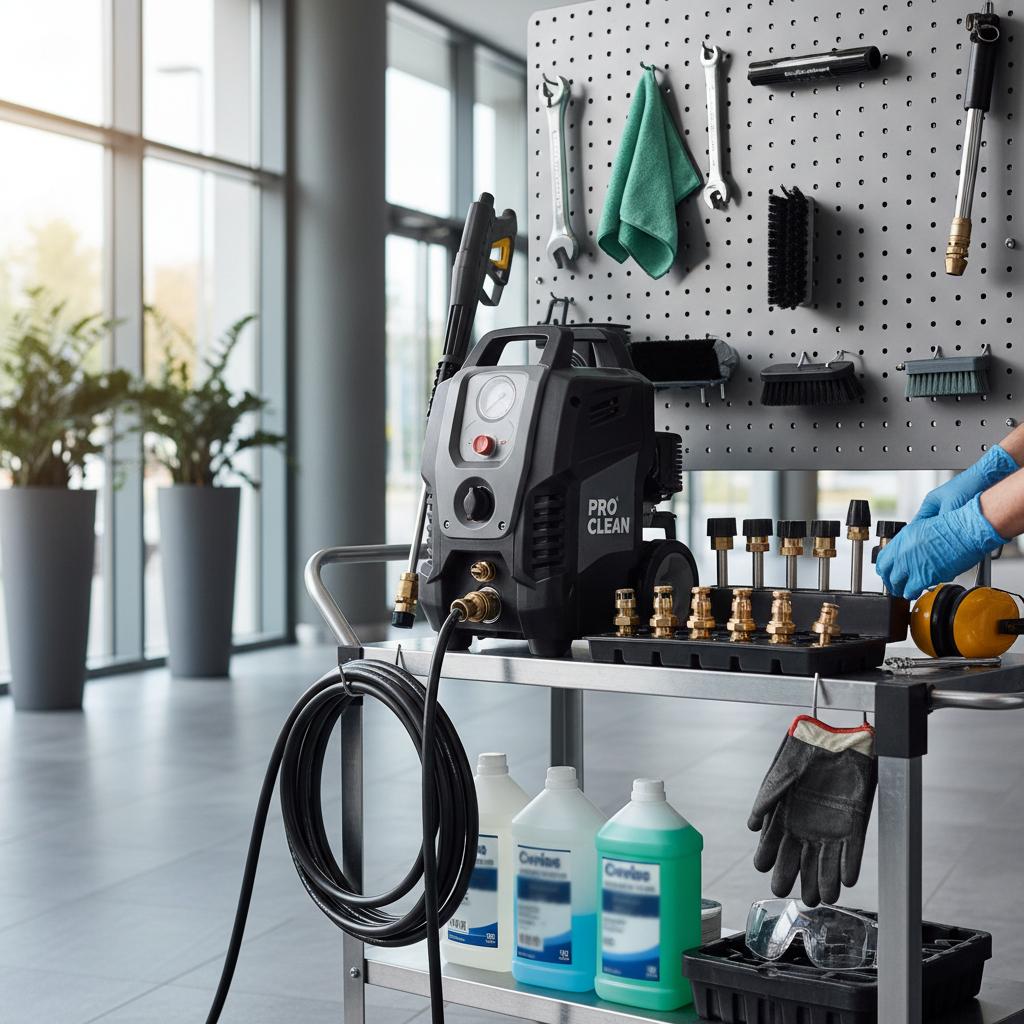
Calibration of instruments and sensors is also essential. Accurate readings are crucial for maintaining the balance within treatment processes. Regular calibration ensures that the data collected is reliable and supports efficient plant operations.
Preventative Maintenance Strategies
Implementing a preventative maintenance program can save both time and money. This strategy involves scheduled maintenance activities designed to prevent equipment failures. Key elements of a preventative program include:
- Regular lubrication of moving parts
- Replacement of worn-out components
- Updating software and control systems
By addressing potential problems before they occur, plants can minimize downtime and maximize efficiency.
Emergency Preparedness
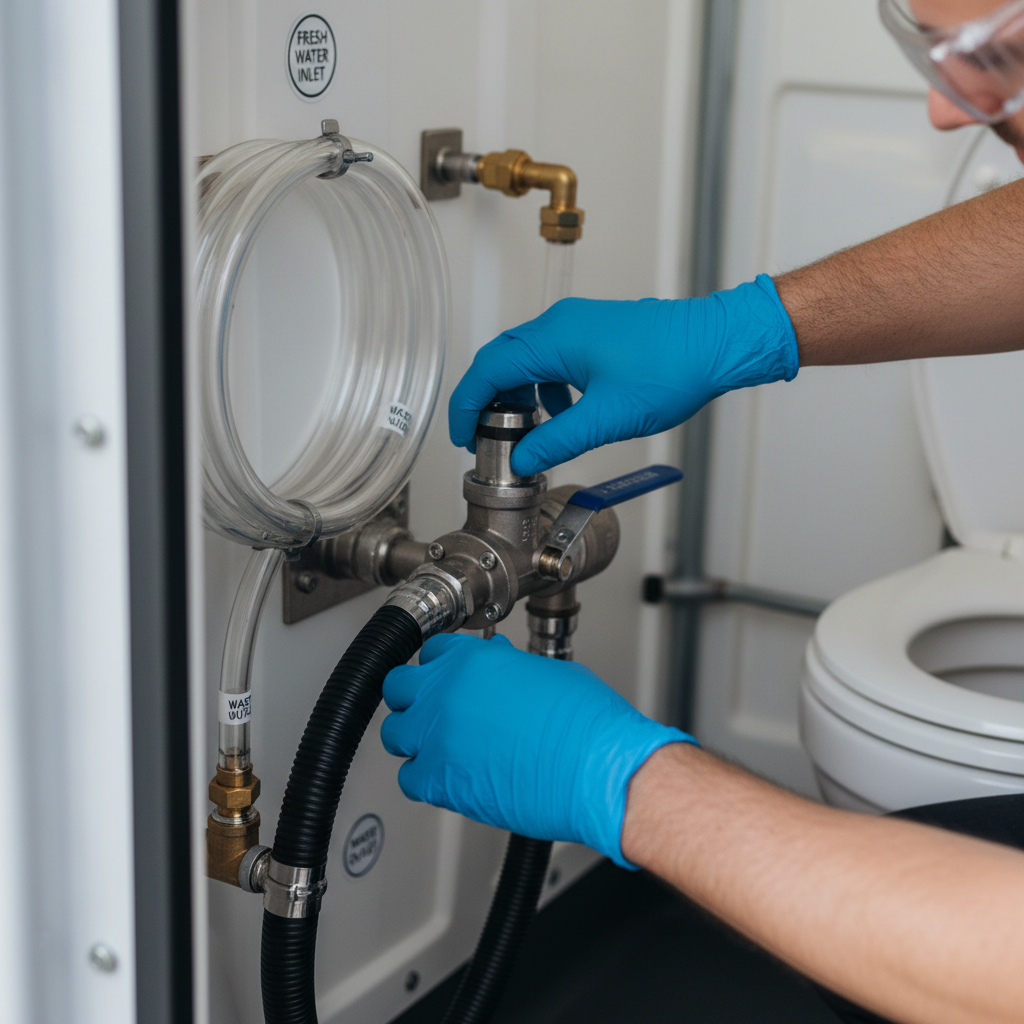
Despite the best preventative measures, emergencies can still occur. Having a robust emergency response plan is crucial. This plan should include procedures for handling equipment failures, power outages, and natural disasters.
Training staff to respond effectively in emergencies can significantly reduce the impact of unexpected events. Conducting regular drills ensures that everyone is prepared to act swiftly and efficiently.
Conclusion: The Importance of Ongoing Maintenance
Maintaining wastewater treatment plants is not a one-time task but an ongoing commitment. By investing in regular maintenance, inspections, and staff training, facilities can ensure long-term efficiency and reliability. This proactive approach not only safeguards the environment but also supports community health and well-being.