Effective Swimming Pool Filtration Systems and Design Essentials


Understanding Swimming Pool Filtration Systems
Effective filtration is critical for maintaining a clean and healthy swimming pool. The filtration system removes debris, bacteria, and algae, ensuring sparkling water that’s safe for swimming. There are several types of filtration systems available, each with its unique advantages.
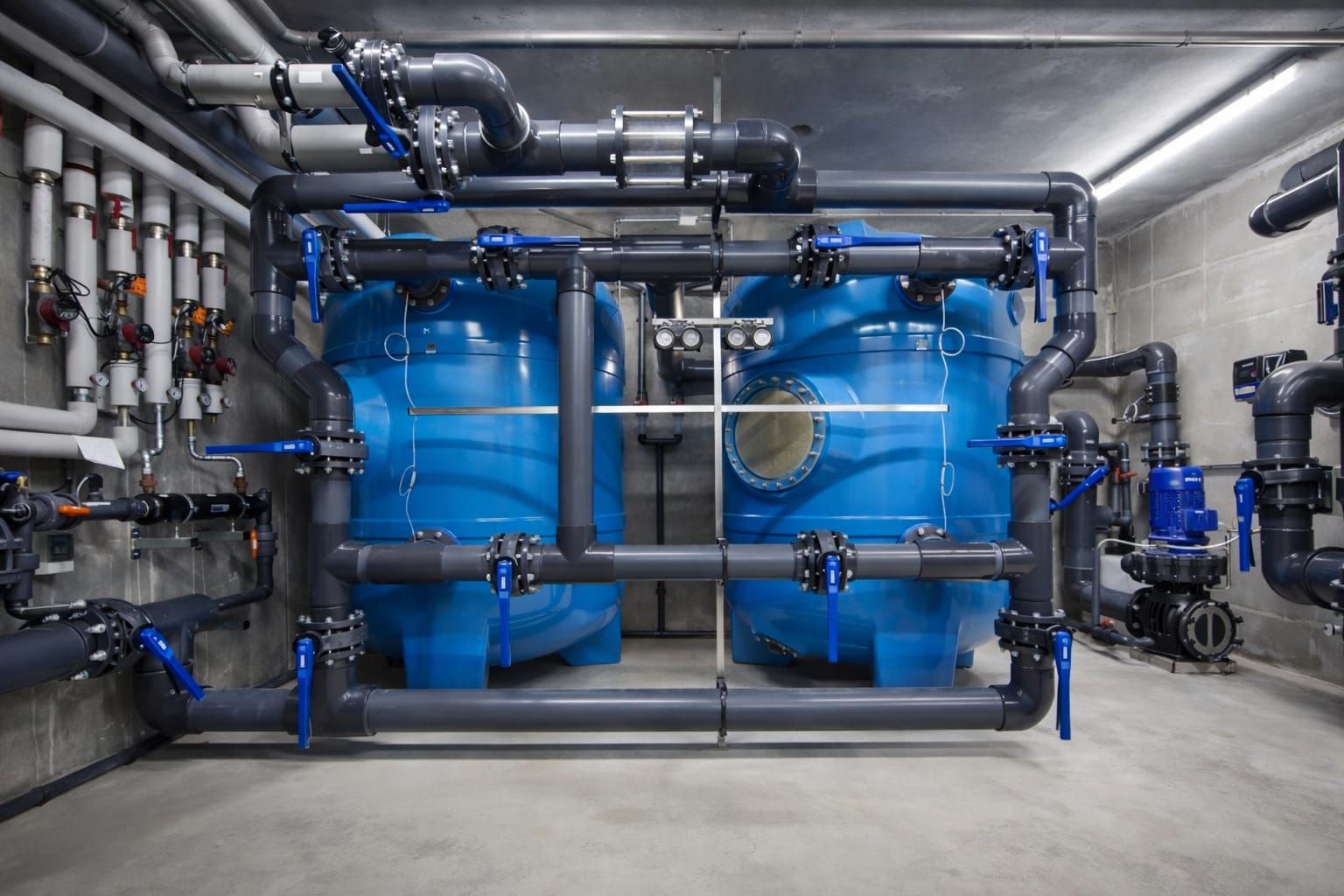
The three main types of filters are sand, cartridge, and diatomaceous earth (DE). Each system operates differently, but all serve the same essential purpose. Understanding the distinctions between them can help you choose the best option for your pool.
Sand filters are a popular choice due to their simplicity and durability. They use a special sand to trap debris. As water passes through the sand, particles are caught and filtered out. The sand needs to be replaced every 5 to 7 years, making it a low-maintenance option.
One of the main benefits of sand filters is their ability to handle larger volumes of water, making them ideal for larger pools. However, they might not filter as finely as other systems, which is something to consider when making your choice.
Cartridge Filters
Cartridge filters are known for their efficiency and ease of use. They consist of a cylindrical cartridge made from polyester material that captures debris. These filters can trap smaller particles than sand filters, providing superior filtration.

Maintenance for cartridge filters is straightforward. The cartridges need to be cleaned periodically and replaced every 1 to 2 years. They are suitable for smaller pools or those with moderate usage, offering a balance between performance and maintenance.
Diatomaceous Earth (DE) Filters
DE filters are considered the most effective type of pool filtration system. Using a fine powder made from fossilized remains of diatoms, these filters can capture the tiniest particles, providing crystal-clear water.
While DE filters require more maintenance, including regular backwashing and powder replacement, their superior filtration capabilities make them a preferred choice for pool owners who prioritize water clarity.
Design Essentials for Pool Filtration
Beyond choosing the right filtration system, the design and layout of your pool’s filtration setup are crucial. Proper design ensures optimal performance and longevity of the system.
Consider the Pump
The pump is the heart of your pool’s filtration system. It circulates water through the filter, removing debris and contaminants. When designing your system, ensure the pump is appropriately sized for your pool’s volume to maintain efficient filtration.
- Choose a pump with an energy-efficient motor.
- Consider variable-speed pumps for enhanced energy savings.
Placement and Accessibility
The location of your filtration system can impact its efficiency and maintenance. Place the system close to the pool to minimize the length of piping, which can reduce energy consumption and improve water circulation.
Ensure the system is easily accessible for routine maintenance. Proper placement can also help reduce noise levels, providing a more enjoyable poolside experience.
In conclusion, selecting the right filtration system and designing it properly are critical steps in maintaining a clean and inviting swimming pool. By understanding the options available and considering essential design elements, you can ensure your pool remains a refreshing oasis for years to come