Comparing MBBR, MBR, and SBR: Which Wastewater Treatment Technology is Best for Your Business?


Wastewater treatment is crucial for businesses aiming to reduce environmental impact and comply with regulations. Three popular technologies in the field are Moving Bed Biofilm Reactor (MBBR), Membrane Bioreactor (MBR), and Sequencing Batch Reactor (SBR). Each has unique features, making it essential to understand which is best suited for your business needs.
Understanding MBBR
MBBR technology uses thousands of polyethylene biofilm carriers operating in an aerated wastewater treatment tank. The carriers provide a large surface area for microorganisms to grow and break down organic material. One of the main advantages of MBBR is its compact design, requiring less space compared to conventional systems.
This technology is known for its simplicity and low maintenance. It is ideal for businesses with limited space or those looking for an easily scalable solution. MBBR systems can be seamlessly integrated into existing treatment plants, making them a flexible option for upgrades.
Exploring MBR
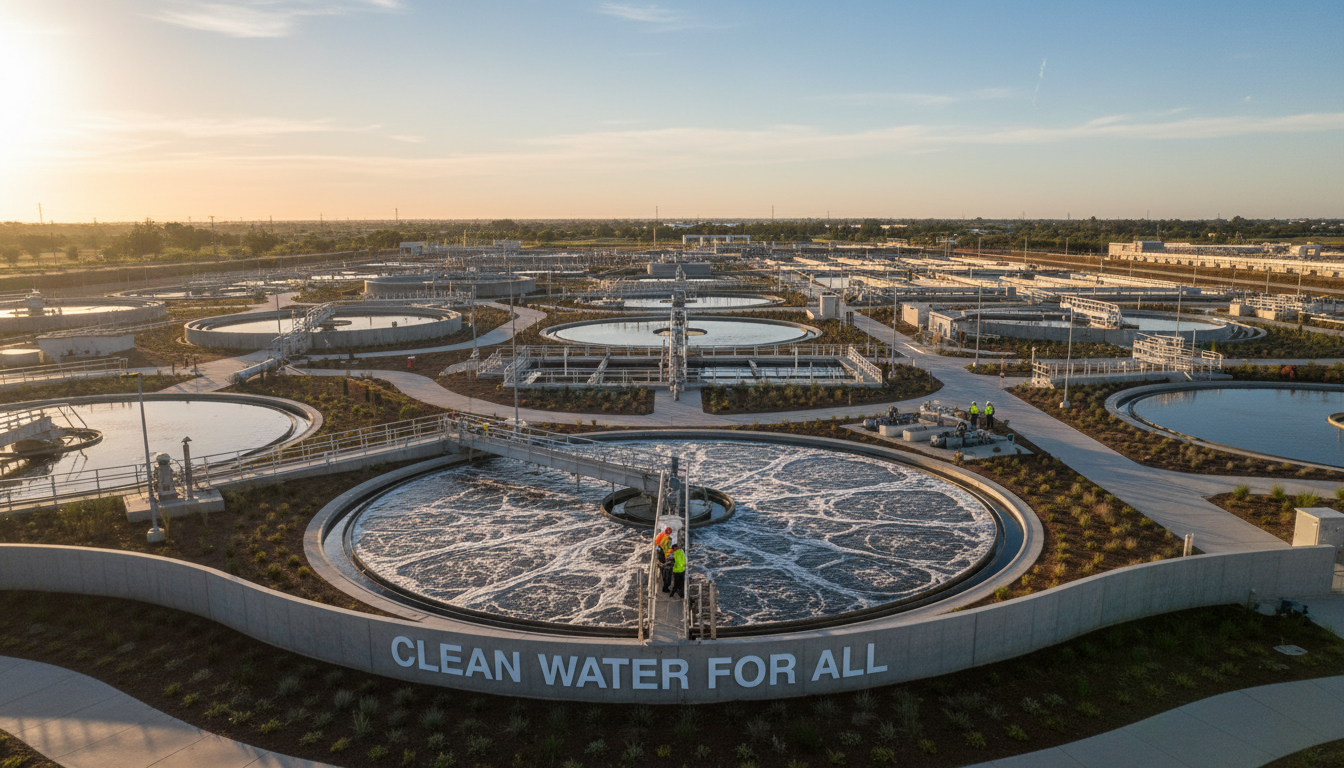
Membrane Bioreactor (MBR) combines biological treatment with membrane filtration. This technology provides high-quality effluent, suitable for reuse in various applications. MBR systems are efficient in removing pathogens and producing clear water.
While MBR offers superior treatment quality, it comes with higher operational costs due to energy consumption and membrane maintenance. It's best suited for businesses prioritizing water reuse or those in regions with strict discharge regulations.
Advantages of MBR
- High effluent quality: Suitable for reuse and sensitive environments.
- Compact design: Saves space and reduces footprint.
- Flexibility: Can handle fluctuating loads effectively.
Diving into SBR
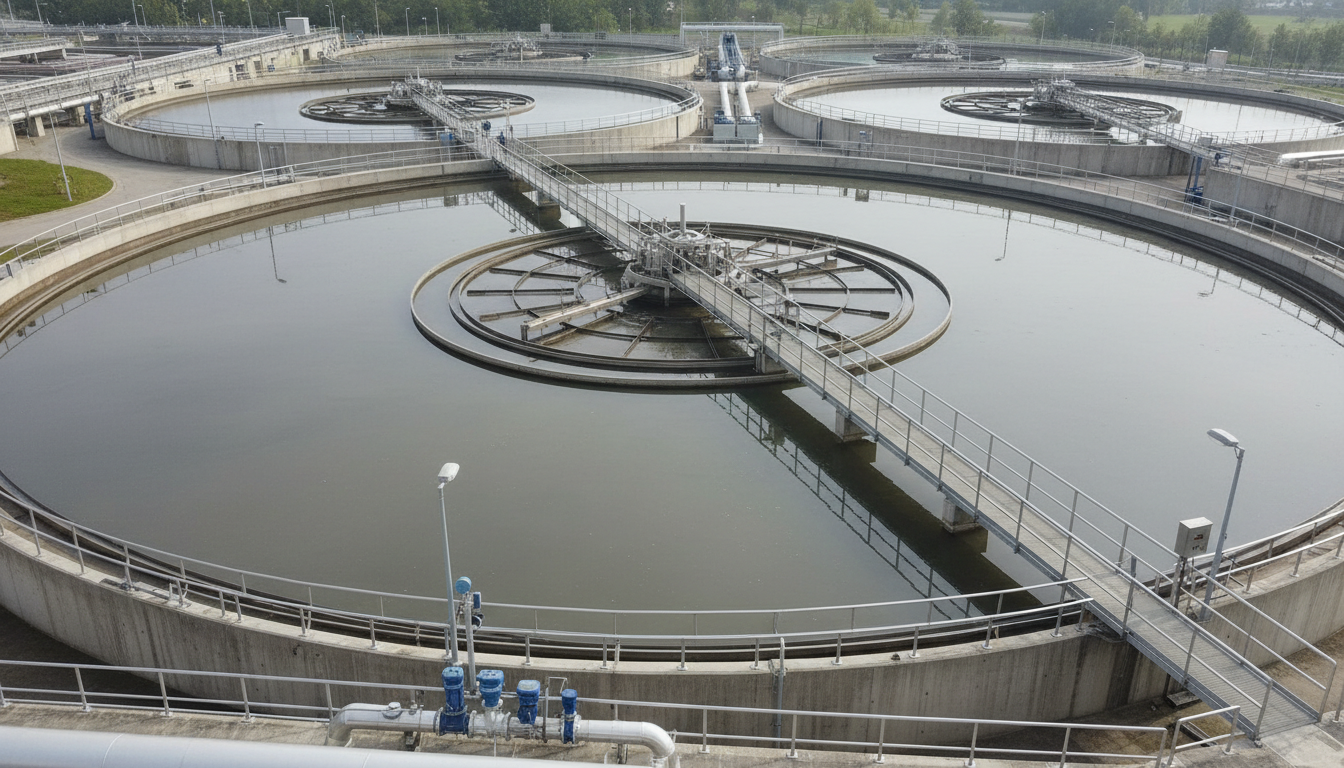
Sequencing Batch Reactor (SBR) is a fill-and-draw activated sludge system. It treats wastewater in batches rather than a continuous flow, allowing for equalization, aeration, and sedimentation in a single tank. This makes SBR systems versatile and suitable for varying flow rates.
One of the key benefits of SBR is its ability to handle shock loads and adapt to changing conditions. However, SBR systems may require more complex automation and control compared to MBBR.
SBR Considerations
- Cost-effective: Lower initial investment compared to MBR.
- Flexibility: Can be easily adjusted for different treatment needs.
- Space requirements: Typically needs more space than MBBR.
Choosing the Right Technology
Your choice will depend on factors such as available space, budget, effluent quality requirements, and regulatory standards. MBBR might be best for businesses seeking a straightforward, low-maintenance solution. MBR is ideal for high-quality effluent and water reuse, while SBR offers flexibility and cost-effectiveness for varying loads.
By understanding the strengths and limitations of each technology, you can make an informed decision that aligns with your business goals and environmental responsibilities.