Case Study: How a Pharmaceutical Plant Optimized Their Water Infrastructure in Ahmedabad


Introduction
The pharmaceutical industry is heavily reliant on efficient water infrastructure for both production and sustainability. In Ahmedabad, a prominent pharmaceutical plant faced challenges with their existing water systems. This case study explores how they successfully optimized their water infrastructure, leading to significant improvements in efficiency and cost savings.
Challenges Faced
Initially, the plant encountered various issues such as water wastage, inconsistent supply, and outdated equipment. These problems not only affected production but also increased operational costs. Addressing these challenges was crucial for maintaining competitive advantage and ensuring environmental compliance.
Water Wastage
One of the main concerns was the excessive water wastage due to leaks and inefficient processes. The plant required a comprehensive strategy to minimize losses and improve utilization.
Outdated Equipment
Another major challenge was the reliance on outdated equipment, which frequently broke down, causing interruptions in production. Upgrading these systems was necessary to enhance reliability and efficiency.

Solutions Implemented
To tackle these issues, the plant undertook a series of strategic initiatives. These included upgrading equipment, implementing advanced monitoring systems, and training staff on efficient water use practices.
Equipment Upgrades
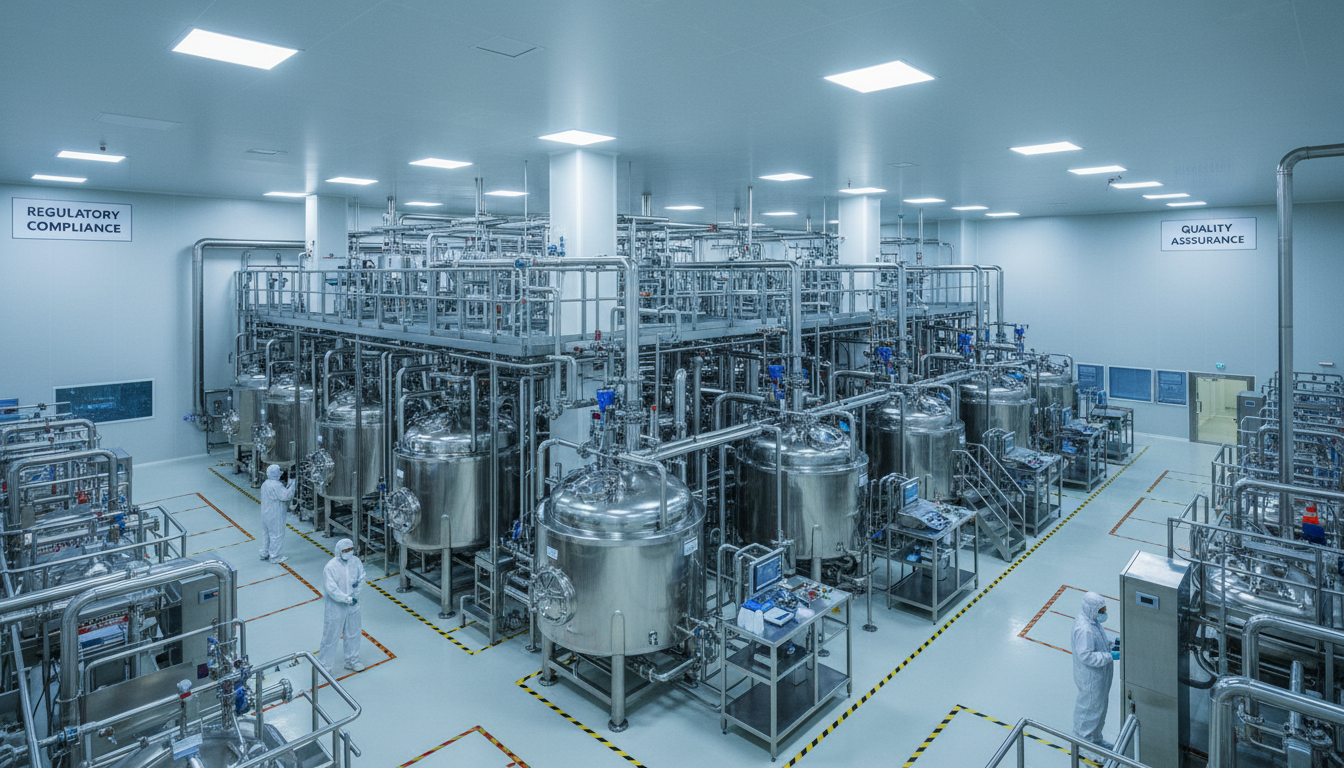
The plant invested in modern, energy-efficient pumps and filtration systems. This upgrade not only reduced breakdowns but also improved water recycling capabilities, leading to a more sustainable operation.
Advanced Monitoring Systems
Implementing real-time monitoring systems allowed the plant to track water usage and detect leaks promptly. This proactive approach enabled them to address issues before they escalated, thereby reducing wastage significantly.

Results Achieved
As a result of these initiatives, the pharmaceutical plant in Ahmedabad saw a remarkable transformation in their water infrastructure. Here are some of the key outcomes:
- Reduced water wastage by 30%, leading to substantial cost savings.
- Increased production efficiency due to fewer equipment breakdowns.
- Enhanced sustainability through improved water recycling methods.
Conclusion
This case study highlights the importance of optimizing water infrastructure in the pharmaceutical industry. By addressing inefficiencies and investing in modern technologies, the Ahmedabad plant not only improved their operational efficiency but also set a benchmark for sustainability in the sector.
The successful implementation of these strategies serves as a valuable example for other plants facing similar challenges, emphasizing that strategic upgrades and proactive management can lead to significant benefits both economically and environmentally.