PH and DO Meters in Water Treatment Systems


Introduction to pH and DO Meters
In the realm of water treatment, maintaining optimal water quality is essential for both environmental safety and operational efficiency. Two critical parameters that are closely monitored are pH and dissolved oxygen (DO). The use of pH and DO meters allows for accurate measurement and control of these parameters, ensuring that water treatment processes run smoothly.
Understanding how these meters work and their importance in water treatment systems is crucial for anyone involved in environmental management or related industries. This post aims to explore the basics of pH and DO meters, their functions, and their significance.
What is a pH Meter?
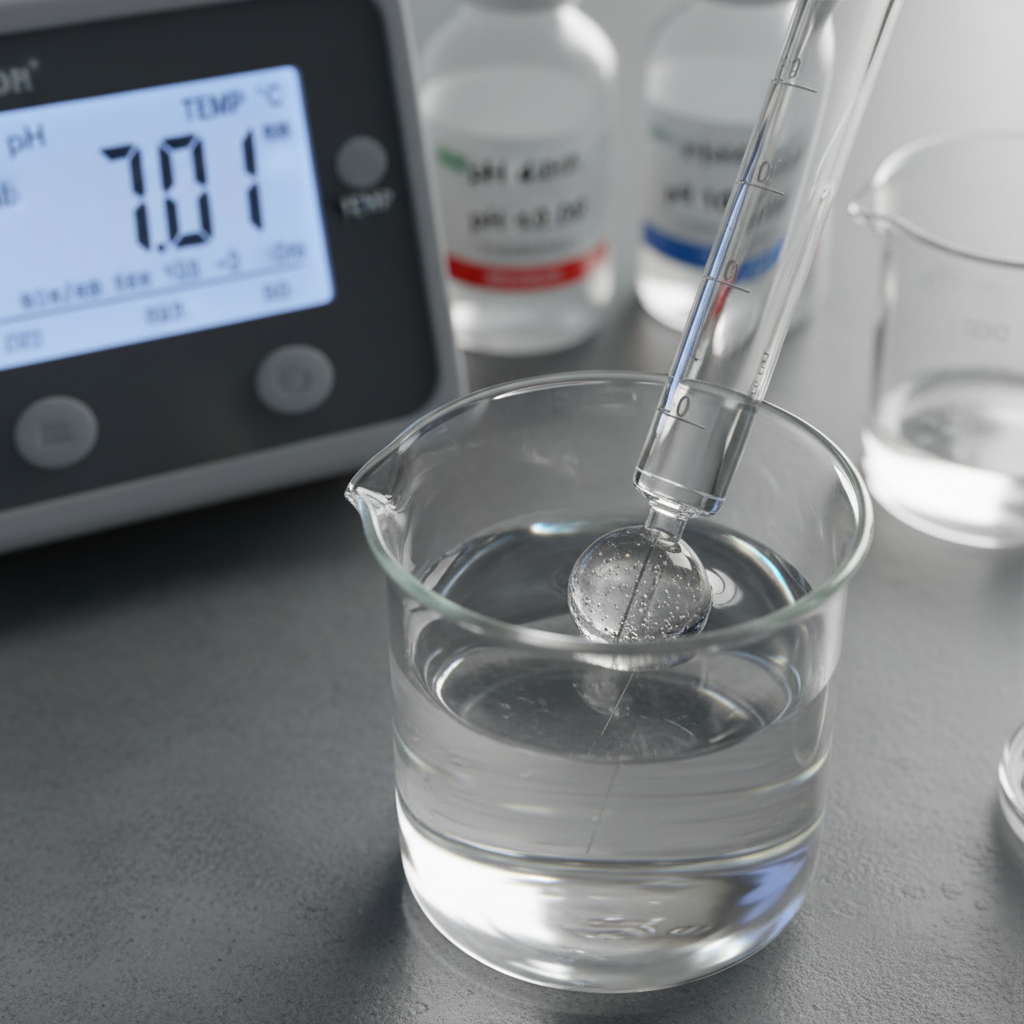
A pH meter is an electronic device used to measure the acidity or alkalinity of a solution. The pH scale ranges from 0 to 14, where 7 is neutral, values below 7 indicate acidity, and values above 7 indicate alkalinity. In water treatment, maintaining the correct pH level is vital because it influences chemical reactions, biological processes, and the solubility of metals and other compounds.
pH meters consist of a probe that measures hydrogen ion activity in the solution and a meter that displays the pH reading. These devices are essential for ensuring that the water's pH remains within the desired range, thus preventing corrosion, scaling, and other issues.
Types of pH Meters
There are various types of pH meters, including:
- Benchtop pH meters: Typically used in laboratories for high-precision measurements.
- Portable pH meters: Ideal for fieldwork and on-site measurements.
- In-line pH meters: Integrated into water treatment systems for continuous monitoring.
Understanding DO Meters
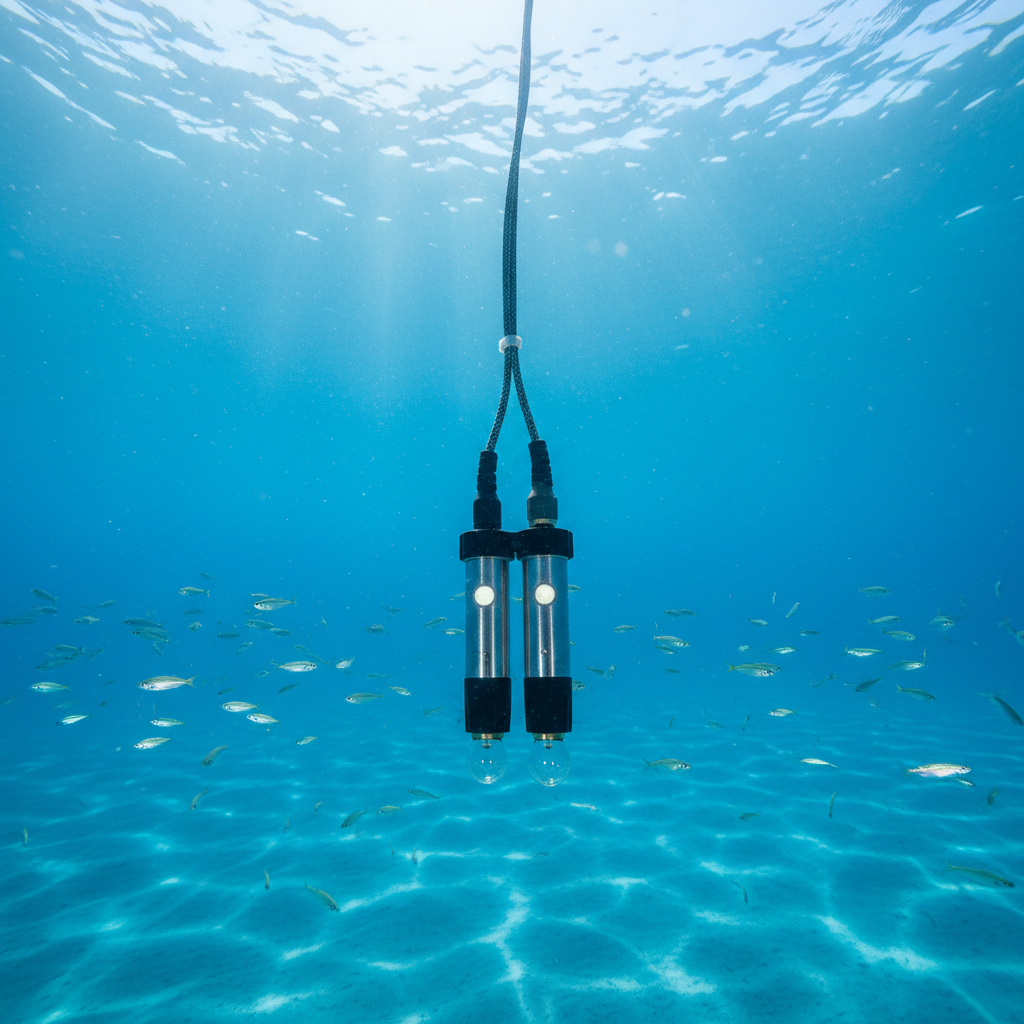
Dissolved oxygen (DO) meters measure the amount of oxygen dissolved in water. DO is a crucial parameter in water treatment because it affects aquatic life and the efficiency of processes such as biological wastewater treatment. High oxygen levels promote aerobic biological activity, which is essential for breaking down organic matter.
DO meters typically consist of a probe that is submerged in water. The probe measures the oxygen concentration and sends the data to a display unit. Understanding and maintaining adequate DO levels is key to ensuring healthy aquatic environments and effective water treatment.
Different Types of DO Meters
Similar to pH meters, DO meters come in various forms:
- Optical DO meters: Use luminescent technology for accurate readings.
- Electrochemical DO meters: Utilize electrodes to measure oxygen levels.
- Portable DO meters: Designed for field use and easy mobility.
The Importance of Accurate Measurements
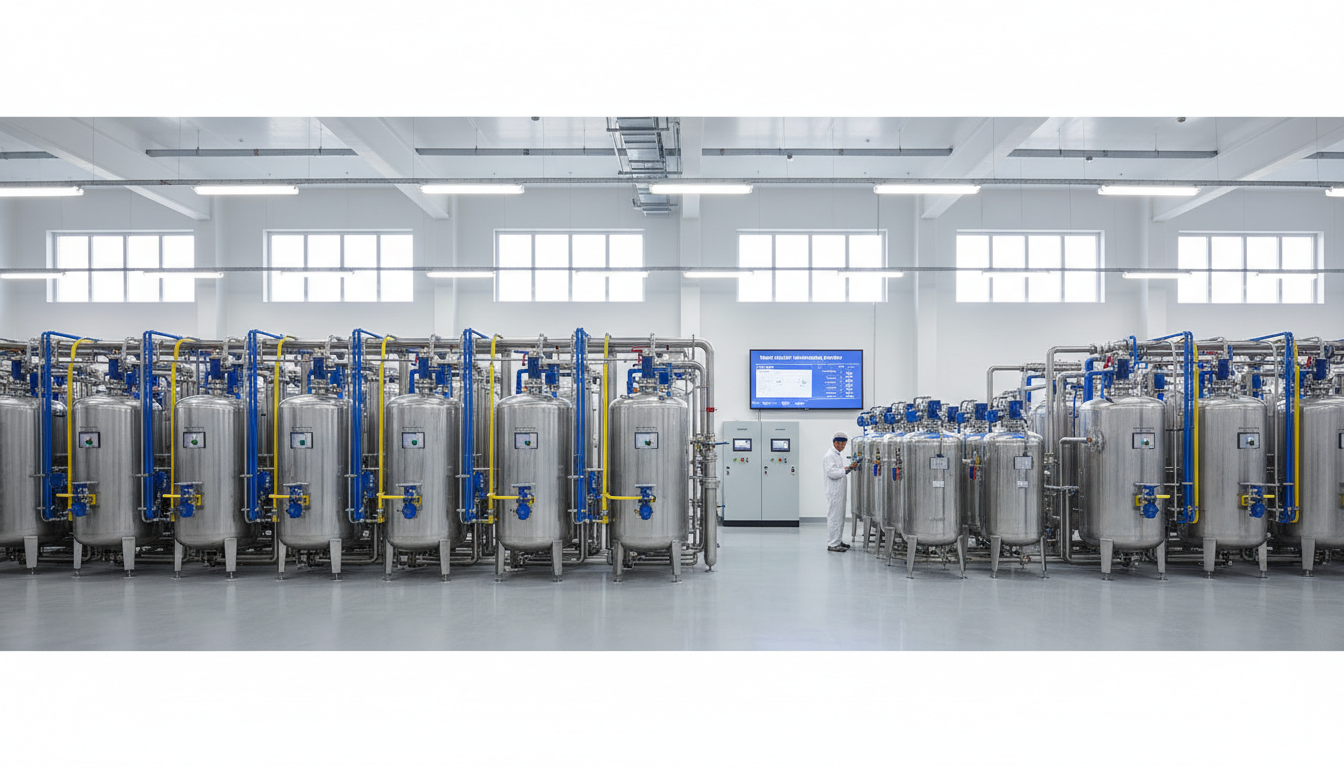
Accurate measurement of pH and DO is essential for optimizing water treatment processes. Ensuring that these parameters are within the desired range can prevent damage to infrastructure, improve the efficiency of chemical treatments, and maintain ecological balance in natural water bodies.
Regular calibration and maintenance of pH and DO meters are crucial for obtaining reliable data. Properly functioning meters provide the information needed to make informed decisions about water treatment processes, thus enhancing environmental safety and resource management.
Conclusion
pH and DO meters are indispensable tools in the field of water treatment. By providing precise measurements of critical water quality parameters, these devices help ensure that water treatment systems operate effectively and sustainably. Understanding their functions and maintaining them properly is essential for anyone involved in water quality management.
Whether you are a professional in the field or simply interested in environmental science, recognizing the role of pH and DO meters can deepen your understanding of water treatment and its impact on the environment.